Surging demand for the agave spirit is good news for the hospitality sector, but it risks disrupting a delicate supply dynamic, and exacerbating longstanding social and environmental challenges
If the term ‘meteoric rise’ can be applied to one spirits category in the last decade, it has to be tequila. Mexico’s national spirit has crossed continents to become one of the 21st century’s most recognisable distilled drinks on supermarket shelves and behind bars. Production has risen exponentially, demand from drinkers has soared and there have never been more brands of tequila on the market than in 2026.
The raw figures speak volumes about tequila’s growth. According to a Statista report, in 2023 31.6 million nine-litre cases were sold in the US compared to 8.7 million just under two decades earlier in 2004. IWSR reported that global tequila volumes grew at a CAGR of 7% between 2019 and 2025, with a projected CAGR of +2% by 2030. Emerging markets such as India, Colombia, Nigeria and Japan are opening up opportunities for growth outside of the US and Mexico itself, while the ultra-premium category is enjoying a surge too.
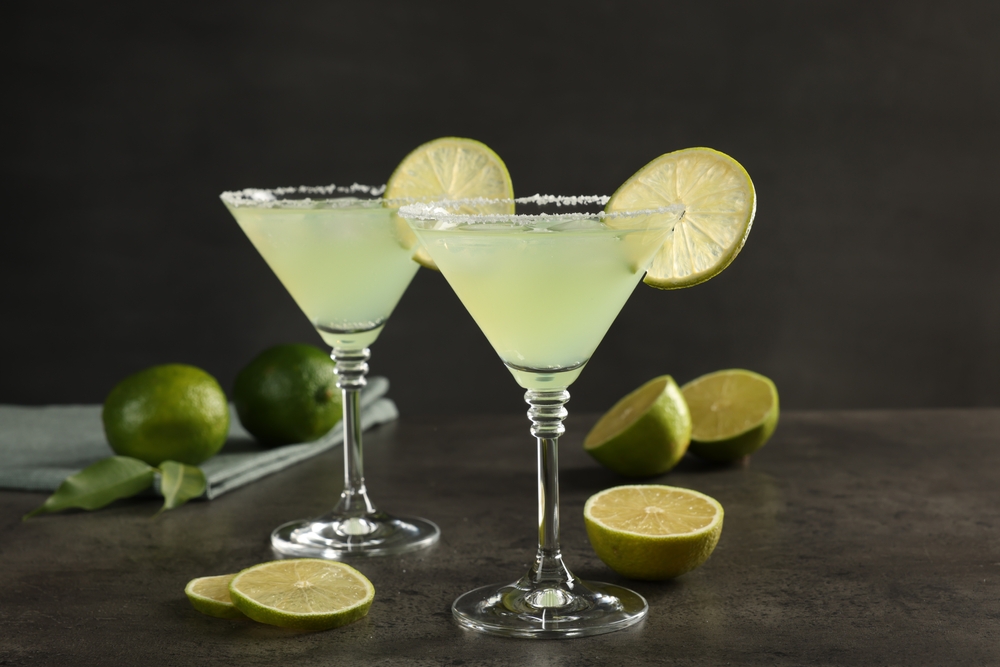
The UK on-trade has also sought to capitalise on the upward trajectory of the once-maligned agave spirit. NielsonIQ named the Margarita the best-selling cocktail of 2023 and tequila was officially, for the first time, named the best-selling spirit behind bars in 2026 in the CLASS Bar Report, knocking gin off its throne. The Spicy Margarita is hotting up too, outselling its classic counterpart according to a recent survey by Wilde Toast. It’s a huge success story for a spirit that only achieved its Protected Geographical Identification (PGI) status in the UK as recently as 2019.
But while the sun seems to be shining on tequila, there is a paradox at play. Surging demand has put a strain on supplies for a spirit produced from a plant that takes over five years to mature, can legally only be harvested from five different Mexican states and has an increasingly narrow genetic diversity – characteristics that have put the long-term sustainability of the industry at risk.
From field to bottle
Before delving deeper into the challenges facing tequila’s future, it’s worth understanding the requirements and processes behind producing the spirit which help explain both its commercial success and its inherent vulnerability.
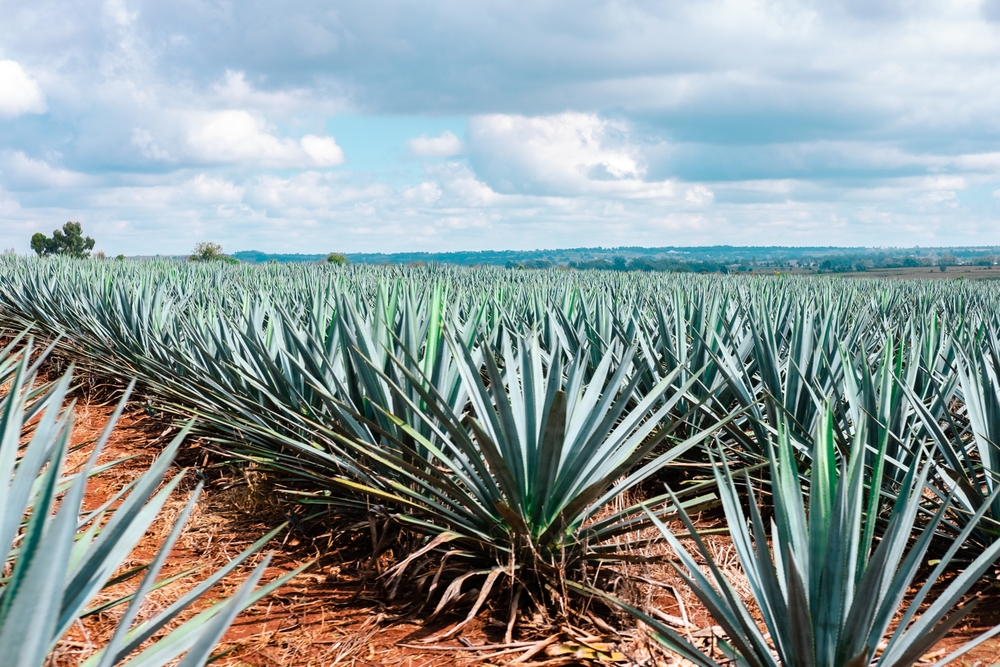
Since 1949, the Blue Weber agave has been the only species of agave allowed to be used in tequila’s production (of the over 200 classified agaves in existence). Tequila must legally be made using a minimum of 51% Blue Weber agave, with the other 49% permitted to be made from other sugar sources such as sugarbeet. Once the agave reaches the sugar (Brix) level required by each distillery to make their tequila, it is harvested by jimadores (farmers), trimmed of its blue spiky leaves and the remaining heart (pina) is transported to a distillery to begin the production process. The pinas are cooked either in steam ovens or autoclaves, crushed, and their juices are fermented before being distilled twice. Producers can use this now blanco tequila to bottle the spirit over different increments of time to produce joven, reposado, anejo and extra anejo tequilas.
Technically part of the Asparagaceae family, the Blue Weber agave was chosen for the production of tequila for a number of reasons beyond its versatile flavour potential. Being a monocarpic plant, it takes less time – five to seven years – than some other agaves to reach maturity, producing enough sugar at that age to be harvested for production. It’s also self-cloning, meaning farmers can cut pups (hijuelos) off a mother agave and plant a genetically identical copy in their fields for future tequila production. It can grow in both the highlands and lowlands of its permitted municipalities and takes on the qualities of its terroir all the way through the production process.


Weathering the storm
But those all important nuances can become tricky to navigate as demand and supply try to find, what has historically been, an elusive balance. When a plant takes five to seven (and sometimes more) years to mature (and factoring in ageing time), predicting what the market will – or won’t – want across a decade’s timespan requires a crystal ball. When that plant is also genetically stifled, future-proofing its health amid ever-changing consumer behaviour is a steep hill to climb.
While growing global demand for tequila is on paper a welcome development for the category, it comes with pressures and strains on an industry which is uniquely set up not just for success, but for failure too. While tequila is able to be made using just 51% of Blue Weber agave, there has been a sharp upward trend for 100% agave products meaning more agave needs to be grown to produce it.
Meanwhile, the US market (historically tequila’s strongest) has started to flat-line. Big tequila brands from the likes of Diageo and Proximo Spirits are reporting hefty losses, while more ‘craft’ or artisanal products are proving more resilient.
A shortage or surplus of supply can have devastating impacts on agave prices, tequila quality and the treatment of the agaves. When supply outstrips demand, prices for agaves and the amount of farmers selling them can swing pendulum-esque. For example, in the year 2000, costs were reported at 25 pesos per kilo for agaves with 15,000 agave farmers in business. In 2007, they cost three pesos and the number of farmers fell to 8,000. In 2024, there were 22,000 registered farmers.
These swings in cost and grower numbers can lead, in the downturn, to farmers burning or simply abandoning their fields, unable to afford to harvest their crop. Left to their own devices, pests and diseases can begin to run rife, threatening neighbouring fields and crops. Early harvest of agaves, meanwhile, can impact yield and quality, while also disrupting the natural growth cycle of the Blue Weber agave.
These issues are far from alien to the industry. Boom and bust cycles have plagued it before, most recently in the 1990s which saw not only underplanting have a knock-on effect to the supply of the spirit to a burgeoning market, but also the devastating impact of the Picudo de Agave disease, which wiped out a quarter of the already dwindling crop. By the middle of 2000, a third of tequila distilleries had ceased operating. Fast-forward to 2025 and a slowdown in demand has led to a 500 million litre tequila lake that needs drinking.
Sobering solutions
Amid the challenges, solutions are being worked on across the industry to help secure the future of the category.
Genetic diversity is a burning issue (scientists have found that hundreds of agaves are descendants of just two mother agaves). With the Blue Weber agave mostly being grown intensively in monocultures, and given the temptation towards excessive cloning, pollination – or a lack thereof – is becoming a major issue.
Bats could provide part of the solution. An avid pollinator of agave, nectar feeding bats are attracted to the flowers of the agave plant which open at night. When they feed on the nectar inside the flowers, their body and wings become covered in pollen and over long distances they can deposit the pollen on other agave plants. Problem solved? Not quite. For Blue Weber agaves to produce enough sugar to make tequila, their flowering stalk (quiote) is cut to concentrate energy into the pina. This is where The Bat Friendly Project comes in. In an effort to promote more diversity and protect tequila agaves from their numerous vulnerabilities, the project works with brands to allow a minimum of 5% of their crop to flower in order to attract and allow these bats to pollinate the Blue Weber agaves and expand their genetic diversity.
Brands such as Tequila Ocho, Casa Noble, 123 and Hermosa are also working to secure long-term sustainable supplies by using fair trade agreements to help build loyalty with farmers and ensure that the agaves they use are grown, nurtured and harvested in responsible ways. They do this by offering a stable price for their agaves to help stabilise supply, while making sure farmers are working in safe and sustainable conditions.
The likes of Don Julio, Altos Tequila and Mijenta – the first tequila brand to achieve B Corp status – also hold ARA (Agave Responsable Ambiental) certifications, something that was introduced by the CRT (Consejo Regulador del Tequila) alongside the Jalisco Government in 2021 to prove that agaves used in tequila production haven’t caused deforestation in order to be grown. The aim is to reduce deforestation by 100% by 2027.
Soil health is another area of focus for brands like Don Fulano and Don Julio, with farmers encouraged to rotate cover crops such as corn and beans in order to rejuvenate soils that have been drained of nutrition by monocultures and habitual use of chemical fertilisers and pesticides.
Industry leaders such as Ivan Saldano are also part of discussions over expanding the Denomination of Origin (DO) to allow agave to be grown outside the five current legal states – Jalisco, Michoacán, Nayarit, Guanajuato, and Tamaulipas – in order to promote greater biodiversity and security for the category.
In the mix
How the tequila industry responds to the demands of the on-trade will determine whether or not tequila maintains its newfound star status behind the bar. Research suggests sustainability is high on the list of qualities buyers and servers now look for. According to the Wilde Toast report, sustainability credentials are now 14 times more likely to drive a bartender’s tequila recommendation to a consumer than a celebrity ownership, while 56% of respondents said that sustainability is part of what they deem to make a ‘great tequila’, as is proof of farmer welfare.
Ultimately, however, the need to embed greater sustainability – from the farm right through the supply chain – is not about how tequila is marketed, it’s about ensuring this fashionable spirit can keep the good times rolling for years to come.