Concerns about the chemicals in plastic production, packaging, recycling and pollution rise to the surface as ‘final’ treaty talks begin. By David Burrows.
Paper (and glass) are considered the most sustainable packaging materials, according to a new survey of 1,000 European citizens by McKinsey. Which won’t really be a surprise to many readers given the focus on plastic pollution these past few years.
But there is another finding in the consultancy’s survey that will sate supporters of all single-use packaging: environmental impact remains one of the least important packaging characteristics for Europeans, and is in fact less important now than two years ago.
“[T]he proportion of consumers who ranked environmental impact as ‘extremely important’ or ‘very important’ fell from 45% to 42% in the United Kingdom and from 48% to 45% in Germany,” the authors wrote, adding: “Although these changes may appear modest, they reinforce the broader story that environmental impact continues to lag behind other packaging characteristics,” like food safety, shelf life, durability and ease of use.
This doesn’t mean they are not concerned – McKinsey found many people are; those images of turtles and straws and fish tied in plastic living long in the memory.
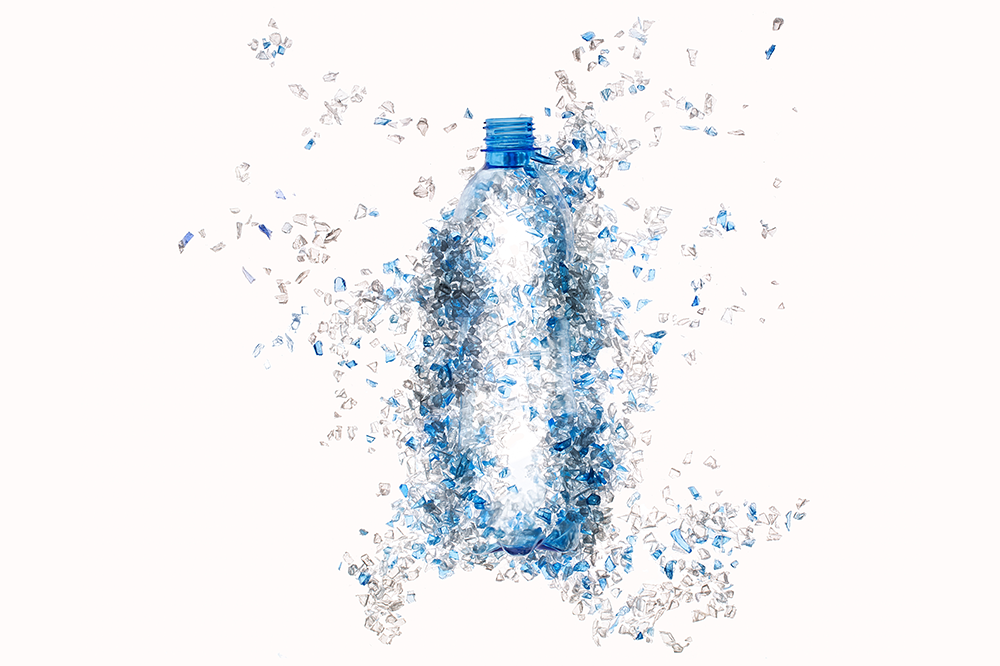
Strong as those images may be, it is perhaps the human health consequences of plastic production, use, recycling, management and pollution that campaigners are now really throwing their weight behind as we enter the final-final round of talks to thrash out a Global Plastics Treaty.
Indeed, the chemical element of these materials will be a high profile issue at INC 5.2 in Geneva, Switzerland. Plastic production lobbyists will be out in force, so too will scientists. “It is clear that business as usual is neither safe nor sustainable,” explained Richard Thompson from the University of Plymouth and part of the Scientists Coalition for an Effective Plastics Treaty, which has raised concerns that the treaty talks risk becoming “ineffective” if evidence is ignored. “We are also concerned about a deliberate misrepresentation of the scientific evidence to manufacture doubt and undermine measures on chemicals of concern and plastic production,” the coalition explained in a statement last week.
There is a lot of momentum to make plastics safer, according to Laura Monclús, from the Norwegian Geotechnical Institute in Trondheim. Monclús is the lead author of a study published in Nature last month that provides an overview of all chemicals that can be present in plastics and their properties, uses, and hazards.
The study identifies 16,325 chemicals associated with plastics (more than previously known). This includes additives, processing aids, starting substances, and non-intentionally added substances. As Jane Muncke from the Food Packaging Forum noted, around 4,200 of the chemicals are deemed to be ‘of concern’ due to their known intrinsic properties, which present human or environmental health hazards. “What is more, the team of researchers found that chemicals of concern can be present in and migrate from all major plastic types, including food packaging,” she added.
Tense times at the talks
So, will these warnings be heard and a robust treaty agreed? It is 50-50. The UK, which is among the countries pushing for an ambitious agreement, last month held a business roundtable to bring businesses in behind them. A statement released after the event, hosted by resources minister Emma Hardy and the EMF, reads:
“While we recognise the voluntary action already taken by business, including through innovation and collaboration with governments and the civil society, and we restate our commitment to continuing these efforts, we emphasise the importance of agreeing global legally-binding rules to facilitate the transition towards a circular economy for plastics and to end plastic pollution.”
This means “an ambitious treaty that addresses the full lifecycle of plastics, including primary plastic polymers, products made of or containing plastics and associated chemicals, and plastic pollution in all its dimensions”, agreed signatories including Coca-Cola, Nestlé, Waitrose and The Sustainable Restaurant Association.
Working on this treaty has been a “rollercoaster” noted Cristina Dixon, from the Environmental Investigation Agency and one of thousands of campaigners who have worked ceaselessly on this topic and the treaty for years, a few days ago. “I’ll be heading to Geneva with optimism that countries can stand firm against obstructionism and craft a treaty that works for generations to come, but it certainly won’t be easy.”
Indeed, lessons from the Paris Agreement on climate change show signing the treaty off is just the first hurdle.