Can tequila keep the party going?
Surging demand for the agave spirit is good news for the hospitality sector, but it risks disrupting a delicate supply dynamic, and exacerbating longstanding social and environmental challenges

No time to run for cover
A warning from insurance experts about the seismic impact of climate disruption has increased pressure on food businesses to get serious about resilience
Who’s really driving England’s food strategy?
Defra has confirmed it retains ownership of the Good Food Cycle, but questions persist over the industry’s willingness to wait for government leadership
Are cracks showing in egg sourcing policies?
A new salmonella scare linked to eggs consumed outside of the home has shone the spotlight on a foodservice sector struggling to balance cost and availability with safety and welfare
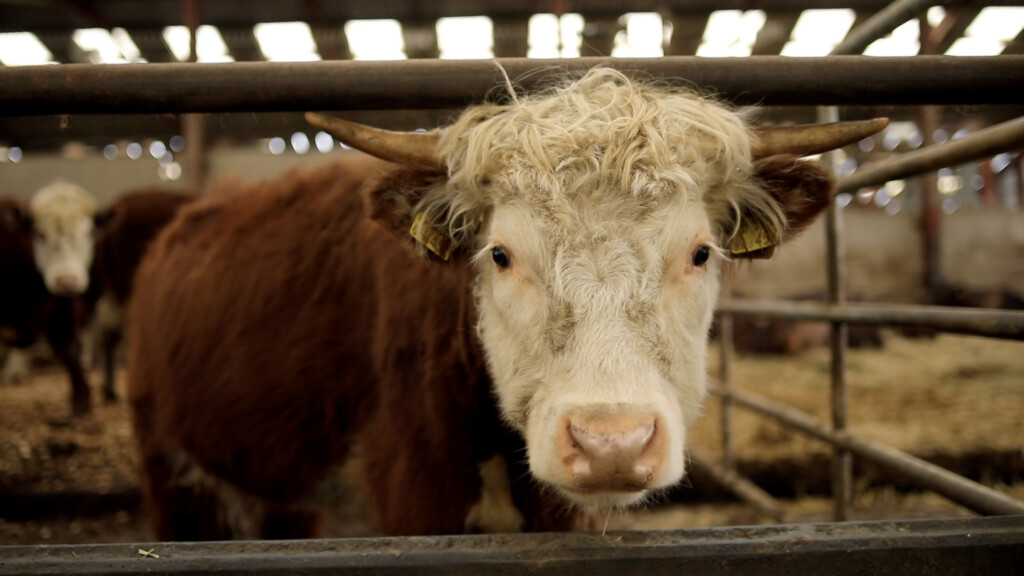
Coalition calls for urgent action to save abattoirs
A group including farmers, businesses and animal welfare groups is calling on the UK Government to step in and save small local abattoirs from going out of business
Foodservice key to organic growth plan
Defra has published a long-awaited ‘Organic action plan for England’, which sets a pathway for tripling organic farming over the next decade
UK complacent over food system threats
Growing disquiet over a lack of leadership from politicians and business leaders in addressing the vulnerabilities of the UK’s food system was summed up in two letters dispatched to Whitehall
Industry insiders return with stark food warning
Another summer of extreme weather, coupled with the threat posed by the approaching El Niño, has prompted a fresh warning by industry whistle-blowers over the UK food system’s vulnerability to such shocks
IGD seizes the initiative over food strategy
There has been confusion and concern expressed over the “next phase” of England’s national food strategy, as food policy experts lined up to question the increasing role of industry in developing the framework
Why fairer workplaces can help solve hospitality’s people problem
Lorraine Copes from Be Inclusive Hospitality explains why employees from ethnic minority backgrounds are still denied the same opportunities as their white counterparts – and what can be done about it

The story behind the whistle-blower warnings
Ana Cuddeford of Inside Track explains why a group of food industry insiders have issued a fresh warning about a lack of food resilience and what they hope to achieve
A blueprint for modern sustainability leadership
Emily Coon reveals the qualities a new generation of sustainability leaders will need to bring to the table to help build long-term resilience into the bones of businesses
Secrets for successful food waste reduction
Sodexo’s sustainability director, Claire Atkins-Morris, reveals the strategy that has led to a 50% reduction in food waste over the past decade and cost savings of £3.6m
What we’ll take away from Footprint Festival 2026
Footprint’s director of insights and special projects, Amy Fetzer, joins Nick to reflect on what they heard and saw over two compelling days at the inaugural Footprint Festival at Barnsgrove

The 10th Anniversary waste2zero awards, that recognise excellence in waste management and prevention in the out of home sector
Unilever the focus of new cage-free eggs campaign
Unilever has become the latest target for animal welfare campaigners after the Hellman’s owner quietly dropped a global pledge for cage-free eggs.
€111bn – alternative protein boost for the EU
Scaling plant-based foods, cultivated meat, and fermentation-made ingredients could deliver major economic gains for the EU, while improving food security and agricultural resilience.
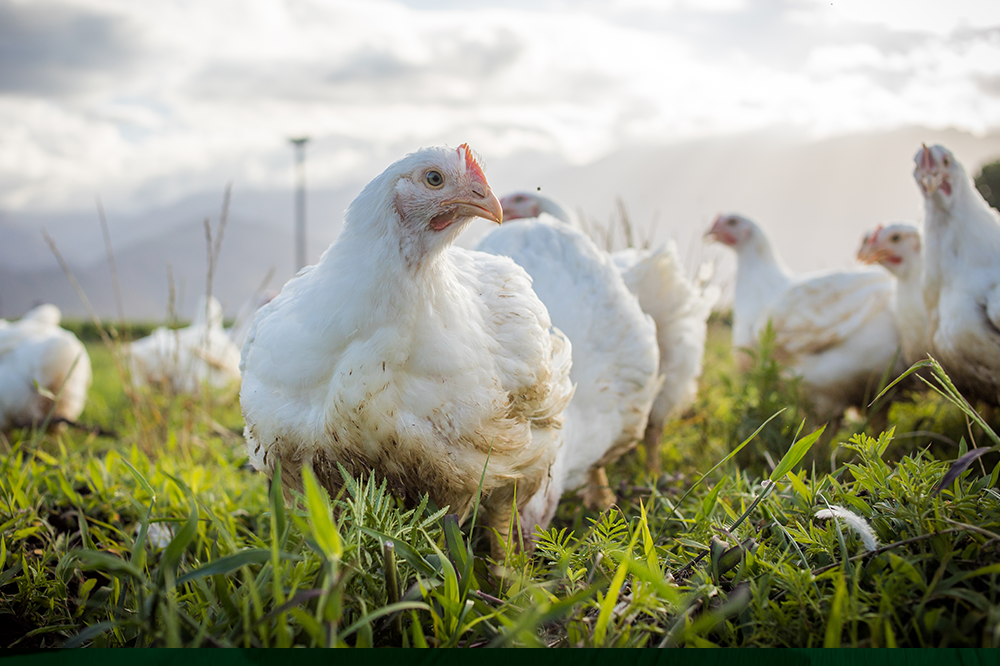
Eggs policy “betrays farmers”, says BEIG
The UK Government’s commitment to move towards cage-free systems for all laying hens is being undermined by its import policies, according to the British Egg Industry Council.
Consumers confused about ‘less meat’ message in sustainable diets
One of the most effective ways to reduce the environmental impact of diets, particularly greenhouse gas emissions, is to cut back on animal protein.
Sorry scores for coffee sustainability
Big coffee shop chains have performed poorly in the latest Ethical Consumer scorecard. Costa propped up the ethiscore table for coffee chains and brands.
SPONSORED BY







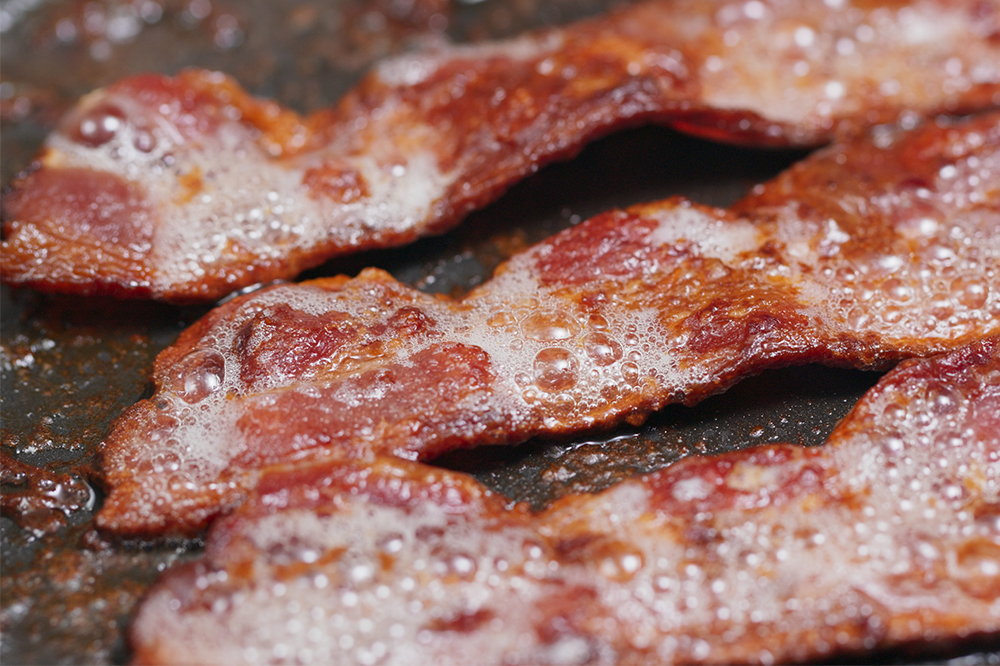
Is the future of ham and bacon nitrite-free?
The risk to health associated with eating nitrite-cured meats is starting to gain traction with the public
Growing Regenerative Agriculture: How businesses can help deliver impact at scale, in association with Nestlé Professional
This new report Growing Regenerative Agriculture: How businesses can help deliver impact at scale is the third in the series produced by Footprint Intelligence in association with Nestlé Professional.
The 2025 Footprint Sustainability Index, in association with Nestlé Professional, is available as a free download.
Drawing on insights generously shared by hospitality and foodservice leaders, consumer polling and wider industry analysis, this year’s Index also explores how AI may be poised to alter the out-of-home dynamic in unexpected ways. Its research found that 53% of UK adults…
Footprint Intelligence white paper: Deliver commercial advantage through sustainable water management in association with Waterscan
As global temperatures continue to rise and extreme weather events become more commonplace, access to cheap, plentiful water can no longer be taken for granted.
Data, decarbonisation and diet: how foodservice can benefit as a net-zero leader, in association with Foodsteps
To keep global warming to no more than 1.5°C we must reduce emissions by 43% by 2030 and reach net-zero by 2050.
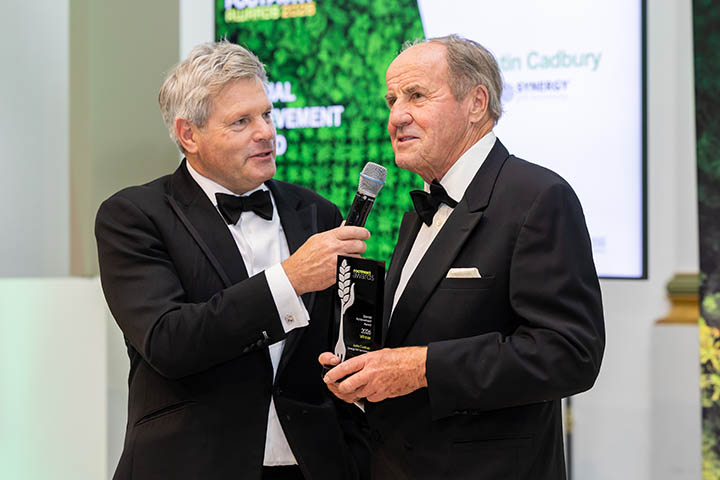
Footprint Awards Special Achievement winner:Justin Cadbury of Synergy Grill Technology
Greatness was written in the stars for the 2026 Footprint Awards Special Achievement winner, Justin Cadbury
Making Reuse Simple – Marston’s Leads the Way in Glass Reuse for Hospitality
The hospitality industry has long faced the challenge of packaging waste, with glass bottles representing a significant proportion of the sector’s environmental footprint.
Downton Distillery: Redefining Spirits Through Craft, Conservation and Circularity
What began as a small rural operation has become a respected example of how circular design and ecological restoration can underpin a drinks business.
All Bar One recognised as a sustainability leader in hospitality
With a mission to create a more inclusive and environmentally conscious experience for guests and teams alike, we have consistently pushed boundaries
NEMI Teas: Brewing Social Change
NEMI Teas is a London-based social enterprise and specialist tea company that has successfully integrated a robust social mission into a high-growth business model. The company offers a range of premium, Organic tea blends to the foodservice sectors across the…

A(nother) new era for food regulations
Businesses have been told to prepare for yet more legal changes in areas like labelling and novel foods under plans for UK-EU regulatory alignment

Footprint Legal webinar in association with DWF: implications of the UK-EU Common Understanding agreement
The latest webinar explores plans for the UK to align with EU Sanitary and Phytosanitary (SPS) legislation
Chop and change in deforestation laws creates confusion
The EU Deforestation Regulation, or EUDR, was designed to ensure that products placed on, and exported from, the EU market are no longer linked to deforestation or forest degradation
How to navigate a legal minefield in 2026
As 2026 gets into full swing it’s becoming ever more challenging to keep pace with a fast-changing global regulatory landscape
Will harmony break out over precautionary allergen labelling?
Global efforts to standardise the use of ‘may contain’ labels are gathering pace, however the UK continues to hold reservations.

Report, react and reduce
Data can help foodservice companies keep pace with reporting rules and deliver their 2030 reduction targets.

Educating Britain one label at a time
Eco-labels are bringing transparency to the climate and nature impact of our meal choices but more data is needed to understand the effect they have on behaviours.
Consistency as standard – the drive to define scope 3
Moves aimed at harmonising how food and drink businesses account for value chain emissions have the potential to unlock a range of benefits.
How data can help solve plant-based paradox
Plant-based meat alternatives are facing criticism due to their processed nature, but experts say greater transparency over their health and environmental impacts can help maintain faith in these foods. By David Burrows. We need to diversify the proteins we eat. In…
Calculating and cutting scope 3 emissions
In the second of a six-part series getting under the skin of environmental data, David Burrows looks at how foodservice and hospitality companies are beginning to deliver on their scope 3 targets. Ask any foodservice company where their biggest challenges…
Sustainability Bites in association with Nestlé Professional. Episode 8: Why the time is now for regenerative agriculture to go mainstream
Surging input costs and extreme weather have combined this year to strengthen the case for producing food in regenerative farming systems that build soil health and improve the water holding capacity of the land
Sustainability Bites in association with Nestlé Professional. Episode 7: How to demonstrate impact from regenerative agriculture
Explore how farmers and businesses along the supply chain can evidence impact for adoption of regenerative practices and confidently report it.
Sustainability Bites in association with Nestlé Professional. Episode 6: Can Artificial Intelligence turbocharge sustainability?
We explore the main potential applications for AI and delve into where AI is already being deployed and to what effect.
Sustainability Bites in association with Nestlé Professional. Episode 5: Scope 3: Measuring Industry Progress in association with Nestlé Professional
In this episode of Sustainability Bites we do a deep-dive into industry progress on all matters Scope 3. Scope 3 remains one of the sector’s biggest challenges
Sustainability Bites in association with Nestlé Professional. Episode 4: The future of talent in hospitality & foodservice
We analyse the UK regulatory environment, and we take a close look at key trends as well as short and long term solutions to one of the sector’s greatest challenges.
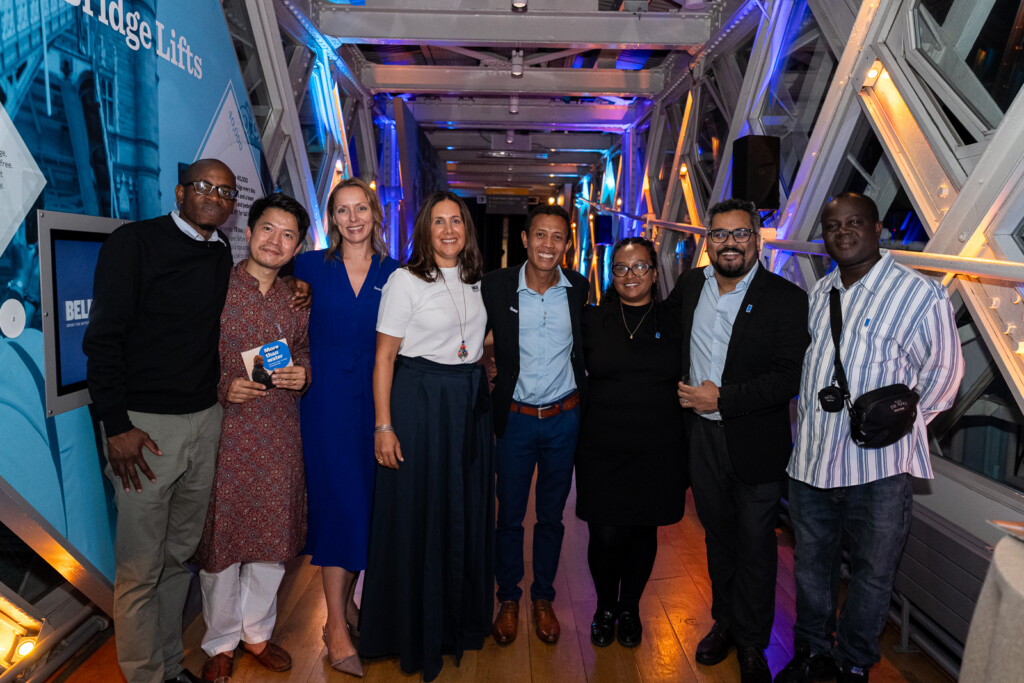
Belu celebrates 15 years of changing the way the world sees water
Social enterprise Belu approaches £12 million in revenue this year while giving 100% of its net profits to WaterAid