Organic food and drink are far less available to shoppers than conventional groceries, according to researchers at the University of Edinburgh, Scotland.
The team, led by the Division of Global Agriculture and Food Systems, examined the availability, price, and marketing practices associated with organic produce from stores in neighbourhoods in cities in the UK, India and Brazil.
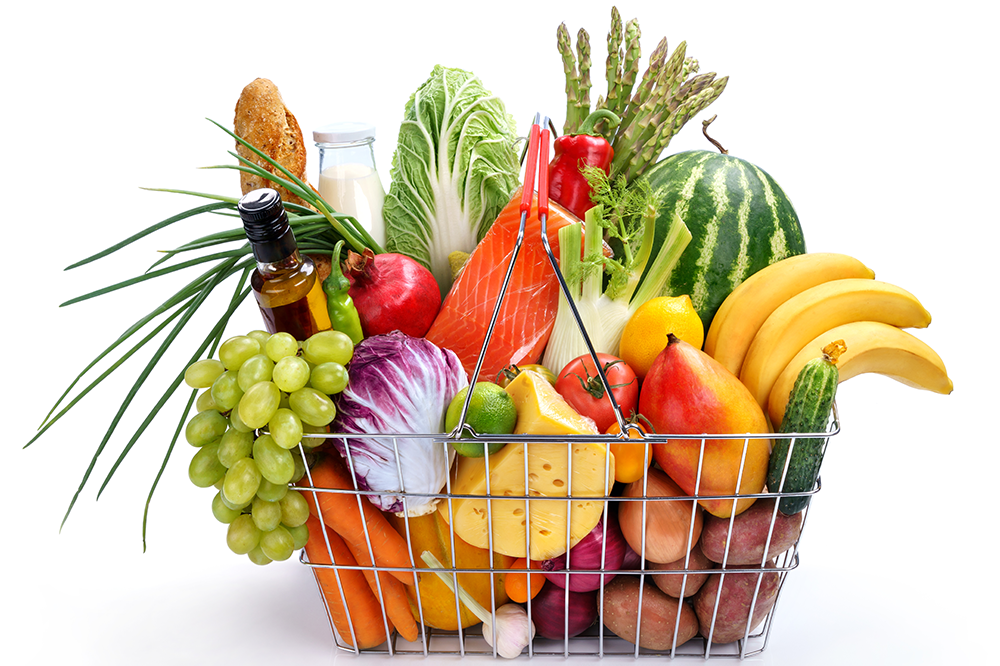
They made up a typical shopping basket of 14 everyday products and checked in hundreds of stores whether organic options were for sale, and how they were presented.
They found low availability of organic products overall, although it was relatively higher in the UK compared with Brazil and India.
Slightly more than one-third (37%) of more than 800 vendors surveyed sold an organic option of any of the items included in the shopping basket.
The team examined pricing by focusing on organic rice as a staple food, and found this was much more expensive – 1.8 to 2.5 times the price – compared with non-organic rice, even in lower-income neighbourhoods. Just 8% of organic products used a price promotion, suggesting that affordable organic options are still limited.
“Organic food and drink remains a niche market in spite of evidence pointing to its benefits for the environment, consumers and farmers,” said Alexandra Sadler, lead author of the paper published in Frontiers in Sustainable Food Systems.
Sadler said interventions to make organic food more widely available, with a price point and marketing initiatives that are acceptable to shoppers, could help to establish more sustainable food supplies in countries around the world.
Food security and resilience is front of mind following Defra’s report – National security assessment on global ecosystems – which showed how environmental degradation can disrupt food, water, health and supply chains, and trigger wider geopolitical instability.
The 14-page report – which was reportedly blocked from publication last year – highlighted that the world “is already experiencing impacts including crop failures, intensified natural disasters and infectious disease outbreaks. Threats will increase with degradation and intensify with collapse. Without major intervention to reverse the current trend, this is highly likely to continue to 2050 and beyond.”
Food is particularly exposed, of course: “Critical ecosystems that support major global food production areas and impact global climate, water and weather cycles are the most important for UK national security.”
As the authors (reportedly from the Joint Intelligence Committee, which oversees the security services) noted: “The UK is unable to be food self-sufficient at present, based on current diets and prices. Full self sufficiency would require very substantial price increases for consumers, as well as improvements in efficiency, waste reduction and resilience across the food system, including agricultural production, food processing, distribution and consumption.”
Organic is one option. Regenerative and agroecological production also offer potential. Whether food companies are as invested in these as their ESG reports suggest, is moot – there is considerable concern that the plethora of pilots are small scale and tinkering the edges of true transformation.
The UK Government has also resisted the temptation to back regenerative approaches. A June UK parliamentary report noted Defra’s reasoning for this comes down to “a lack of evidence in the UK context that regenerative agriculture will support the provision of public goods”. The report explained: “Some researchers, NGOs and governments raise concerns that the available evidence on RA [regenerative agriculture] is inadequate to inform policy. Others suggest policies or regulations would slow the positive momentum that RA has gained as a farmer-led social and cultural movement.”
In 2023-24, Defra spent around £800m on agri-environment schemes, but the results have been “mixed”, according to a Farmers Weekly report. Expectations have also expanded to cover soil and water protection, reduction of greenhouse gases and all the while boosting biodiversity.
The Soil Association last month called for Defra’s “long-awaited” update on the Sustainable Farming Incentive (SFI) to include backing for organic farming. Green groups also signed an open letter calling for 10% of farmland to go organic.
The kicker to the security report is: “The UK does not have enough land to feed its population and rear livestock: a wholesale change in consumer diets would be required. It would also require greater investment in the agri-food sector so that it is capable of innovating in sustainable food production.”
Our other stories this week cover the latest coffee scorecard, problems for UK egg producers and confusion over sustainable diets