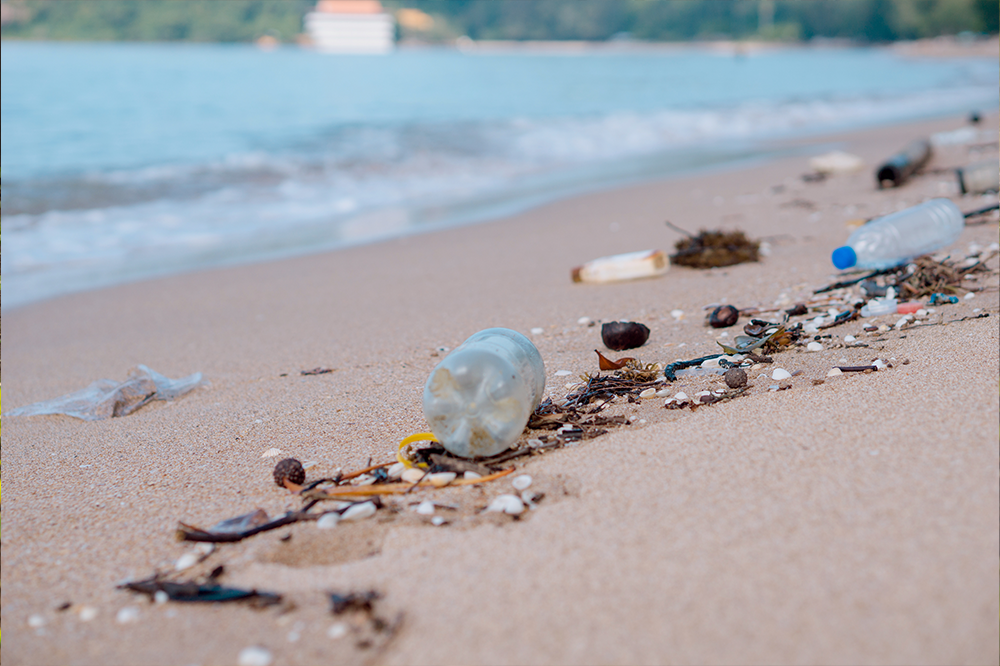
Concerns about the chemicals in plastic production, packaging, recycling and pollution have, slowly but surely, been rising to the surface (as Footprint reported on Wednesday). Now they have really boiled over.
A new report in The Lancet noted that plastic pollution has worsened, as experts warned that these materials are “a grave, growing, and under-recognised danger to human and planetary health”. They didn’t stop there: “Plastics cause disease and death from infancy to old age and are responsible for health-related economic losses exceeding $1.5 trillion annually.”
No pressure, then, on those currently gathered in Geneva to thrash out a global plastics treaty. Christina Dixon, who is in Switzerland with the Environmental Investigation Agency, admitted she has had her doubts, feeling “downtrodden” on what this treaty might look like. Still, she has been inspired to “fight to the bitter end” because as campaigners “we are always fighting as if there is a one per cent chance”, she told EIA’s What on Earth? podcast. And there is “more than a one per cent chance” of getting this treaty done, Dixon added.
Indeed, more than 100 countries currently back an ambitious agreement. The UK is one of them. The US is not, with Reuters revealing the country has just sent letters to “at least at least a handful of countries urging them to reject the goal of a global pact that includes limits on plastic production and plastic chemical additives”.
According to the memo, plastic production targets, or bans and restrictions on plastic additives or plastic products, are “impractical”, and will “increase the costs of all plastic products that are used throughout our daily lives”. The US and other plastic- and oil-producing behemoths are also uncomfortable about a treaty that addresses the full cycle of plastics. Campaigners will be left feeling empty if it doesn’t.
Deep divisions remain between those seeking an ambitious treaty and the oil-producing countries. Some campaigners also pointed to conflict within the US regarding the health risks of plastics – how do all those chemicals fit into the “Make America Healthy Again” agenda, they are wondering?
Deep Science Ventures’ latest report raises yet more concerns about the chemicals in packaging and creeping into our food and drink. For example, more than 3,600 synthetic chemicals from food contact materials are found within human bodies globally, while PFAS have “contaminated the entire world, with levels in rainwater often exceeding safe drinking water limits”. The authors also warned that the impact of pesticide use on cancer incidence “may rival that of smoking”.
The work, titled ‘The invisible Tsunami’, outlines the full spectrum of damages caused by toxic chemicals, highlighting the “outdated” regulatory frameworks and testing methods, as well as “insufficient” monitoring and a lack of investment in safer alternatives.
The assumption is that behind everything from food and the packaging it comes in to the shampoos in our showers and the furniture in our homes there is great knowledge and due diligence on the chemical safety side of things; but that “really isn’t the case”, Harry Macpherson, one of the authors, told The Guardian this week.
Posting on social media, Macpherson said the “real opportunity lies in modernising regulations, investing in R&D for safer chemicals, and increasing the knowledge and understanding of consumers”.
DSV’s report is covered in more detail in one of our other stories this week. We also look at Mars’ investment in research to develop hardier peanuts, and a consumer survey on fish farming that shows support for higher welfare standards (Later this month, we report more fully from the tenth Oxford Animal Ethics Summer School where the scale of aquaculture and the loose legal protections for the animals being reared shocked those attending).