
M&S’s new health trends report contains few surprises but is instructive in showing where mainstream food businesses are focusing their product innovation
Welcome to the start of January, the period when your morning paper or TikTok feed is packed full of health tips for the year ahead.
Big food brands have long since jumped on this particular bandwagon, seizing the opportunity to promote new products and ranges under the guise of providing communal market insight.
Step forward M&S, which was fast out of the blocks this week with its ‘2026 Health Trends’ report highlighting five food health trends to watch in 2026. The trends – fibremaxxing, biohacking, protein for all, gut health and minimal ingredients – are all conveniently aligned with new or extended M&S ranges. But despite the self-serving nature of such reports, their conclusions serve as a pointer for where the mainstream market is directing its investment in healthy food and drink.
M&S’s launch of a new Nutrient Density range, spanning several of these trends, feels especially instructive. To-date, references to nutrient density have largely been confined to academic journals, conference halls and niche discussions on social media. That M&S believes the concept, which distinguishes foods based on their micronutrient content, has public resonance feels highly significant for the wider retail and out of home sectors.
So what about M&S’s five to follow?
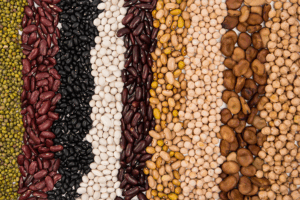
Let’s start with fibremaxxing which is about “strategically maximising the fibre in your meals”, according to the report. This might involve swapping white rice for brown rice, adding chia seeds to your lunchtime salad, or bulking out a stew with lentils or beans. Fibre plays a key role in good digestion and gut health, and has been linked with lower risk of serious health conditions like heart disease, stroke, type 2 diabetes and colorectal cancer. Currently we don’t eat anywhere near enough of it. Government data shows just 4% of adults and 4% of 11-18 year olds meet the target to consume at least 30g and 25g per day respectively. Maxxing out on fibre is unequivocally a good thing for our collective health and, as Footprint highlighted in a recent article, businesses within the foodservice and hospitality sector are already taking note by targeting fibre within their product innovation.
Protein, by contrast, is a more nuanced case. Protein has arguably been the defining healthy eating trend of the past decade yet there is a strong case that collectively we need to eat less of it rather than more – data from the British Nutrition Foundation shows UK adults eat on average 50% more protein than is recommended by dietary guidelines. M&S suggests its ‘protein for all’ mantra recognises that protein isn’t just for rugby players and fitness fanatics but plays an important role in maintaining muscle mass, particularly among older people. Fair enough. But whether messages around inclusivity and sufficiency will drown out the noise around maxxing out protein content and consumption remains to be seen.
Biohacking is the catch-all term for easy dietary changes to improve your health and wellbeing. In practice, this might involve drinking a vitamin-enriched protein shake or eating foods featuring trendy ingredients like collagen or sea moss.
Gut health isn’t exactly a new trend but it isn’t going away, according to M&S. The science around human gut health is rapidly evolving with a growing body of evidence suggesting the health and diversity of our gut microbiome influences everything from our skin, brain and even our mood. This helps explain the rapid growth in fermented foods and drinks like kefir and kombucha that contain beneficial bacteria.
Finally, the minimal ingredients trend is linked to the growing backlash against ultra-processed foods. M&S suggests people are increasingly looking for clean labels free from ingredients they wouldn’t recognise from their own store cupboard or fridge. By pure coincidence, the retailer continues to add new products to its Only…Ingredients range of clean label products.
Setting cynicism aside, one thing we can guarantee is that the ongoing debate over ultra-processed foods and how they should be regulated is set to remain a key point of contention throughout 2026 and beyond.