Leading food businesses like McDonald’s and Burger King should stop working with suppliers that have abandoned their commitment to the Amazon Soy Moratorium (ASM), campaigners have urged.
Last week, the Brazilian Association of Vegetable Oil Industries (Abiove), which represents major soy traders like Cargill, Bunge and ADM, confirmed its intention to quit the moratorium. The decision is linked to the removal of tax breaks for companies adhering to the ASM in the Brazilian state of Mato Grosso, a major soy-producing region.
The ASM requires signatories to cease purchasing soy from suppliers who contribute to deforestation and has been successful in decoupling deforestation from soy production in the Amazon since its inception in 2006.
The moratorium is estimated to have prevented the conversion of at least 1.8 million hectares of forest in its first 10 years. Despite this, the area under soy cultivation in the Amazon increased from approximately 1.6 million to 4.7 million hectares between 2006 and 2019 by focusing expansion on degraded land rather than intact ecosystems.
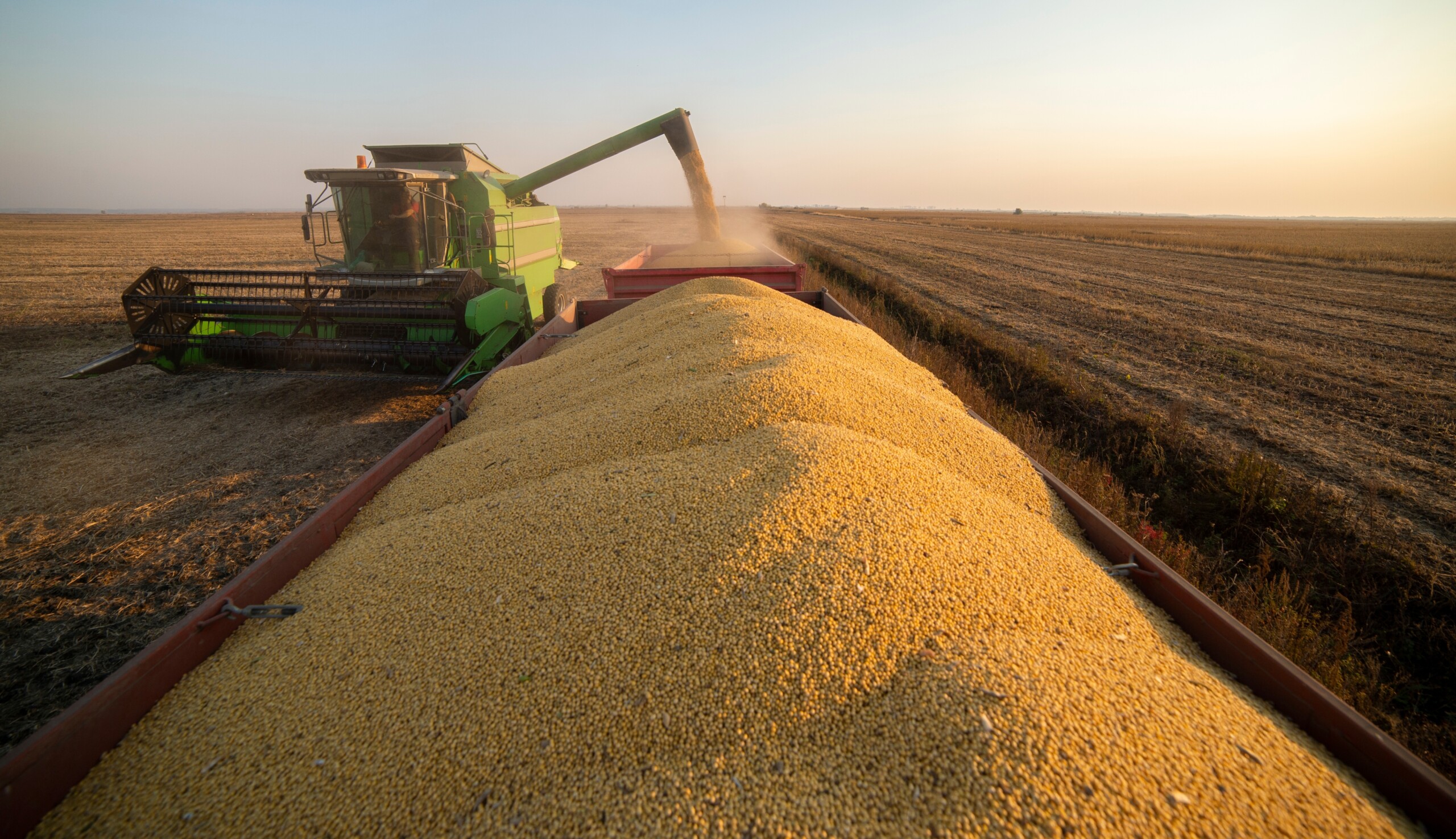
Soy from Brazil is often processed into animal feed making it a key commodity within the supply chains of major retailers and foodservice brands who sell meat and dairy products. Campaign group Mighty Earth has called on these businesses to cut ties with suppliers that choose to abandon the ASM. “The Soy Moratorium has underpinned many of Brazil’s anti-deforestation successes. If the CEOs of McDonald’s, Ahold Delhaize and Burger King want their legacy to be something other than capitulation to the destroyers of nature, they need to actually do something,” said Glenn Hurowitz, CEO of Mighty Earth.
Mighty Earth said the impact of the ASM collapsing would drive more deforestation, unlocking over a million hectares of rainforest for soy plantations and fuelling climate pollution.
The UK Soy Manifesto, whose members are committed to ending soy-linked deforestation and conversion, said it was “deeply concerned” over the withdrawal of Abiove and its members from the ASM, The Grocer reported.
In July 2025, manifesto signatories including Greggs, KFC and Cranswick, reaffirmed their “strong support” for the ASM and its “essential role” in preventing soy-driven deforestation in the Brazilian Amazon. “For UK and global companies, the disruption of responsible supply chains would have a far-reaching impact. It would affect soy traders, processors, feed producers, and companies across the food and consumer goods sector,” an open letter read.
In spite of industry commitments, there remains a lack of transparency around the sustainability of soy sourced from countries like Brazil. The latest data from WWF for 2024 shows that the volume of soy sourced from high-risk regions, including South America, that can be physically certified as deforestation- and conversion-free remains at an average of just 2% among the ten leading UK supermarkets.