
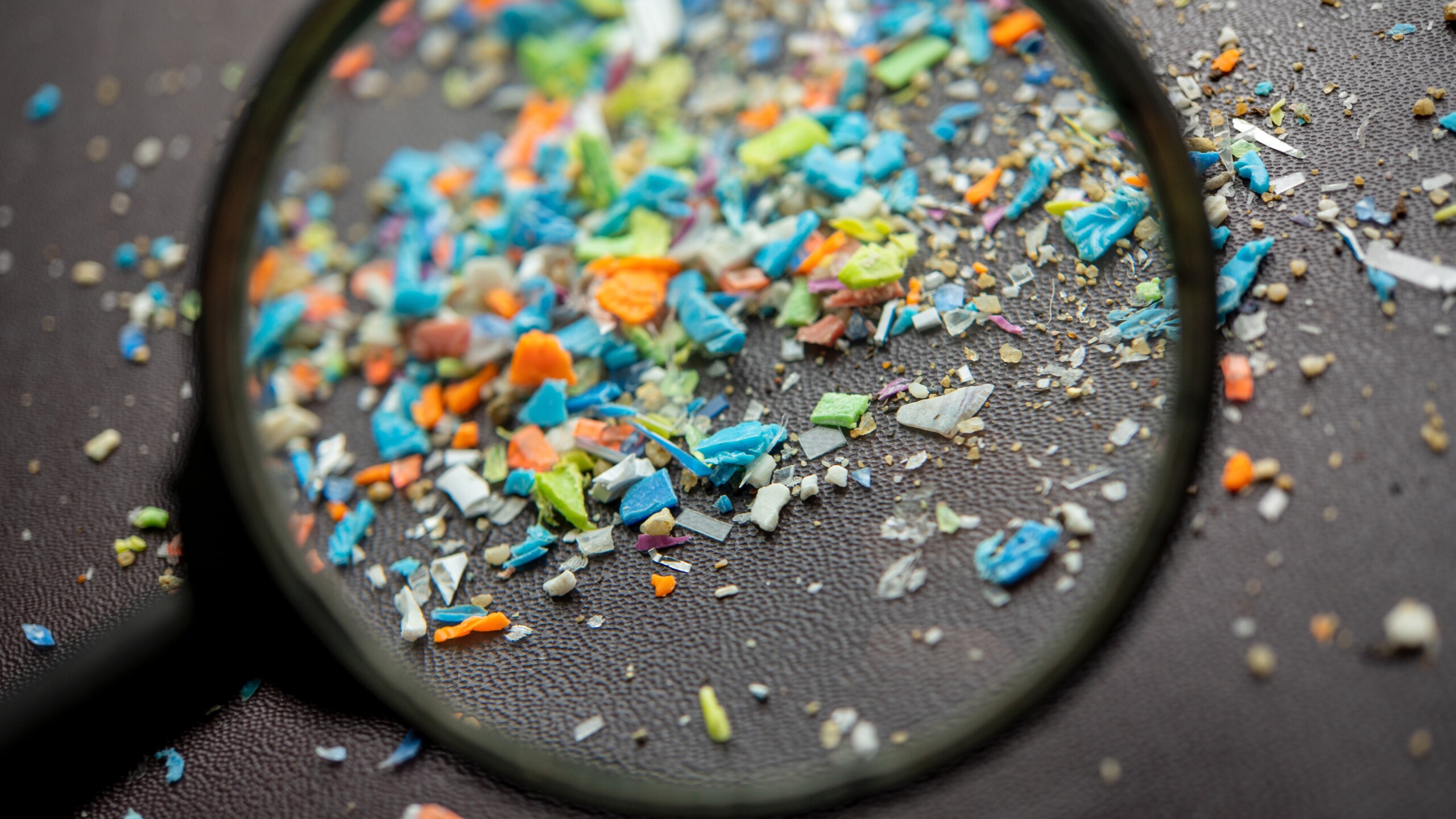
Doubts have been raised over the credibility of studies that have found high volumes of microplastics throughout the human body.
An investigation by The Guardian identified a number of studies whose findings scientists believe could be the result of contamination and false positives.
Studies claiming to have revealed micro and nanoplastics in the brain, testes, placentas, arteries and elsewhere have been reported by media across the world in recent years. However, researchers told the paper of their concern that the race to publish results, in some cases by groups with limited analytical expertise, has led to rushed results and routine scientific checks sometimes being overlooked.
There is no suggestion of malpractice on the part of study authors and no doubting the ubiquity of plastic pollution in the natural world, including in the food and drink we consume and the air we breathe. But the paper noted how micro- and nanoplastic particles are tiny and at the limit of today’s analytical techniques, especially in human tissue.
The Guardian has identified seven studies that have been challenged by researchers publishing criticism in the respective journals, while a recent analysis listed 18 studies that it said had not considered how some human tissue can produce measurements easily confused with the signal given by common plastics.
Faulty evidence on the level of microplastics in humans could lead to misguided regulations and policies, which is dangerous, researchers said.
Study authors approached by The Guardian defended their findings although they agreed that the field of research is immature.
One of those interviewed by The Guardian, Professor Marja Lamoree of Vrije Universiteit Amsterdam, said she could not say how concerned people should be about micro and nanoplastics in their bodies but recommended taking precautions like using less plastic materials and ventilating their houses.