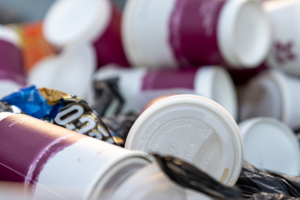

Efforts to curb plastic pollution were left in tatters earlier this month after talks on a global plastics treaty collapsed without agreement.
There were high hopes a deal could be struck at the latest session of UN-led talks (INC 5.2) in Geneva after a strong ‘coalition of the willing’ emerged from discussions at the end of last year. In the event however, talks between delegates from 183 countries ended without consensus on a legally binding global treaty to end plastic pollution that addresses the full lifecycle of plastics from design to disposal.
The process requires that each nation must agree to any proposals contained in the treaty. Consensus could not be reached on several key issues, such as whether the treaty should impose caps on new plastic production or put its focus on waste management, reuse and improved design.
Talks are expected to resume at some point in the future but with no date currently set. Around 100 countries want to limit plastics production and many also want to address toxic chemicals used to make plastics, however key oil-producing nations like Saudi Arabia, Kuwait and the US have consistently opposed such measures.
Campaigners said the failure of the latest round of talks meant those seeking an ambitious agreement would need to look at other ways to drive progress, with WWF calling on countries to move away from the “consensus-at-all-costs” mindset. “After almost two weeks of tense negotiations, we are no closer to agreeing a global treaty to end plastic pollution,” said Efraim Gomez, WWFs global director of global policy impact. “While countries held strong and resisted the pressure to agree to a weak, meaningless treaty, it is now up to Member States to explain and demonstrate how continuing forward on the INC pathway can be effective in addressing the urgent global plastic pollution crisis causing harm to people and nature around the world.”
Sticking with packaging, another source of division in the policy world is over a UK-wide deposit return scheme (DRS) for drinks containers. After years of false starts, England, Scotland and Northern Ireland have finally aligned on a scheme that from October 1st 2027 will see customers pay a refundable deposit for single-use drinks containers made from aluminium or steel, or polyethylene terephthalate (PET) plastic. Wales, however, continues to plough its own furrow. This week, the Welsh Government launched a new consultation in which it confirmed its intention to include glass in the scheme, unlike the rest of the UK. Reusable containers will also be included in the Welsh scheme with the government saying “a reuse-focused DRS will reduce the number of raw materials needed to make packaging, encourage people to use products more sustainably, reduce litter and save energy”
Although some elements of the scheme are aligned with the rest of the UK such as the go-live date of October 2027 and the size of containers in-scope, Wales’s divergence on glass in particular has caused consternation among some business groups. “By deviating from the rest of the UK, the Welsh Government risks introducing regulatory chaos and greater costs for Welsh consumers,” said Miles Beale, chief executive of the Wine and Spirit Trade Association. “These plans will create complexities for supply chains, potentially leading to increased costs and reduced consumer choice as producers and the supply chain are forced to navigate a unique system in one part of the UK.”
Look out for the next edition of Footprint’s The Package for further analysis and reaction.
Elsewhere in this week’s Footprint news: