Food and drink companies have become fixated on keeping their promises on plastic packaging, and that’s blinkering them from bigger problems (and better solutions). By David Burrows.
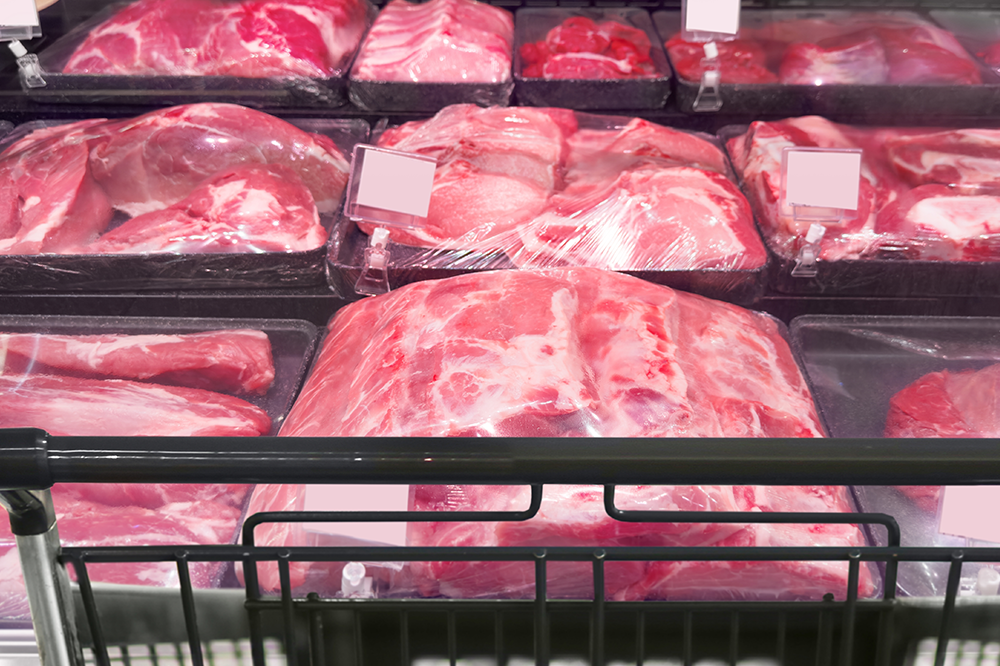
Hold onto your hats. Sainsbury’s has cut 700 tonnes of plastic from its supply chain. How? It has switched from plastic trays for meat and fish to trays made of pulp. The likes of The Grocer, edie.net, Packaging Gateway, New Food and Business Green all ran the story. Sainsbury’s PR team will have been delighted.
Excuse me. So, what assessment has the supermarket made of the environmental implications (and unintended consequences) of such a switch. After three days came this reply: “We can’t confirm carbon impacts as of yet as we’re working to reduce plastic waste.”
Lose-lose. I am not saying which material might ‘win’ in this case because ‘it depends’ (if it were straightforward we’d have nothing to write about for our regular Plastics Package column). A McKinsey analysis of more than a dozen papers the consultancy has published on the topic in recent years often comes to mind when people ask, which material wins? “Across this body of work, we have sought to convey a consistent message: no single packaging substrate (for example, plastic, glass, metal, or paper) is an absolute leader across every attribute of packaging sustainability, and all substrates have both positive and negative attributes that vary by sustainability dimension, application, and region.”
Pulp non-fiction. If there is no impact on shelf life, the pulp does the same job as the plastic, and the weights are similar then the carbon footprints may well be analogous. But for there to be no consideration of the wider impacts of such a change appears short-sighted (in an advert about this that made any environmental claims, surely the regulators would want to see life cycle assessments wouldn’t they?).
Hitting a target. The move smacks of a company desperately trying to hit a target – to cut plastic tonnages by 50% by 2025 – that was perhaps made with little scientific scrutiny at the height of the Blue Planet kickback. Other food and drink companies made commitments too. NGOs pushed them down that path, as have voluntary commitments and regulations.
Plastic priority. Tetra Pak research published in April showed three out of the top five commitments made by food and beverage business leaders to address sustainability challenges (still) include the reduction of plastic usage. “The food and beverage industry is at a critical moment, rethinking its way of doing business to help address the climate emergency and dealing with the inevitable impact this has on their operations and solutions,” said Gilles Tisserand, vice president climate and biodiversity at Tetra Pak.
Treaty heat. The fact is that single-use plastic needs to be reduced, and GHG emissions also need to fall. Towards the end of this year there is the COP29 climate talks in Azerbaijan when corporate commitments – and more importantly carbon reductions – will be judged. There are also the final (?) negotiations (so-called INC-5) on the legally binding agreement on plastic pollution (aka the global plastics treaty) in South Korea. Progress on plastic will be in the spotlight.
Unilever. Consider for example the flak Unilever got when it shifted the goals on its plastic packaging ambitions early this year. Or the countless studies pointing the finger at major food and drink brands for the plastic pollution found in rivers, oceans and on beaches. The first line of one of the most recent, published in the journal Science Advances, is telling: “Brand names can be used to hold plastic companies accountable for their items found polluting the environment.”
Corporate concern. There is no escaping bad headlines if your packaging continues to escape into the environment. And I’d hazard a guess that corporates are more concerned about the fallout if they miss their plastic targets than if they fall short on carbon reduction commitments (not least because most companies are falling short on the latter). And this could create problems, because sometimes plastic is the least worst single-use option (consider the wine brands switching to PET from glass, for example).
Single-use solution. There is another solution that has been lost in the noise around plastic reduction. Reuse. NGOs have started to realise this but have so far failed to grab the mainstream media’s attention because plastic stories (still) sell. And that is bad news for climate action.