This week’s numbers span net-zero, water, AI and farms.
Six. EIT Food has highlighted six trends to watch this year, including: supply-chain traceability – an entry requirement to trade; regenerative farming and climate resilience move into focus; AI farming and “field intelligence” tools roll out; side streams become serious revenue not just CSR; protein diversification – less hype and more integration; interest in health, ultra processed foods and “affordable better” increases.
10,000. SBTi has announced that there are now 10,000 companies with verified climate targets globally, collectively representing 40% of global market capitalisation.
1,184. In the UK, there is no formal definition of a ‘megafarm’ (otherwise known as a Concentrated Animal Feeding Operation (CAFO). In the US, the largest livestock units are classified as CAFOs if they confine 125,000 or more meat chickens, 55,000 turkeys, 82,000 egg laying birds or 2500 pigs. Analysis of individual factory farm permits in the UK, reported by Wicked Leeks, showed that, as of 2024, there were 1,184 pig and poultry farms large enough to be classified as US-style “megafarms” in operation across the country. The biggest individual poultry units in England – including at sites in Lincolnshire, Herefordshire, Shropshire, Norfolk and Kent, amongst others – were found to confine between 790,000 and nearly 1.5 million birds. The biggest English pig farms, distributed across Yorkshire, Oxfordshire, Norfolk, Derbyshire and elsewhere, housed between 10,000 and 22,000 animals.
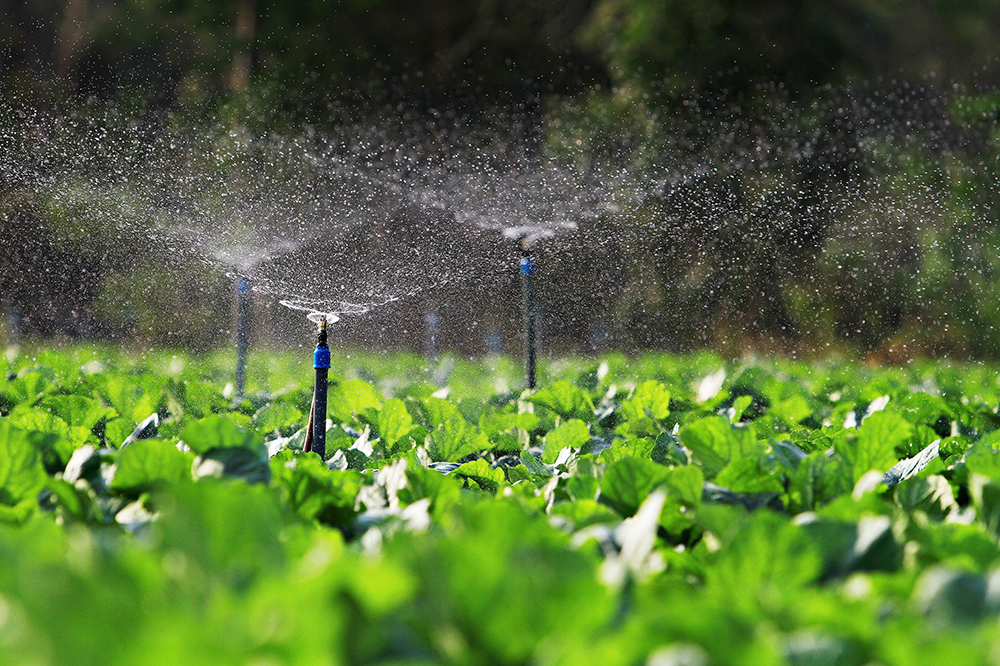
$307bn. The world has moved beyond a water crisis and into a state of global “water bankruptcy”, according to a new UN report. Around four billion people experience severe water scarcity for at least one month each year, while drought impacts cost an estimated $307 billion annually. The burdens fall disproportionately on smallholder farmers, Indigenous Peoples, low-income urban residents and women and youth, while the benefits of overuse often accrued to more powerful actors.