Could the unsavoury stories of supermarket plastic collections make consumers cautious about a mandatory takeback scheme for single-use cups? By David Burrows.
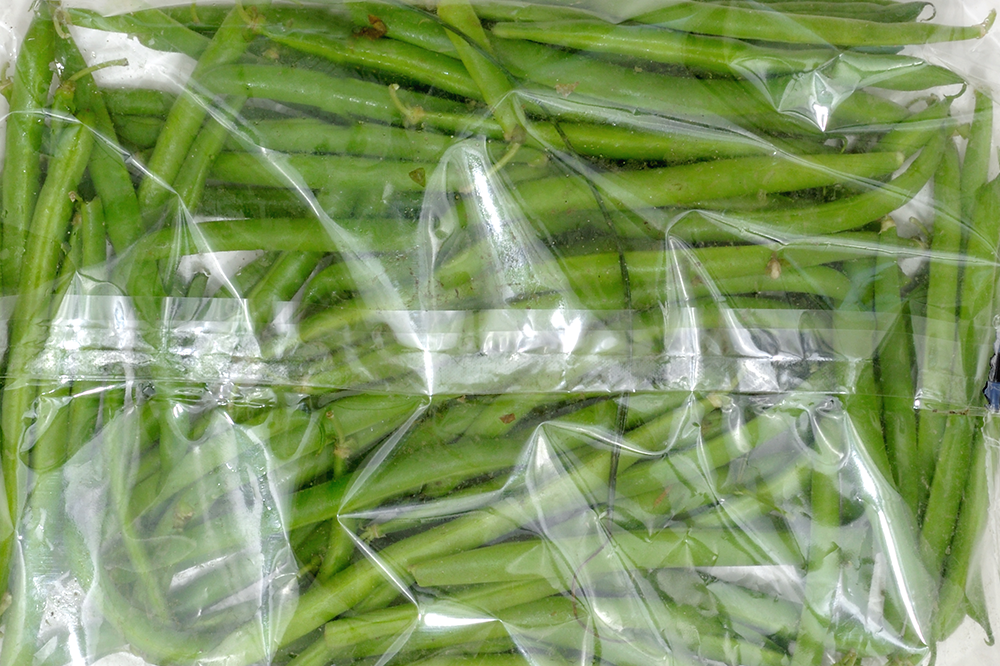
An investigation has found soft plastic packaging collected by Sainsbury’s and Tesco is not being recycled. Instead, 70% of the packaging that had been diligently separated and hauled to supermarkets by willing citizens was incinerated; the rest was downcycled into lower value products such as bin bags and carrier bags (mostly carried out in Turkey). None of it appears to have been recycled back into new food packaging.
The findings, published by Everyday Plastic, a community interest group, and the Environmental Investigation Agency, are not surprising. This has happened before, as a number of reports and investigations have showed: in 2021 by Ends Report; by Bloomberg Green in 2022; and by me/Wicked Leeks later that year. Yet the red flags have been largely ignored.
These plastics are proving to be a bit of a problem. When launching the ‘Creating a circular economy for flexible plastic packaging’ roadmap in 2020, Wrap explained how people are “frustrated by flexible plastics because our household bins are full of them” but that recycling it is a “tall order” that will require “significant investment and innovation”.
Four years on and it’s still incredibly tricky to recycle these plastics in closed loops (and meet food contact safety standards for packaging). To do so requires the use of controversial technology like chemical recycling. I don’t want to get into the ins and outs of that here. Instead, I want to make a wider point about what this scandal – and we can call it that – means for foodservice companies: in particular the sector’s ambitions to recycle more paper-plastic cups.
Flexible friends
First, some context. Many supermarkets have in recent years rolled out takeback schemes to encourage customers to collect their single-use soft plastic packaging at home and return it to the store (rather than put it in their general waste bin). The aim of these schemes is to increase recycling rates and reduce plastic waste. They would also deliver plentiful amounts of material to test new recycling solutions and the supermarkets would also get a glimpse of the variety of these flexibles that their friends in the waste sector are currently dealing with (mostly through landfill and incineration).
In fact, the variety and volume (flexible plastic packaging makes up around 25% of consumer plastic packaging by weight) took supermarkets by surprise. There was little plan for what to do it with it all – especially as citizens embraced the concept by delivering bag-loads of it back to stores. Their appetite to help – extended consumer responsibility if you will – has been admirable.
However, what’s been happening to these bags, packets and films has been kept a closely guarded secret (including by Wrap which runs the Plastics Pact). Two years ago, when I asked the major chains running these collections what happened once the plastic was taken away, not one provided complete transparency for their schemes. A Waitrose spokesperson even apologised for appearing “evasive” in their response: “[…] we just don’t have specific figures to share yet but the aim is to recycle for reuse (and particularly for food grade packaging) as much as possible.”
This latest investigation shows they have fallen well short, and that supermarket soft plastic takeback schemes are, in the words of environmental lawyers, “misleading customers”. A legal brief put together by law firm Client Earth following the EIA/Everyday Plastic research notes: “The average consumer understands a plastic recycling claim to mean that, if the packaging is disposed of correctly, (i) it will be recycled, and (ii) recycling will adequately mitigate the environmental impact of plastic packaging.”
This is where the scandal takes on significance for foodservice businesses that are involved in takeback of single-use cups through industry-led voluntary approaches currently; or who will soon(ish) be obliged to through a mandatory takeback scheme originally proposed as part of new extended producer responsibility (EPR) rules for packaging.
The briefing note explains: “The UK CMA [Competition and Markets Authority] should require supermarkets and other producers to substantiate claims about the recyclability of soft plastic packaging and order companies to cease or modify their claims if they cannot provide evidence based on real world conditions.”
This sounds very similar to the claims made by high street coffee shop chains about their ‘paper’ coffee cups a few years back – claims that were exposed in a high profile campaign led by Hugh Fearnley-Whittingstall, who discovered that just 0.25% were actually being recycled at a specialist facility in Cumbria.
Client Earth’s briefing continues: “In the UK, forthcoming guidance for the assessment of recyclability of packaging under the EPR [extended producer responsibility] must contain sufficient safeguards to prevent plastic packaging without viable end markets or recycling capacity (i.e. soft plastics), from being advertised as recyclable. It is plainly inadequate that soft plastics packaging is advertised as recyclable when industry (in the form of the UK Plastics Pact) acknowledge that it does not meet its own definition, which requires recycling at a scale of only 30%.”
And it concludes with the following: “Regulators have an opportunity to send a clear signal to businesses and consumers about the (il)legality of misleading claims which propagate a myth of circular plastic, with beneficial consequences for climate and pollution goals. Absent such intervention, consumers will not be empowered to make an informed choice between allegedly recyclable plastic packaging and more sustainable alternatives, such as reuse/refill.”
Let’s break that down to show why it’s so relevant to what might happen with cups.
Horror films
The current rate of recycling for single-use cups is somewhere between 2.8% (a figure from Wrap) and about double that (according to industry). Either way it’s not great. A proposed mandatory takeback scheme is expected to deliver rates closer to 40%, according to government analysis.
The scheme is pretty simple: businesses provide separate bins for the cups (and the cups alone), which they must happily collect whatever the brand. These are collected and recycled. There are various practicalities that the industry must work on together: the type of cups used and whether they are recyclable; where they will end up and what type of products they will be processed into; and how all this will be communicated to consumers to encourage them to use the scheme.
In other words: let’s not fall into the same trap that the supermarkets have with their soft plastics. Cups will be part of a mandatory scheme, and regulated by the government, so there should be less chance of mishaps like we’ve witnessed with soft plastics (but industry should prepare for NGOs sniffing around what happens to the cups collected through the current voluntary industry-led schemes).
We do know that cups can be recycled. I recently visited the James Cropper facility nestled in the small Cumbrian village of Burnside. Initially, the mill took offcuts from manufacturers of paper cups, but the development of a process to remove the plastic liner then opened it up to post-consumer waste cups: this site can process 750 million cups a year, the company’s fibre operations group leader Rob Tilsley, told me. The fibre ends up in products like greetings cards and happy meal books for McDonald’s in Germany, while the plastic liner is converted into pellets and applied to commercial packaging and agricultural applications.
Foodservice has to be transparent with consumers about this process: that their cups are recycled but they’re not recycled back into cups. Other facilities will also have to be clear about their processes too. It’s worth noting that the likes of Client Earth are already alive to this nuance: “All plastic recycling claims, including labels which give an impression of closed loop circularity and environmental neutrality, carry the potential to mislead consumers as to the true environmental impact of plastic packaging.”
Speaking of being misled brings me to another point about cups: there will need to be clarity across industry on the types of cups placed on the market – agreement for example on where compostables fit in; and also whether the new aqueous liners are a problem or not (Marks and Spencer has a cup using such liners but appears to have dropped the ‘plastic-free’ claim from its communications).
These practicalities are all discussed in a new report set to be published by Footprint Intelligence in association with Valpak & Reconomy on November 5th. There is analysis of the cups, their capture and collection and processing, and how the sector can best prepare for a mandatory takeback scheme. The scheme was omitted from the UK Government’s EPR regulations in May, after Defra decided that “these obligations will be introduced through a separate regulation to allow further time for stakeholder engagement”.
Stick it to ‘em
We are none the wiser about how the new Labour Government plans to proceed, but the waste minister Mary Creagh has said she wants to speed things up across the waste regulation landscape. Whether this means she will stick to the path well trodden – and try to improve recycling of problematic packaging like cups and flexibles – or climb higher up the waste hierarchy is something to be watched closely: as chair of the environmental audit committee of MPs Creagh supported a ‘latte levy’ to help reduce single-use cups and encourage reuse. Poor engagement from the public on takeback for cups could see her reaching for such a stick.
For details of the new report on cups and the launch event in London, contact Charles Miers (Charlie@Footprint.London).