
This week’s standout figures show Scotland’s organic farming sector ploughing ahead, coffee shops falling behind on efforts to reduce methane, positive news regarding EU companies’ attitudes toward climate policy, and a controversial green nudge to help change consumption patterns.
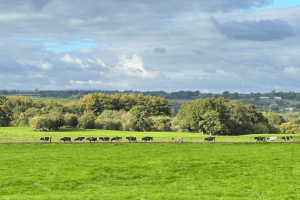
131,500ha. Total organic farmland (including land in conversion) in Scotland increased to 131,500. “Scotland is continuing to lead the way on organic farmland and conversions with strong government support and ambitious targets to boost nature friendly farming,” said the Soil Association. Meanwhile “England is falling significantly behind with little or no discernible growth in total organic farmland in ten years and the freezing of the Sustainable Farming Incentives having an immediate impact on organic conversions”.
2. Of 20 coffee chains and dairy businesses assessed for action on methane emissions by Changing Markets Foundation, only Nestlé and Danone have actually managed to reduce the amount of this gas produced in their supply chains (watch out for a deeper dive later this month in Footprint).
52%. Research by the LobbyMap platform reveals a “profound shift” in corporate attitudes toward climate policy among businesses in the European Union: 52% of European companies tracked now demonstrate science-aligned or partially science-aligned climate policy engagement, compared to 24% in 2019; meanwhile the proportion of companies with “misaligned” climate policy engagement has dropped from 34% to 13% over the same period.
10%. This is the reduction in meaty meals selected when warning labels focused on the health, climate, or pandemic risks associated with consuming meat were applied in an online test. “Contrary to our predictions, we did not find evidence that the health warning labels were any more effective at lowering hypothetical meat meal selection when compared to the climate and pandemic warning labels,” the researchers from Durham University wrote. Green Nudges, a website focused on such research, has suggestedthat “it would be valuable to test these labels in physical retail environments as well – such as on product packaging in supermarkets – where real-world shopping habits and brand cues come into play”.