
This week’s sobering stats feature a novel way to repurpose potato waste, large-scale forest loss linked to chocolate products, a warning over sugary snack bars, and the huge cost of factory farmed meat.
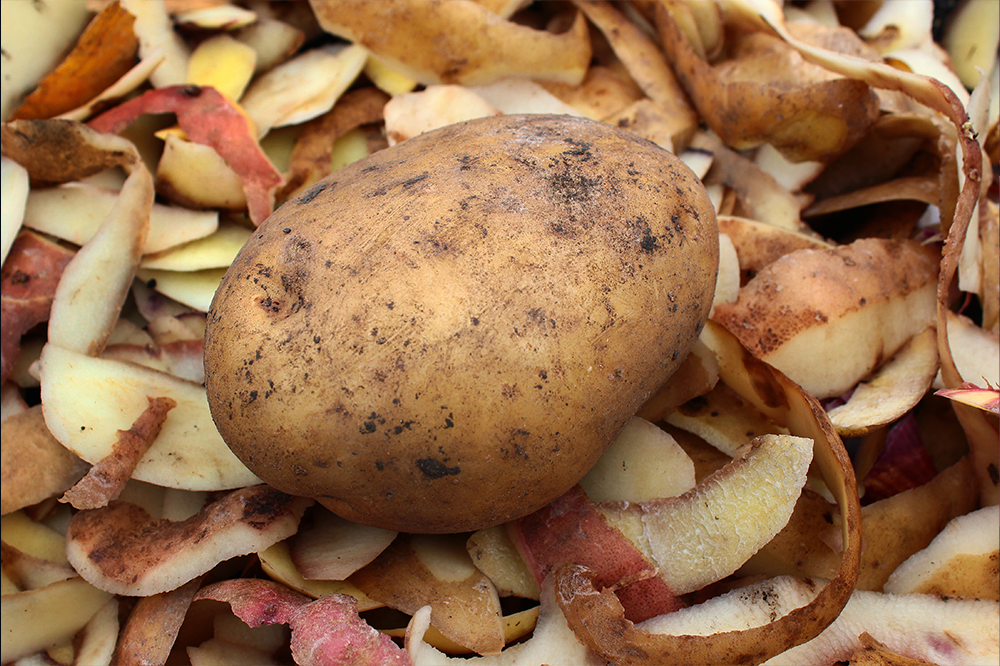
51,000 tonnes. The volume of potato shaw waste generated annually by the Scottish seed potato industry. The shaw refers to the leaf and stem parts of the potato which are usually discarded after harvest. Scientists from the University of Aberdeen are part of a team looking to turn potato shaws into high value compounds that can be used in cosmetic, pharmaceutical and nutraceutical products.
250,000 hectares. The area of land lost to deforestation in Liberia’s ‘cocoa belt’ between 2021 and 2024. The NGO, Global Witness, has published new analysis showing supply chain links between the cocoa beans used in chocolate products from the likes of Hershey, Mondelēz, Nestlé, Unilever and Mars, and forest loss in the West African country, a trend driven by high commodity prices and rural poverty.
26.5g. The sugar content per serving contained in an M&S Dark Chocolate Date Bar. Action on Salt and Sugar has published research showing high levels of sugar in supermarket snack bars, including those marketed with a ‘health halo’. At the other end of the scale, Grenade’s Dark Chocolate Mint Bar contained less than 1g of sugars per serving, “demonstrating that lower-sugar options are possible when companies choose to reformulate”, the campaign group said.
£1.2bn. The annual cost to the UK taxpayer of “factory farming” of chickens and pigs, according to a report by the Conservative Animal Welfare Foundation. The organisation estimated that factory farms take £269m a year in subsidies while costing £518m in environmental pollution, £92m in public health issues and £333m on lost farming jobs, The Express reported.