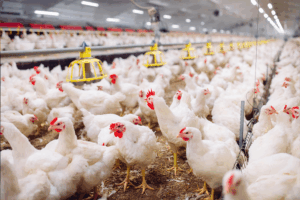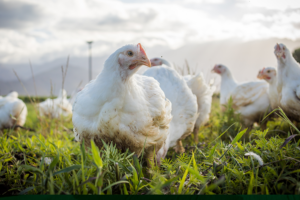
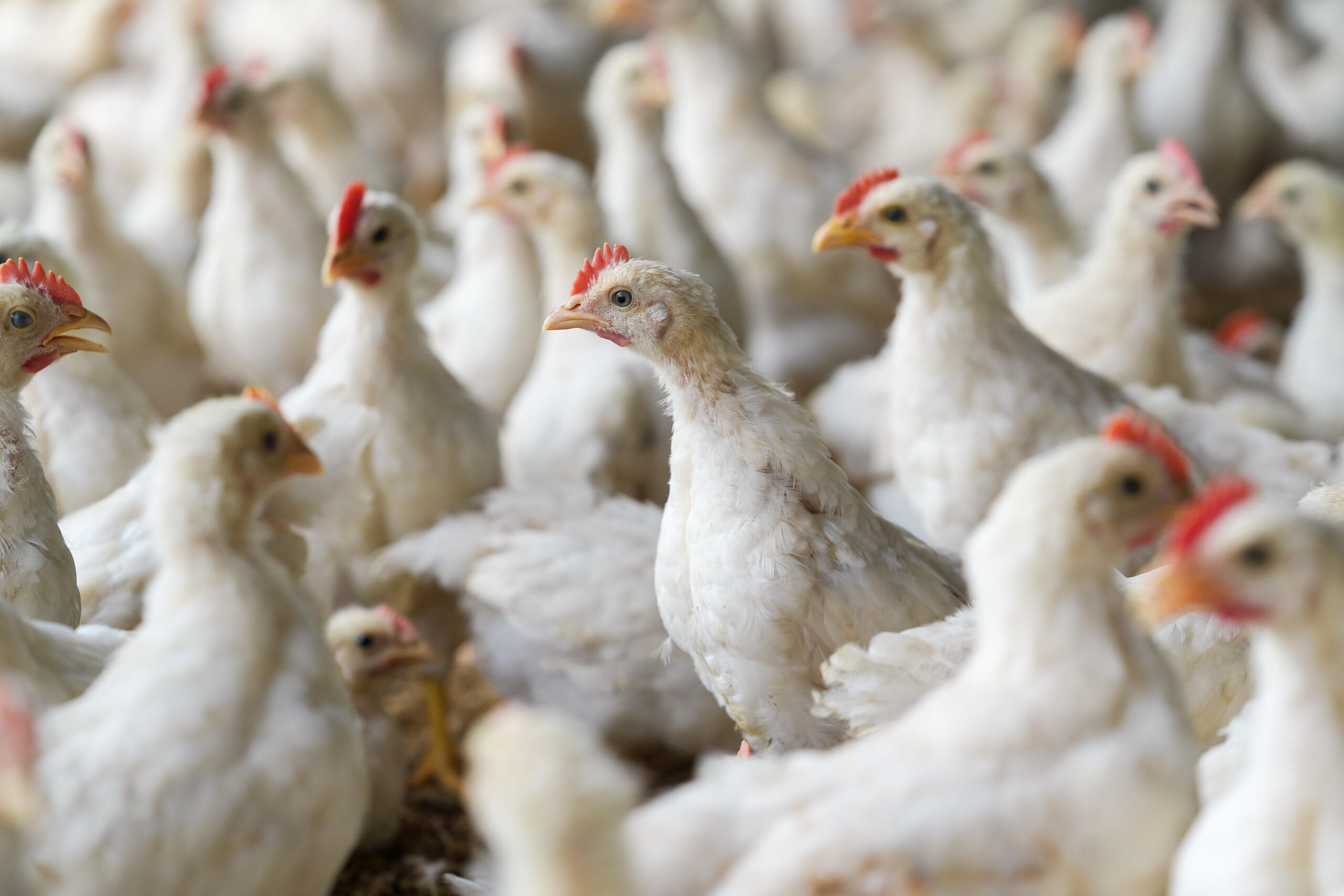
The use of slower growing chicken breeds will be promoted as part of the UK Government’s new animal welfare strategy.
Billed as the biggest animal welfare reforms in a generation, Defra unveiled the strategy in the week before Christmas, noting how legislation, regulations and current practices have not kept pace with the latest evidence.
Proposals aimed at improving welfare for farmed animals include moving away from confinement systems such as colony cages for laying hens and the use of pig farrowing crates; addressing the welfare issues that arise from the use of carbon dioxide to stun pigs; introducing humane slaughter requirements for farmed fish to spare them avoidable pain; and promoting the use of slow growing meat chicken breeds.
This final proposal is of particular relevance to a hospitality and foodservice sector, which despite progress in some areas like moving to lower stocking densities, has struggled to transition to slower growing breeds under the voluntary Better Chicken Commitment. Footprint reported in November that in its latest update on chicken welfare, KFC did not include figures on the percentage of slower-growing breeds it is using across its Western Europe supply chains despite having included these figures in previous iterations of the report. Its 2024 progress report showed that in 2023 just 0.7% of the chickens KFC bought in the UK & Ireland were the slower growing breeds defined by the BCC.
Although the government says it will support voluntary efforts to move away from the use of fast-growing meat chicken breeds, the strategy doesn’t suggest legislation is on the near-term agenda.
The measures announced in the strategy, which also includes proposals to protect household pets from cruel practices, were broadly welcomed by campaigners. “By committing to phase out cages for laying hens and farrowing crates for pigs, over 7 million hens and 150,000 pigs will benefit annually,” said Anthony Field, head of Compassion in World Farming UK.
“We are also delighted [at] the government’s commitment to improve the welfare of tens of millions of pigs and fish at slaughter. The government is raising the bar for farmed animal welfare.”
Defra also pledged to work with stakeholders to explore how improved animal welfare food labelling, including method of production labelling, could provide greater consumer transparency, support farmers and promote better animal welfare.
And it has commissioned the Animal Welfare Committee to assess the likely impacts of climate change on farm animals and what further measures could be put in place by industry sectors to help mitigate those effects.