
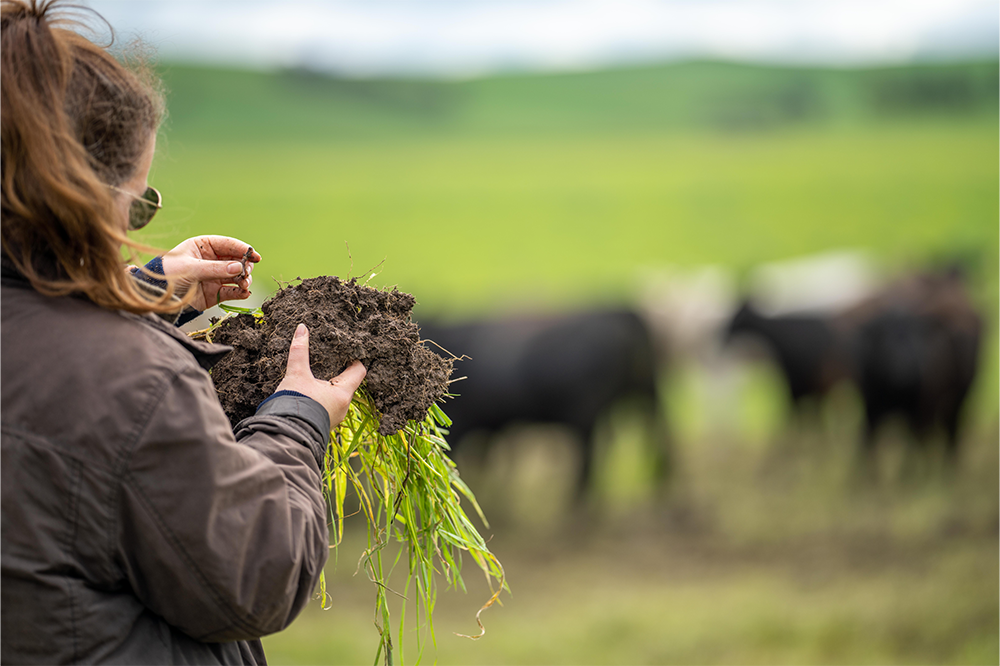
This new report Growing Regenerative Agriculture: How businesses can help deliver impact at scale, the third in the series produced by Footprint Intelligence in association with Nestlé Professional, is now available as a free download
This report was launched on YouTube on Thursday December 4th 2025. As well as a presentation of the report’s findings and anecdotes, the programme also featured a panel session featuring the following.
- James Evans, Director of Farming Operations, Grassroots Farming Co
- Dr.Vincent Walsh, Founder, RegenFarmCo
- Michael Warmington, Regeneration Lead, Nestlé UK
- Nick Hughes, Associate Editor, Footprint (chair)
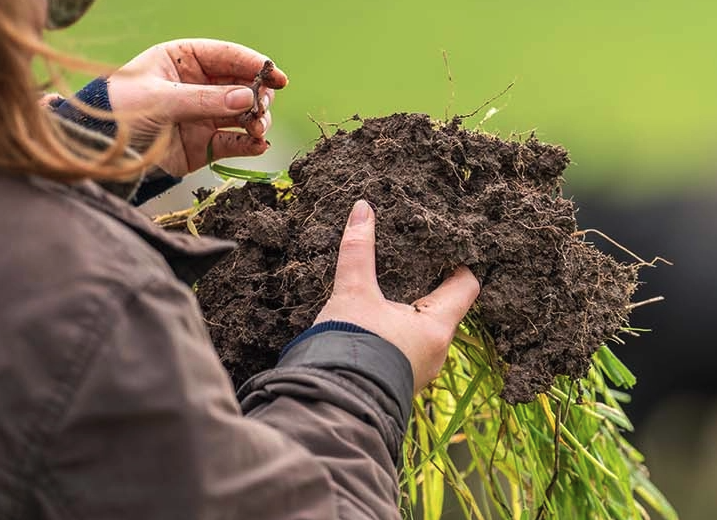
Two years have passed since Footprint published our first report on regenerative agriculture: Is regenerative the future of farming? which was followed last year by Unlocking the community benefits of regenerative agriculture. Since then, the need to put the global food system on a more sustainable footing has grown ever more urgent.
Evidence continues to mount over agriculture’s vulnerability to a warming planet. Across the UK, 2025 broke seasonal climate records for warmth and sunshine, according to the Met Office. Yet just six months previously, the same organisation had recorded the wettest September on record for some English counties.
The impacts on farm businesses of wildly oscillating weather patterns cannot be understated. Farmers are grappling with huge variations in germination rates, yields and quality and only last week it was reported that England had suffered its second worst harvest on record.
Regenerative agriculture exists across a broad spectrum and is not easily defined. Practices such as cover cropping, crop rotations, minimum tillage, maintaining living roots, integration of livestock, and agroforestry are now widely accepted as part of the toolkit of options available to farmers.
It is assumed – and in some places being evidenced – that adoption of these practices will, over time, deliver positive outcomes like increased soil organic matter, lower greenhouse gas emissions, improved water retention and biodiversity, which in turn will make farms more resilient to extreme weather and deliver improved profitability and financial stability in the long-term.
That, in a nutshell, is the theory behind regenerative agriculture and its ability to deliver positive impact when scaled.
In this report we discuss the growing consensus over the outcomes regenerative agriculture should deliver and how these can be measured and reported in a standardised way
We discuss how businesses operating within the foodservice and hospitality sector and its supply chains have a key role to play in helping farmers adopt these principles by providing a consistent market for food and drink grown in regenerative systems and supporting the transition through financial assistance, knowledge exchange and building demand among consumers.
We highlight the legitimate concern that the term is already being used publicly to describe agriculture across such a broad spectrum that it risks becoming meaningless and breeding cynicism among consumers. We discuss that risk in depth and explore how it can be mitigated when talking directly to the public.
You might also like
 Empowering choice: how and why to market higher welfare in hospitality and foodservice, in association with RSPCA Assured
 Water stewardship and regeneration in the drinks industry; where next? in association with Coca-Cola Europacific Partners
 The 2025 Footprint Sustainability Index, in association with Nestlé Professional, is available as a free download.
 Is the future of ham and bacon nitrite-free?