
New research shows January promotions can increase purchases of vegan and vegetarian products for months, but the impact on sales of meat is minimal. By Joanna Trewern.
Veganuary is all about promoting plant-based products and encouraging consumers to buy and eat more of them. It’s an opportunity for businesses of all shapes and sizes to highlight the positives of shifting to more plant-based diets. But does promoting plant-based foods lead to diet shift? Or are we simply buying more food than we used to?
We know that in markets such as the UK we need to transform our diets so they’re lower in animal proteins (meat, dairy, eggs) and higher in plant proteins (legumes, pulses and beans as well as meat and dairy alternatives). Food businesses can play a key role in that transition by pulling the right levers for change.
I recently evaluated an in-store Veganuary promotion run by a major UK retailer, which involved making plant-based products more affordable and easier for consumers to see and find. Colourful point of sale materials highlighted the benefits of eating more plant-based foods including meat and dairy alternatives but also tinned pulses and wholegrain pasta and rice. This approach, based on the ‘4Ps’ marketing mix (product, price, place, promotion), led to a 58% increase in sales of plant-based products. Not bad.
However, the really exciting finding was that this sales uplift lasted beyond Veganuary. Three months after the store environment returned to its ‘normal state’, plant-based sales were still 15% higher than baseline, demonstrating the potential of nudging to drive lasting behaviour shifts.
There were also some interesting differences by store format and affluence – plant-based sales saw the biggest growth in large stores (59% versus 20% in small stores) and stores in lower income areas (64%). This highlights the importance of targeted approaches across different store formats and affluence segments. It also demonstrates the opportunity for engaging a diverse customer base in plant-based, and the potential of using price as a lever to make plant-based products more affordable and accessible to the everyday shopper.
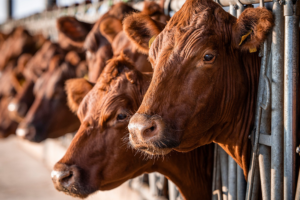
Promoting plant-based products doesn’t necessarily lead to meat reduction. During this Veganuary promotion there was no significant reduction in meat sales, which remains the tough nut to crack. No major rebalancing of protein sales took place at scale. However, looking more closely at the data revealed that there was some indication of a replacement effect at stores in higher income areas where sales of plant-based increased by 57% and meat sales dropped by 0.06%. That doesn’t sound like much when you think of calls for a 30% meat reduction by 2030 in the national food strategy, but it’s a start.
To accelerate the shift toward meat-reduced diets and meet our national net-zero target, additional strategies will undoubtedly be needed. Research conducted in supermarkets and canteens demonstrates the effectiveness of relative availability (that is, including a greater proportion of plant-based options in popular ranges and on menus) and portion size (offering smaller meat portion and pack sizes).
Retailers and foodservice companies are already working hard on this agenda, implementing strategies to influence consumer purchasing behaviour. But it’s crucial to start building an understanding of the impact these have on purchasing and consumption of animal products, rather than just increasing sales of plant-based.
Joanna Trewern is a PhD researcher at the University of Surrey and sustainable diets & behaviour change specialist at WWF-UK.