
The vision is compelling, but the government’s ability to deliver a better food system will live or die by the level of buy-in from Whitehall’s centre. By Nick Hughes.
Bradford’s Darley Street Market may one day be remembered as the place where England’s food system started changing for the better. It was here, in a venue designed to lead the district’s green regeneration, that food minister Daniel Zeichner unveiled the government’s long-awaited food strategy for England last week.
The decision to stage the launch in the UK’s city of culture was the first clue that this was not a food strategy in the conventional sense. Unlike most of its forerunners, the text is imbued with the notion of food as an intrinsic part of local and national culture, capable of “bringing communities together” and a source of civic pride – “whether it’s fish and chips, Sunday roasts, chicken tikka masala or dishes from all over the UK”. (Side note: apparently there is no vegetarian dish that illustrates our “rich food culture”…..perhaps it’s time we found one).
The focus on culture is just one example of how this latest food strategy for England breaks the mould of previous government-penned plans. Another is the sophistication of its diagnosis of the problems facing our food system: rising obesity, food insecurity and environmental degradation are all symptoms of a food system designed in the last century to feed a growing population – and successful at doing so – but with little regard for the unintended consequences.
Leaning heavily on the conclusions of Henry Dimbleby’s independent national food strategy, the junk food cycle, the invisibility of nature and the resilience gap are identified as three interlocking examples of market failure that must be addressed to transform the system. In its place, the government wants to nurture a “good food cycle” in which “a transparent, stable and predictable policy environment supports investment in the development, production and marketing of healthier and more environmentally sustainable great British food for everyone”. Amen to all of that.
Beyond food
The document is strong on how the food system is impacted by policy areas not directly relating to food. It understands that you can’t fix food without fixing incomes, welfare, health and social care, housing, transport and many other ancillary issues that prevent healthy, sustainable diets from being accessible to all.
A key objective of the new strategy is to deliver a more coordinated and coherent approach to food issues across government, recognising that the various limbs of the body politic often pull in different directions. Cue rapturous applause from within the university departments and charity HQs that have banged this particular drum for years.
Indeed, for those of us working in and writing about food systems this is all familiar stuff. The diagnosis is far from revelatory, but the fact it is coming from the centre of government is what makes the shift in tone significant.
But is it really coming from the centre? That is the killer question, the answer to which will define the success or otherwise of this food strategy – because we have no new policies here that might otherwise cement the view that Labour is serious about change. There are no new planning powers for local councils, no new taxes on junk foods, no policies to moderate meat consumption, no plans to revive the struggling horticulture sector; just 10 priority outcomes that leave enough wiggle room to maintain ‘business as usual’ should the power brokers in Whitehall wish it to be so.
PM power
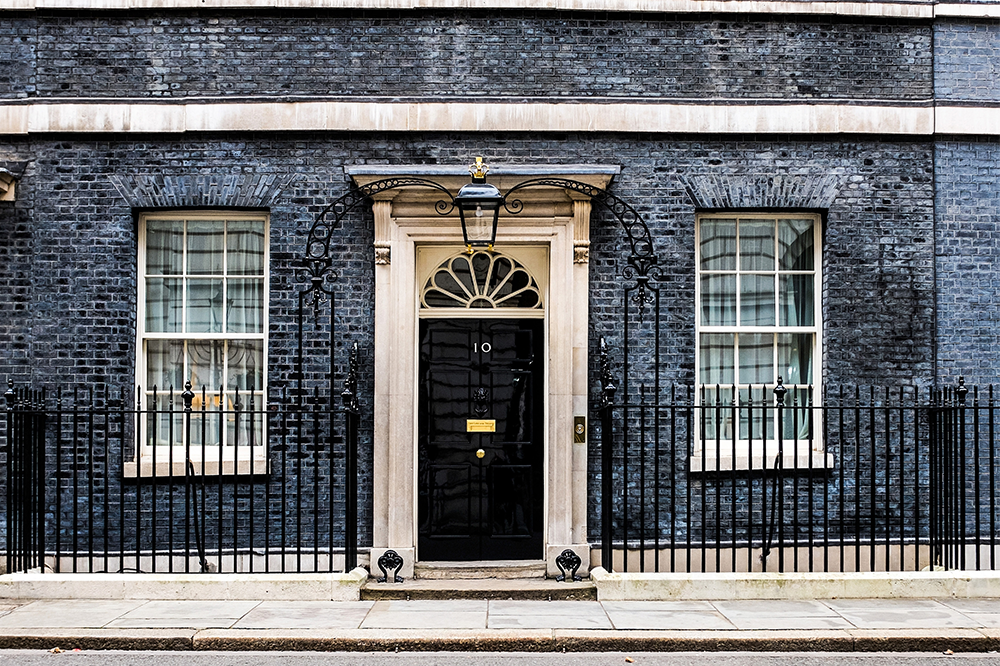
In their 2024 report, Nourishing Britain, Dimbleby and Dolly Van Tulleken interviewed 20 prime ministers, health secretaries and other senior politicians from the last 30 years on the conditions needed for food policy to be a success. The clear consensus was that the occupant of Number 10 has to be in the driver’s seat.
“These things will only happen if the prime minister of the day decides that it is a priority, and pursues it over many years,” said Lord William Hague, former Conservative leader.
The fact the food strategy was launched at a relatively low-key venue, by a relatively low-key minister can be read in two ways – either this is a strategy for the people, by the people (that featured hitherto unprecedented citizen engagement) or it lacks the importance to trouble the Prime Minister’s diary secretary.
Both things can be true at the same time, but The Grocer’s revelation that plans for the government to publish a food white paper in 2026 were pulled from the final version of the document will raise alarm bells.
Feeling better
More positively, it is notable how those who penned the food strategy have explicitly aligned its vision with delivery of Labour’s national missions in its Plan for Change. The thread that connects these missions is that people feel tangible improvements in their standard of living.
A better food system can help deliver this. As the document notes, “healthier diets result in a healthier and more productive population, with improved wellbeing, reduced burden on the NHS and a stronger foundation for growth across the economy”, while more environmentally sustainable production “reduces negative impacts on climate and nature and [….] conserves the productive capacity of the land and seas for future generations”.
Modelling tends to show that policies designed to tackle diet-related ill health and environmental degradation will over time deliver economic benefits (versus the counterfactual of doing nothing). A 2021 HM Treasury review of net-zero concluded that: “The costs of global inaction significantly outweigh the costs of action.”
But have the bean counters got the memo? If the focus in Number 10 is on keeping food prices low, and if the Treasury continues to view food primarily through the lens of its contribution to GDP, then what prospect is there of new regulation that bears down on sales of unhealthy foods, or long-term funding for sustainable agriculture?
“Government needs to set a clear direction and stick to it,” the strategy document states. We now have a direction of sorts, but how sticky it is remains to be seen.
The next key milestone will be development of metrics, indicators and implementation plans for the ten food strategy outcomes. It’s only then that we’ll know for sure whether Darley Street Market has earned its place in food policy folklore.