
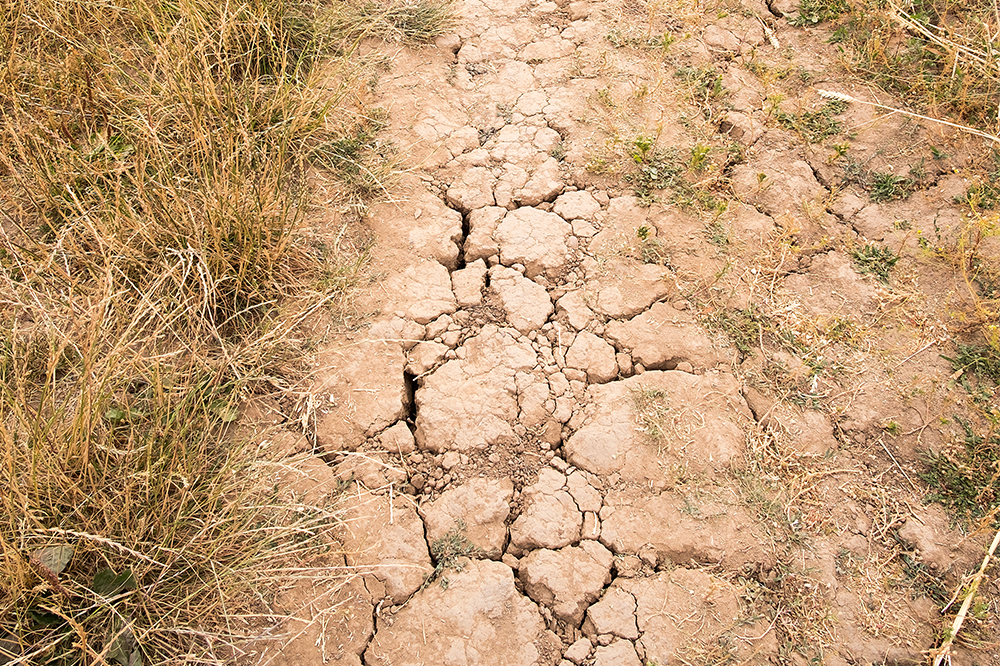
Britain is at risk of a worsening “climateflation” crisis amid the fallout from increasingly extreme weather that could drive up food prices by 34% by 2050.
So reports The Guardian, which had the exclusive on a new report by the Autonomy Institute looking at how climate-related shocks around the globe drive up food prices here in the UK.
The finding is particularly stark given that heatwaves and droughts are only two factors that will contribute to inflation in an increasingly turbulent world.
“A transition from a lower-priced, higher quantity equilibrium to one with higher prices and lower quantities underscores the need for adaptive policies, such as subsidies or investments in sustainable alternatives, to mitigate economic vulnerabilities and ensure stability,” the authors Luiz Garcia and Philip Jones wrote.
The experts called for public diners – a publicly-funded service providing essential food items to all households that is – and this is “crucial” – “not a food bank”. (Last September, Footprint posed the question, ‘Are public diners ripe for a comeback?’ And earlier this month we had our answer as the UK Government announced funding for two public restaurants to be piloted in Dundee and Nottingham from 2026 as part of a UK-wide project to tackle food inequality. The state-subsidised restaurants will focus on catering to the needs of deprived households with children and will serve nutritious, sustainably produced meals).
Garcia and Jones also called for buffer stocks and price controls to prevent ‘greedflation’. They also said: “The government should provide a ‘basket’ of basic essentials to every household in the UK free of charge. This would include food items that meet a significant percentage of the calorific and nutritional needs of every child and adult in the country.”
The UK imports nearly 50% of its food, relying heavily on Europe in particular. Fruit harvests have been hampered by hot, dry weather this year, for example. Chocolate and coffee price rises following poor harvests linked to extreme temperatures and bad weather have been widely reported in recent months.
UK production is similarly at risk: key crops like wheat, barley and oilseed rape are already being affected by extreme weather conditions like flooding and droughts.
An ECIU and Grounded Research survey, published earlier this month, showed that in the past five years, 86% of farmers have been hit by extreme rainfall, 78% by drought and over a half by the impacts of heatwaves. That research followed several recent attribution studies that draw a clear causal link between the increasingly extreme weather affecting farmers and climate change.
A new NFU survey showed that nearly two-thirds of farmers have experienced a severe weather event in the past decade that affected their business in some way. This week the NFU held a multi-agency ‘water summit’ focused on the “significant challenges” of water quality and availability that continue to impact food production.
As NFU vice-president Rachel Hallos explained: “Whether it’s from vital nutrients that we use to grow food impacting water quality in rivers often from agricultural runoff or the cycle of drought and floods leading to poor harvests, it all undermines the stability and resilience of our farming businesses and ultimately impacts our food security.”
The Autonomy Institute said its findings “underscore the urgent need for the UK to adapt its food system to withstand increasing climate pressures, ensuring both food security and economic stability”.
Indeed, lower-income households are disproportionately affected by food inflation, as they spend a larger share of their budget on essential items like bread, rice, and meat, the Institute’s research showed. Heatwaves in the UK, as one of the several causes of climateflation, could for example result in an annual average household loss of £917–£1,247 by 2050, increasing poverty and food insecurity.
Food inflation increased to 4.0% year-on-year in July, against growth of 3.7% in June, according to figures published by the British Retail Consortium this week. Staples such as meat and tea were hit the hardest as wholesale prices for both categories have been hit by tighter global supplies, explained BRC chief executive Helen Dickinson.
Dickinson said: “Retailers are doing everything possible to protect their customers from the worst of the inflationary pressures, but the £7bn cost to retail of last year’s Budget forced most retailers to raise prices. Further tax rises will ultimately hurt households, locking in inflation and forcing people to pay higher prices to put food on the table.”
Which brings us neatly to our other stories this week, which include a development on one of those ‘taxes’, namely extended producer responsibility for packaging, as well as new scientific research aiming to create climate-resistant crops without using permanent genetic modification. We also have a comment from US academics arriving in the UK next week to discuss the ethics of aquaculture.
- ‘Tax’ on packaging to be channelled towards recycling infrastructure. More.
- Improving crop resilience and nutritional value without permanent genetic modification. More.
- Academics raise alarm over acceleration and acceptance of aquaculture. More.