
The build-up seemed to last forever. Strategies were poured over by the media. The verbal sparring was fierce. And then the event itself was over in little more than the blink of an eye.
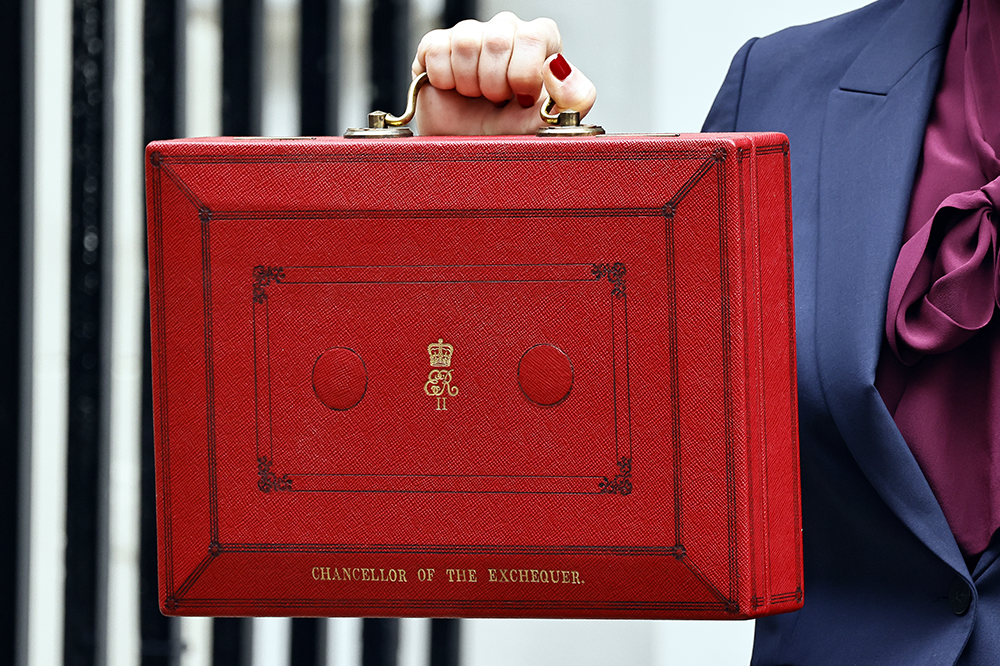
But enough about the first Ashes Test. Rachel Reeves took centre stage this week with a budget billed in some quarters as a ‘make or break’ moment for her chancellorship.
Mainstream media reaction was dominated by “necessary choices”, as Reeves herself put it, concerning taxation and spending – in particular the decision to freeze income tax thresholds and lift the two child benefit limit (which the Trussell Trust suggested would reduce pressure on food banks by reducing people’s reliance on food parcels).
This was not a budget in which the green economy featured extensively, quite the opposite in fact. During an hour-long speech, Reeves made not a single reference to the climate crisis. There was nothing on nature and only a brief mention of investment in renewable energy. If we didn’t have an inkling already, we now know for certain Reeves is not a chancellor guided by green zeal.
Yet there was plenty in the 152-page main budget document to pique the interest of food and drink businesses with an eye on health and sustainability.
Let’s start with the obvious: the soft drinks industry levy (SDIL) will be extended to milk-based and milk substitute drinks with a high sugar content from 2028 (see accompanying news story). This proposal had already been consulted on and so did not come as a surprise, although the lowering of the threshold at which the levy will be paid to 4.5g rather than the proposed 4g was a win of sorts for sellers of sugary drinks and took some of the shine off campaigners’ celebrations.
Alcohol duty is to rise with the rate of inflation, which the government said “balances the important contribution of alcohol producers and the hospitality sector to the UK’s culture and economy, with the duty’s role in reducing alcohol harm”.
The plastic packaging tax rate for 2026-27 will increase in line with CPI inflation, while the government will consult in early 2026 on the introduction of mandatory certification for mechanically recycled plastic packaging for businesses to claim an exemption from the tax.
Elsewhere, there was a small concession to farmers over controversial inheritance tax changes announced in last year’s budget. Reeves confirmed that the £1m allowance for the 100% rate of agricultural property relief and business property relief will be transferable between spouses and civil partners. A largely unimpressed NFU president, Tom Bradshaw, said the move “doesn’t go anywhere near far enough in protecting the working people of the countryside”.
Among this year’s more contentious policies – and there were plenty – is the decision to levy a per mile charge on electric vehicles. The charge will equal £0.03 per mile for battery electric cars and £0.015 per mile for plug-in hybrid cars when it is introduced in April 2028, with the rate per mile increasing annually with CPI. As a result, the average driver of a battery electric car in 2028-29 driving 8,500 miles can be expected to pay £255 per year.
The rationale for the policy is that revenue from fuel duty will continue to drop sharply as the UK moves towards a ban on the sale of new petrol and diesel cars by 2030; since EVs also contribute towards wear and tear on the roads drivers should be expected to cover some of the cost. Yet for early EV adopters, including the many businesses that have moved employee fleets wholesale to greener vehicles as part of their net-zero commitments, the levy may be hard to swallow.
Businesses hoping for an easing of the burden from day-to-day costs were also left largely disappointed. UKHospitality welcomed a slight lowering of the business rates multiplier for hospitality businesses, but noted that rate revaluations mean tax bills will still rise significantly. A further increase to the national living wage, while good news for low paid workers, is another cost for the industry to absorb.
“Hospitality remains under significant cost pressures, with the highest tax burden in the economy. We will continue to campaign for additional support for the sector, including further business rates discounts,” said UKHospitality CEO Kate Nicholls.
Elsewhere in this week’s Footprint news:
- Milk-based drinks are to be brought into scope of the UK’s sugar tax. More.
- Wrap has launched a new packaging collaboration to replace the UK Plastics Pact. More.
- ‘Healthy’ snack bars are found to be high in sugar and fat. More.