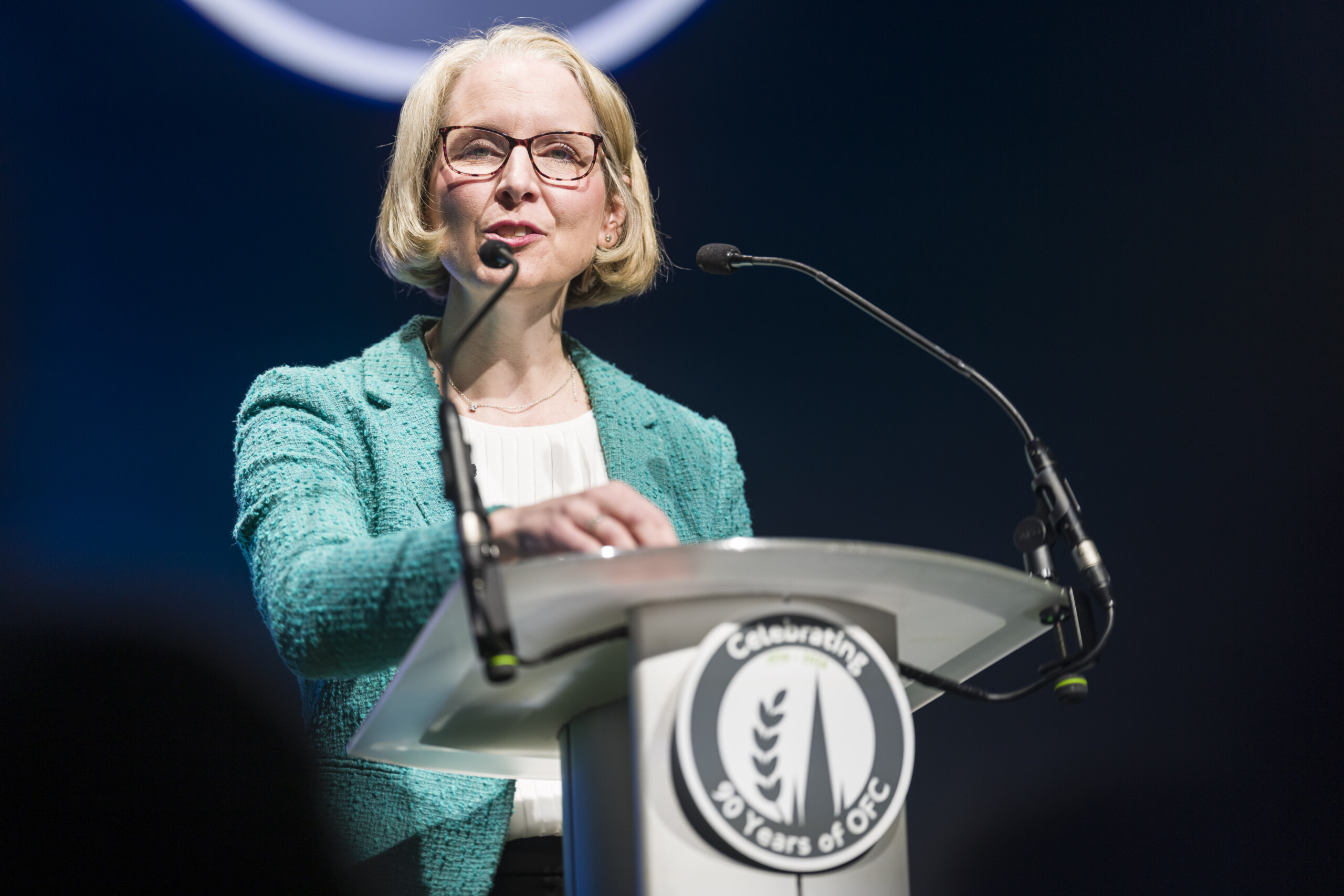
As is tradition for the beginning of January, the farming sector took centre stage this week as the annual Oxford Farming and Oxford Real Farming conferences took place concurrently in the city. Defra secretary of state Emma Reynolds addressed the former on Thursday, promising clarity, stability and predictability following a year in which tensions between farmers and the Labour government became stretched to near breaking point.
The sector was given a much-needed fillip before Christmas with the news that the inheritance tax threshold for farmers has risen from £1m to £2.5m. This means spouses or civil partners can pass on up to £5m in qualifying agricultural or business assets between them before paying inheritance tax.
Responding to the announcement, NFU President Tom Bradshaw said the change would come as a huge relief to many. “While there is still tax to pay, this will greatly reduce that tax burden for many family farms, those working people of the countryside,” he added.
Bradshaw praised Reynolds for playing a key role in “underlining the human impact of this tax” in discussions within government, and it was clear from her speech in Oxford that the new secretary of state has prioritised rebuilding relations with a sector that has felt underappreciated and unsupported since Labour came to power.
In December, Baroness Minette Batters published her Farming Profitability Review in which the former NFU president set out a smorgasbord of challenges faced by farmers – from complex regulation and problems in the planning system, to uneven trade deals and power imbalances within supply chains.
Batters called for a “new deal for profitable farming” that recognises the true cost of producing food and delivering for the environment. Reynolds said the government was in the process of working through all of Batters’ recommendations and would set out a detailed response in its 25-Year Farming Roadmap, due for publication later this year. But Defra has moved immediately to respond to Batters’ call for greater partnership working between government and farmers by setting up a new Farming and Food Partnership Board to be chaired by Reynolds. “It is your voice that will shape what the government does,” Reynolds promised the audience in Oxford.
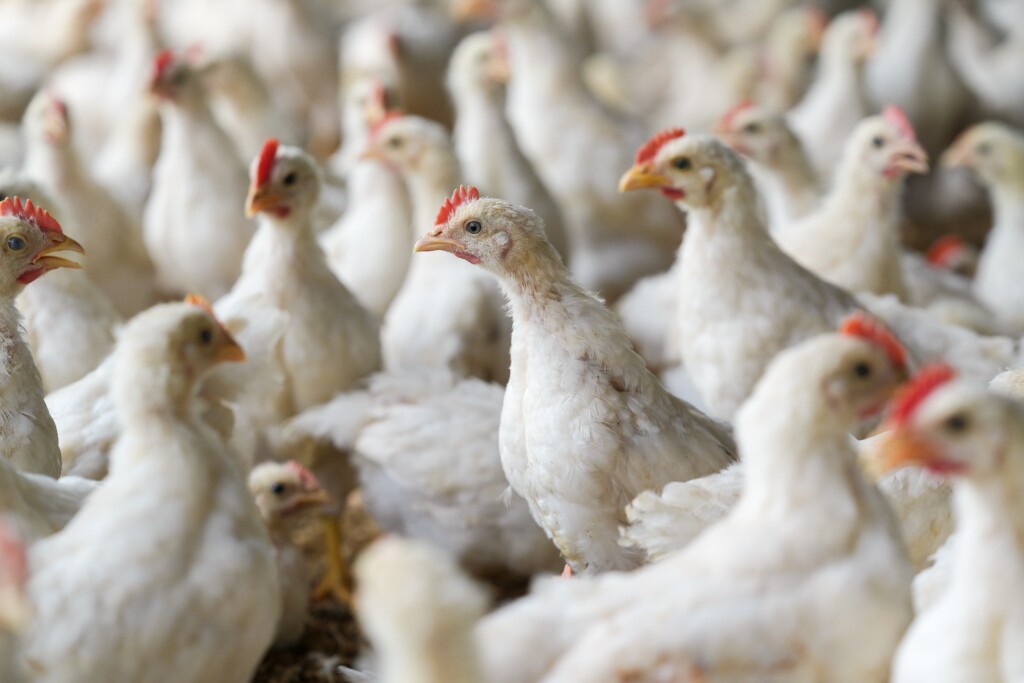
The new board will bring together senior leaders from farming, food production, retail, finance and government “to take a practical, partnership-led approach from farm to fork to strengthen our food production”, according to Defra. It will focus on removing barriers to investment, improving how the supply chain works and unlocking growth opportunities across different parts of primary production and processing. Part of its work will involve developing dedicated sector plans, starting with horticulture and poultry, where Defra says “there is significant untapped potential to increase homegrown production”.
Reynolds also promised an end to “sudden, unexpected closures” of funding schemes following anger at the abrupt closure of the Sustainable Farming Incentive (SFI) last year. Reynolds admitted the decision to cease applications had damaged trust and confidence and announced reforms to the SFI designed to simplify the scheme and recognise that environmental payments “must work alongside food production, not displace it”. There will now be two SFI application windows in 2026, with the first from June prioritising smaller farms and those without an existing agreement, followed by a second round from September for wider applications.
Among a flurry of announcements leading up to Christmas, Defra also published the government’s new animal welfare strategy – covered in detail in this week’s news – which includes among its ambitions a transition to slower-growing chicken breeds and a move away from confinement systems.