The UK Government is attempting to balance financial support for stricken pubs with measures to curb problem drinking. Can it achieve both aims?
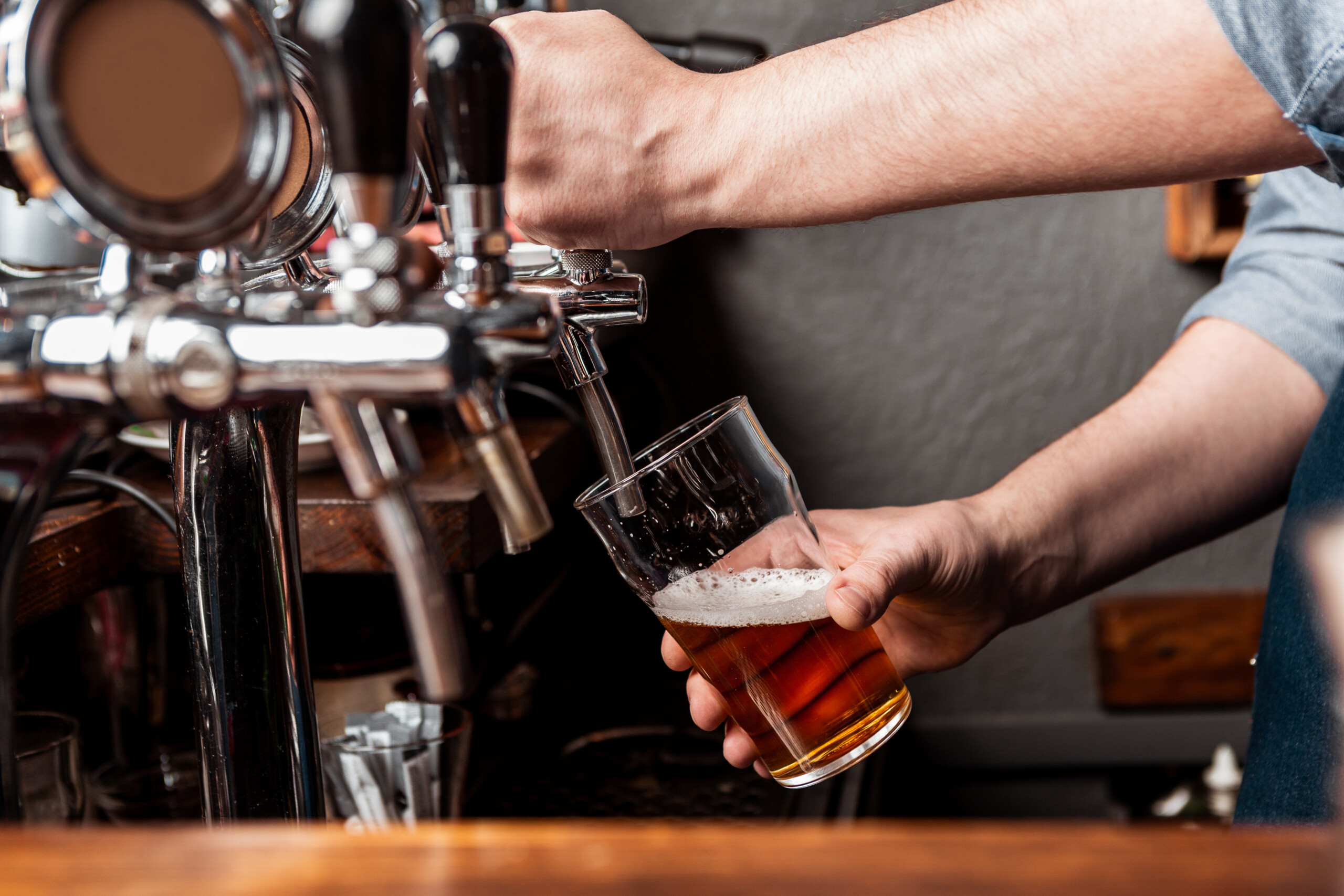
If January felt like an interminably long month then spare a thought for the nation’s pub landlords. A combination of miserable weather, post-Christmas household debt and individual attempts at abstinence – under the banner of ‘Dry January’ – mean publicans and their suppliers have more reason than most to be on ‘spring watch’ at this time of year.
Not that the sector’s challenges are confined to January. The number of British pubs has fallen by nearly 7,000 since 2010 according to government figures – a roughly 15% reduction – as landlords struggle to make the sums add up.
Consistent cost increases, including recent hikes to alcohol duty, national insurance contributions and the national living wage, have combined with changing consumer behaviours, such as a rise in at-home drinking and growing abstinence among younger generations, to heap pressure on the beleaguered sector.
One in four adults in England now say they do not drink any alcohol, The Guardian reported last month, with increasing numbers of young people opting for sobriety. The figures came from a questionnaire of 10,000 people as part of the Health Survey for England. Almost a quarter (24%) of adults in England said they had not drunk alcohol in 2024, an increase from just under a fifth (19%) in 2022. The survey also found people aged 65 to 74 were twice as likely to drink at risky levels (29%) compared with those aged 25 to 34 (14%).
Special measures
Despite challenges in luring punters over the threshold, the community pub still holds a special place in the hearts of the British public. Politicians know this only too well, hence why the sector recently found itself in receipt of special measures by the Labour government to ease the cost burden on businesses.
Pub owners have long raised concerns over the way they are valued for business rates purposes. With the latest round of costly rate revaluations set to kick in from April, the chancellor, Rachel Reeves, has sought to placate the sector with a tailored support package that will save the average pub an additional £1,650 in 2026/27, according to HM Treasury. Around 75% of pubs will see their business rates bill fall or stay flat over the same year with the pub sector as a whole paying 8% less in business rates in 2029 than they do currently.
Emma McClarkin, CEO of the British Beer and Pub Association (BBPA), said the pub-specific package “will stave off the immediate financial threat posed by accelerating business costs and will help keep the doors open for many”. UKHospitality also welcomed the announcement, while stressing that the entire hospitality sector is in need of such life support.
Harmful consumption
All this is set against the context of the government’s 10-year Health Plan for England, in which tackling harmful alcohol consumption is a key pillar of an ambition to move “from sickness to prevention”. Ministers find themselves having to walk a tightrope that balances the vital role pubs play in building strong local communities and a desire not to vilify responsible consumption with the societal cost of alcohol harm, which is estimated at over £27bn each year in England alone (harmful drinking does not just occur in pubs of course).
The strategy, which was published in July and has just been supplemented with an impact statement, stops short of proposing tougher measures favoured by public health campaigners, notably minimum unit pricing to reduce consumption of the cheapest, strongest alcohol (a policy already implemented in Scotland, where the number of alcohol-specific deaths fell by 7% in 2024). Instead, the government intends to introduce a mandatory requirement for alcoholic drinks to display consistent nutritional information and health warning messages. This would bring alcohol more closely into line with existing health and nutritional labelling requirements for tobacco, food and alcohol-free drinks, all of which currently have more detailed nutritional and health information on their labels than alcoholic beverages.
Ministers also want to support innovation in the no and low (NoLo) alcohol market and plan to consult on changing the upper strength threshold at which a drink may be described as alcohol free from 0.05% to 0.5% ABV, bringing the UK into line with international standards.
The performance of the NoLo segment was a rare bright spot for pubs in an otherwise difficult 2025 that lacked the filip of a major sporting event to boost sales. The BBPA declared it a record year with 200 million pints of NoLo beer sold, up from 170 million in 2024. NoLo beer now accounts for almost 3% of the UK’s total beer market. “It’s become engrained as part of how people are drinking,” said Lucky Saint founder Luke Boase, who is among those calling for a change to the alcohol-free descriptor to 0.5% ABV.
Questions remain however over whether the relatively light-touch measures announced in the health plan will be enough to reduce alcohol-related harm. Mandatory health warning labels have proven effective in other countries, including South Korea, which requires cancer warnings on alcohol containers. Yet experts say these should not be considered silver bullet solutions. A 2022 briefing document from NGO Movendi International, which advocates for addressing the harms caused by alcohol and other drugs, noted how alcohol warning labelling “is best seen not as an intervention that will modify behavior and reduce alcohol use immediately, but as an integral part of facilitating gradual change over time”.
‘Inadequate response’
UK health experts are sceptical over the real world impact the package of new measures will have. In August, a group including clinicians, researchers, treatment specialists, medical royal colleges, and charities, signed an open letter to health secretary Wes Streeting calling for an urgent and more ambitious strategy to address rising alcohol harm, including minimum unit pricing, stronger alcohol marketing restrictions and local authority powers to manage alcohol availability and online sales.
Professor Sir Ian Gilmore, chair of the Alcohol Health Alliance and liver specialist, described the commitment to improve alcohol labelling as “a welcome, long-overdue step towards greater transparency for consumers”. However, he added, “there is little evidence that the growth of the alcohol-free and low-alcohol sector will reduce population-level alcohol consumption. What we do know is that this benefits alcohol industry profits. In the face of rising harm, these limited measures represent a wholly inadequate response to the scale of the problem.”
In its own impact statement, the Department of Health and Social Care (DHSC) acknowledged that evidence linking the policies included in its health plan to improved outcomes is “less well-established”. It said that although NoLo products could help reduce alcohol harms if consumers substitute these products for standard strength alcoholic drinks “the evidence base for such impacts is limited as this is a newly emerging policy solution for tackling alcohol related harms”.
Given the worrying data on problem drinking, the government’s response risks feeling underpowered. Alcohol is a risk factor contributing to 200 health conditions, including cancers, cardiovascular conditions, depression and liver disease, yet UK trends in alcohol-related harms are going in the wrong direction. For example, while the average rate of premature death and ill-health due to alcohol-related liver conditions decreased over the last 30 years for most of Western Europe, the UK rate has increased by 70%, according to the DHSC impact statement, which also notes how, in England, the death rate due to alcohol is the highest on record.
In the same month the government published its impact statement for the 10-year plan, the Licensing Hours Extensions Bill passed its third reading in the House of Lords. Once rubber stamped, the bill will make it easier to ease restrictions on pub opening hours for events of national significance, like a major sporting contest.
Backing our pubs and tackling harmful alcohol consumption are both worthy aims, but a joined up approach to our relationship with booze feels as far away as ever.