Organic a-go-go
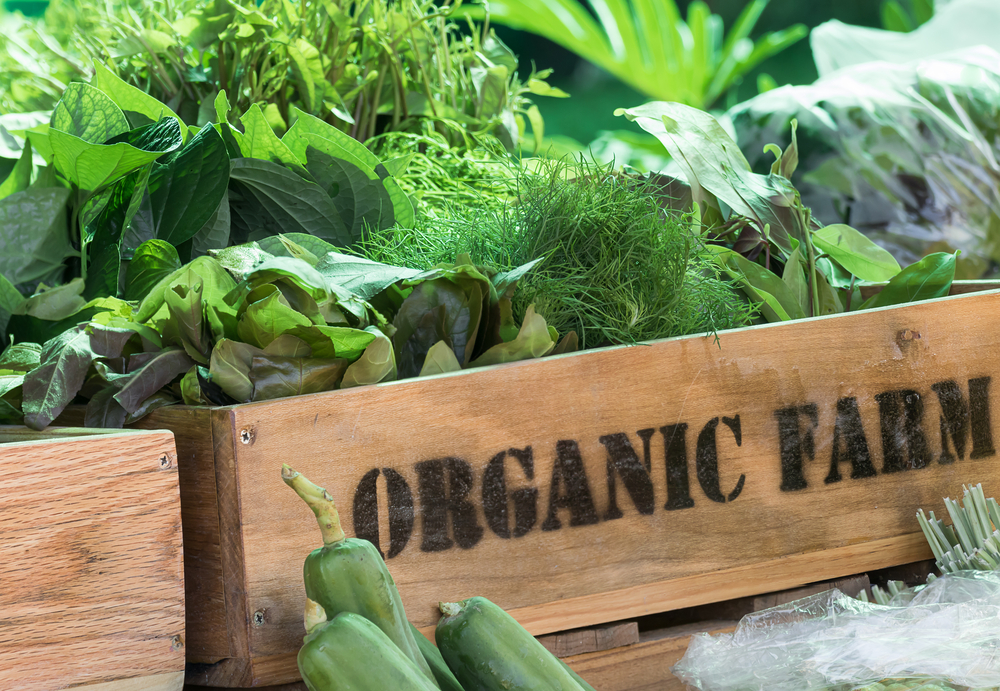
Defra has published a long-awaited ‘Organic action plan for England’, which sets a pathway for tripling organic farming over the next decade.
The government said increasing agricultural land farmed organically from 3.4% currently to 10% by 2036 would bring benefits to the whole supply chain – including those sourcing organic food and drink for schools, hospitals and restaurants – as well as for the environment.
Farmers have been promised better access to information, advice, innovation and peer support, making it easier to start or expand organic production.
For businesses, the aim is to improve understanding of where domestic supply can meet demand, helping producers, processors and buyers identify new market opportunities.
The government hopes its plan will also “increase awareness of organic certification and encourage greater uptake of English organic produce” among consumers and public sector buyers.
The plan sets out ways to put “more organic products more swiftly” on supermarket shelves and into restaurant kitchens, as well as opening up new markets in the UK and abroad. “People are buying more organic food, and we want English farmers to be in a strong position to respond to that demand,” said Defra secretary of state Angela Eagle.
The UK organic market is in good health having recently registered its 14th year of consecutive growth and doubled in value in the last decade to £3.9bn. Consumers are seeking out organic products for a number of reasons – from higher animal welfare standards to better soil health and nutrition and the appeal of pesticide-free products.
Food retailers have tapped into this trend but have had to increasingly rely on imports in order to meet demand.
Growth in foodservice has been less impressive (the Soil Association’s Food for Life scheme aside); cost has remained a major barrier to organic uptake on the high street with the exception of specific commitments such as McDonald’s sourcing of organic milk.
“As the sector grows, high-quality organic food should become a more visible and accessible choice for households across the country,” said Eagle.
Public procurement is one lever for market development the government is determined to pull. The plan reads: “Building on the Government Buying Standards for Food and Catering Services (GBSF), Defra will explore opportunities to increase the proportion of food meeting higher environmental standards in the public sector. Organic certification offers a clear and robust route to meeting these standards, supporting demand while advancing sustainability objectives.”
Momentum behind Labour’s ambition that half of all food purchased across the public sector should be locally produced or certified to higher environmental standards appears to have slowed since the party took power. Defra is not due to complete a data-gathering exercise on the origin and sustainability of food in public sector supply chains until the summer of 2027, having faced challenges in gathering baseline data from caterers.
Rob Haward, chief executive at Riverford organic box scheme, said public procurement is currently “impenetrable” for small organic farms. He told The Guardian the organic sector now needs proper backing from the government, including grant funding, in order to grow.

Small Bites
Corporate targets on nature spring to life
Carrying out a nature risk assessment has just become easier for food businesses. This week, the Science-based targets initiative (SBTi) launched Nature 2.0 – a new set of guidance for businesses setting nature targets. The aim, according to SBTi, is to provide “a more practical route to target-setting and action, while maintaining the scientific rigour, place-based approach and accountability that underpin credible action” on nature. The new guidance comes alongside major updates from the Taskforce on Nature-related Financial Disclosures (TNFD) and the Nature Positive Initiative (NPI). Together, these releases – which are intended to complement one another – are said to reflect growing convergence across corporate nature approaches. TNFD supports organisations to assess and disclose their nature-related dependencies, impacts, risks and opportunities, while SBTN supports companies to set science-based targets and take action on nature. The SBTi’s new framework simplifies more than 600 existing nature metrics into just four core indicators. Meanwhile, NPI indicators and metrics are designed to help organisations – including food businesses and their investors – assess their nature-related dependencies, impacts, risks and opportunities. With COP17 (the UN’s biodiversity conference) around the corner, businesses and policy makers are under pressure to show progress towards the goal of halting and reversing nature loss by 2030.
Storm brews for coffee supply
El Niño is threatening coffee harvests across key growing regions, with drought, extreme heat and unpredictable rainfall adding to mounting pressure on farmers. Colombia’s National Federation of Coffee Growers has forecast production will decrease by around 8% in 2026 compared with 2025. In Nicaragua, a USDA Foreign Agricultural Service forecast has projected green coffee production will fall by 4.7% in 2026/27. Rising fertiliser costs are adding to the impacts on coffee production and supply, with farmers arguably most exposed. “When a harvest decreases because of extreme weather, it is often the smallholder producer who feels that impact first,” explained John Steel, CEO of coffee supplier Cafédirect. “Investment in climate adaptation costs money. […] That’s why living income is so important to this conversation,” he added. For coffee, it is not simply a question of whether it rains: drought during flowering or fruit development can damage a crop, while excessive or badly timed rainfall can increase disease pressure and make harvesting and drying more difficult. Research published in September by the UK Government warned that coffee was among a number of commodities most at risk from the El Niño event. “The UK could experience higher prices for products such as rice, and certain tropical commodities (for example: cocoa, coffee) but the precise effects remain difficult to predict,” academics wrote following a Westminster-organised roundtable on the topic.
Free salad: a fresh approach to encourage reusables
With the cost of single-use packaging rising, caterers in the UK and EU are keen to incentivise customers to adopt reusables. But how? New research, supported by the Slovak Research and Development Agency and published in the journal Food and Humanity, suggests a small incentive can work wonders. The academics carried out a trial at a cafeteria at Matej Bel University in Bansk ́a Bystrica, Slovakia, which serves students and staff daily. The limited menu with “relatively standardised meal options” provided the ideal setting to observe repeated food-related choices under relatively stable conditions. Fresh salad is a popular choice, and can be purchased in disposable plastic packaging as a takeaway option, or diners can bring a reusable container (plates are available for those sitting in). The team set up identical portions of salad for those taking single-use or opting for reusables, with their salads packaged at the point of service – an important point, according to the researchers, who noted how choices are often driven by accessibility of available options rather than deliberate consideration of environmental consequences. They offered the incentive of a free salad for every fifth portion that was sold in reusable packaging. Packaging-free purchases increased from 11.5% of weekly salad sales before the incentive intervention to 41% during the trial, while overall salad sales remained stable. The study “demonstrates that packaging should be considered an integral attribute of the food choice environment rather than merely an environmental issue,” the academics wrote, adding that “[b]ehaviorally informed, incentive-based interventions that increase the salience and attractiveness of packaging-free options may encourage more sustainable consumer choices in institutional food-service settings while preserving freedom of choice”.
Chef’s Special
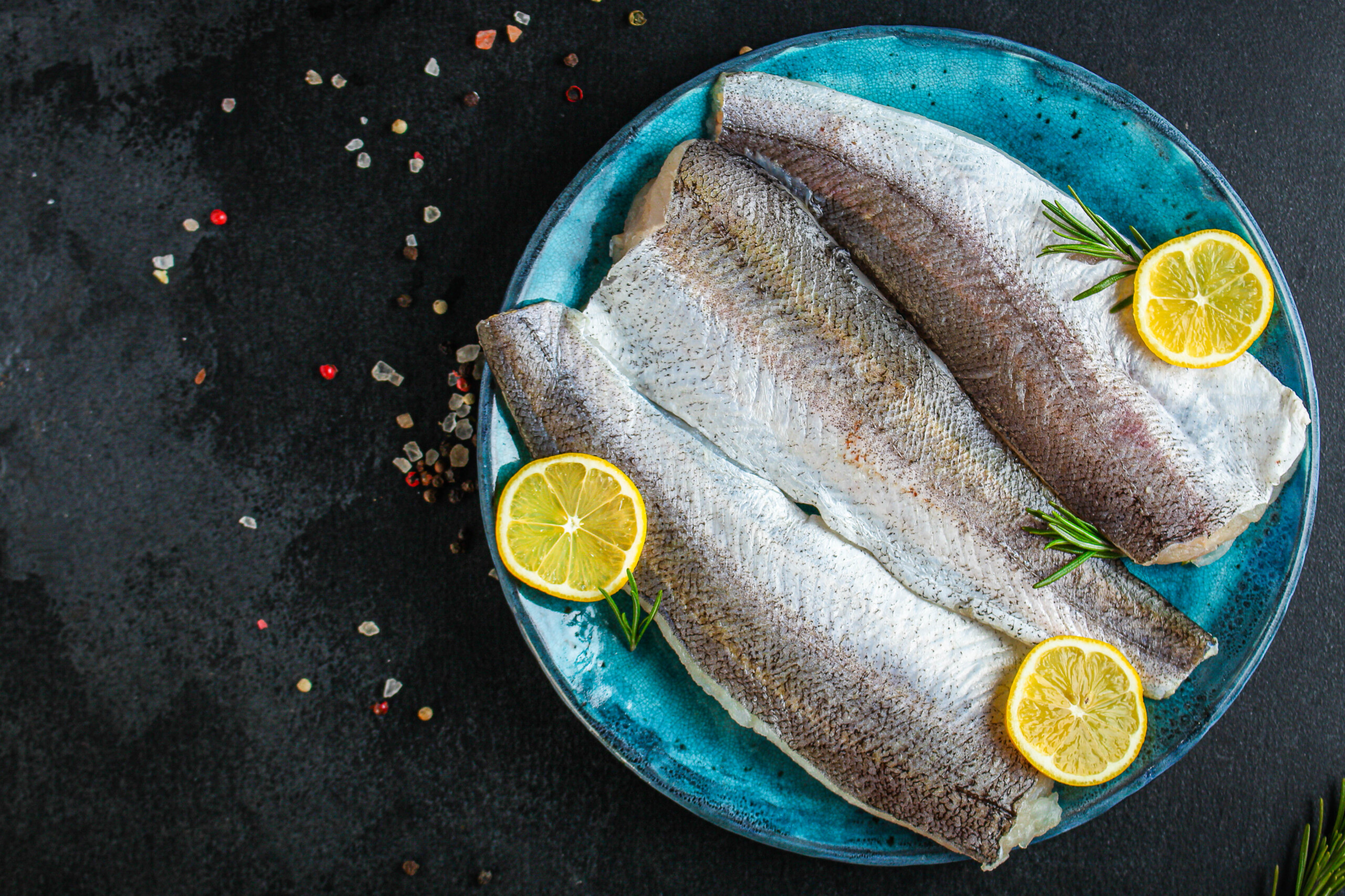
Restaurants wishing to promote a sustainable ‘catch of the day’ would be well-advised to consult the latest update to the Marine Conservation Society’s (MCS) Good Fish Guide. For white fish, the current recommendation is to source Alaska pollock from the Gulf of Alaska or the Bering Sea, monkfish caught in the North Sea, Rockall or West of Scotland, or most seabass – but to avoid seabass from the West of Scotland and West of Ireland due to “poor stock”. Haddock caught in Icelandic waters, which accounts for the largest share of UK imports, has dropped from green to amber rating due to “fishing pressure above sustainable levels and catches remaining above scientific advice”. Haddock caught across the North Sea, Skagerrak and Scottish waters, the second biggest source of haddock to UK consumers, remains green rated and is “a good choice at the present time”. Coley (also known as saithe), a whitefish alternative to cod, caught around the UK has been red rated due to population decline, with “no recovery plan in place”, according to MCS. Northeast Arctic coley has also dropped further down the scale, but coley caught in Icelandic waters remains green rated. Other updated ratings show what happens when stocks improve and fishing pressure is reduced: scores for some North Sea herring have improved, for example, while there is also a new positive rating for Atlantic bluefin tuna in UK waters. Marine Stewardship Council (MSC) certified Cornish caught hake remains a green option too.
Last Orders
There was sad news in the world of whisky this week as the GlenWyvis distillery called in the administrators. The Fife-based business was thought to be the world’s first community-owned craft whisky distillery when it opened in 2015. “Nestled amongst the foothills of Ben Wyvis in the Scottish Highlands, GlenWyvis marks the return of distilling to Dingwall after nearly 100 years,” the company’s LinkedIn profile reads, continuing: “Founded in 2015, the distillery combines modern technology with a traditional process, harnessing renewable energy from wind, rain, and sun while a biomass boiler supplies steam for two small copper pot stills.” News of its administration follows what the company describes as “a prolonged period of substantive commercial, operational and legal issues on the business, driven by challenging conditions across the whisky market, rising operating costs and sustainable external pressures”. Chairman Jock Ramsay, told The Spirits Business: “This is a very sad day for all of us associated with GlenWyvis Distillery. For 10 years this distillery has been owned by its community and sustained by the extraordinary support of its members, volunteers and staff and the team explored every available option to secure its future.”