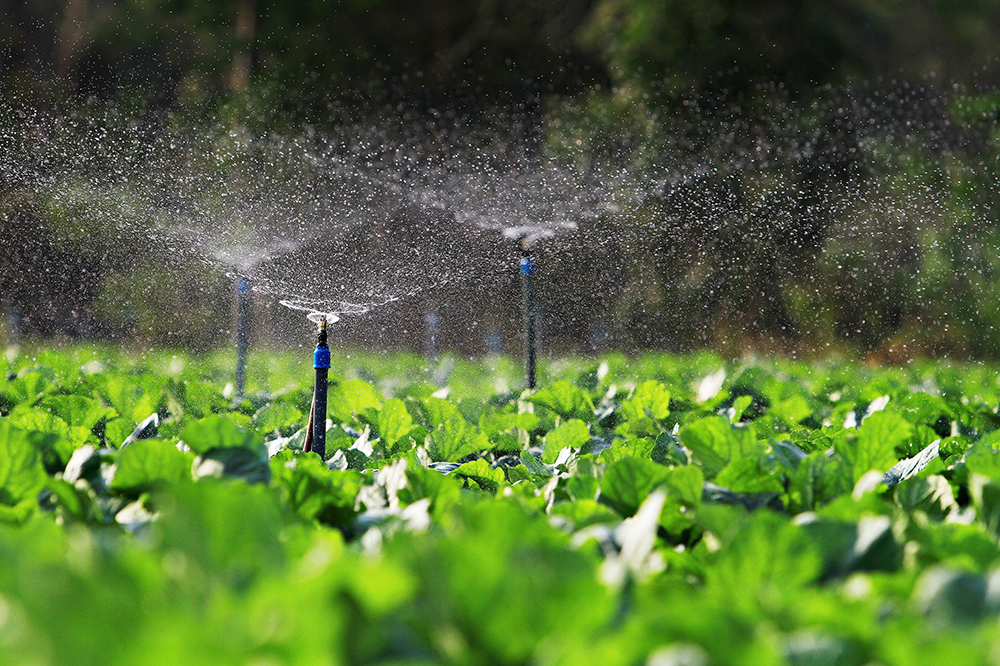
“One of my key pillars for a profitable farming industry is helping the [farming] sector withstand shocks from extreme weather and climate change. To do this, we must adapt for the future and that includes changing how we work with water.”
The words of Defra secretary Steve Reed as he called on farmers to “act differently” in order to help clean up our waterways and protect this vital resource. The tone of his op-ed in Farmers Guardian was by turns positive and pushy. Reed said farmers need better support and information to stop pollution getting into our waterways, which will involve “more inspections”.
Indeed, there will be up to 6,000 by 2029. Last year inspections were a shade over 4,500. In 2018/19 the figure was just 403, according to a Freedom of Information request by Salmon & Trout Conservation, an NGO.
Inspections will be prioritised at farms that present the highest risk to water quality, particularly in areas where rivers or groundwater have already been affected by agricultural activity, or where large volumes of slurry and waste are handled, such as dairy farms in protected catchments.
Agricultural pollution is the main cause for 45% of water bodies failing to achieve good status under the Water Framework Directive. That’s slightly higher than sewage pollution. Defra has already published advice and an accompanying video for how farmers can prepare for an inspection. The prospect of a visit from Environment Agency officers has seen levels of stress and anxiety rising among the farming community; not surprising given the current compliance rate for environmental inspections across this sector is just 50%.
It is not just pollution that farmers – and the wider food chain – must be mindful of. In July, the BBC reported that more than 150 farmers have been caught taking too much water from rivers, lakes and underground sources.
A new analysis of Agriculture and Horticulture Development Board (AHDB) yield estimates produced by the Energy & Climate Intelligence Unit (ECIU) suggests that the UK is on course for its fifth worst harvest since 1984, when detailed records began. The UK suffered one of the driest springs on record, which hit the development of arable crops such as wheat, oats and barley at a crucial time, with significant regional variations depending on soil type and rainfall.
The anticipated poor harvest followed last year’s even worse output, said ECIU, with 2024 being the third worst UK harvest on record after extreme rainfall made worse by climate change hit farmers’ ability to establish and manage their crops.
Tom Lancaster, ECIU land, food and farming analyst, said “this is what farming in a changing climate looks like, with huge implications for our farmers, food production and UK food security”. Lancaster called for “more and better support” to help adapt to these extremes, with a focus on green farming measures that can boost resilience and improve the health of soils. Achieving net-zero is also crucial, he suggested.
It never rains…
“The UK is known for its variable weather, but it will have a future climate that is even more variable and extreme,” noted researchers in a piece for Carbon Brief on UK drought patterns. Expect more “flash droughts” and for hotter temperatures to “worsen drought impacts”, they wrote this month.
“[T]he droughts of recent years should be interpreted as a warning that hotter temperatures will worsen drought impacts. However, we are much less confident that we will see more long, multi-annual droughts driven by dry winters that fail to replenish reservoirs and aquifers,” they added. And that’s because there will be wetter winters.
… It pours.
This week’s other stories include one on water (its flow across borders within food), while Kate Cawley from the Future Food Movement explains how food sector leaders feel stuck in a high volume, low price, and vulnerable system. We also cover the results a study assessing the Better Chicken Commitment through the Welfare Footprint Framework.
· Food trade and the flow of virtual water presents an “environmental injustice”. More
· The (tiny) price of reducing pain in poultry flocks. More
· A cracked food system can create opportunities, says Kate Cawley. More