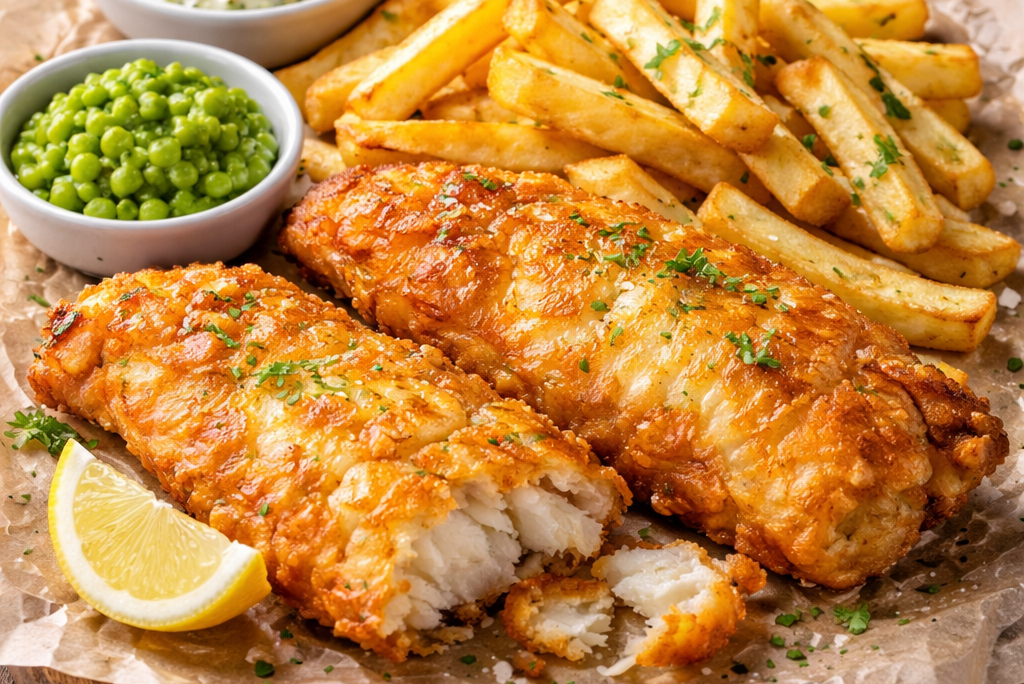
UK-caught cod is no longer a sustainable option for restaurants and caterers, according to the latest scientific advice. The Marine Conservation Society (MCS) published an update to its ‘Good fish guide’ this week which saw cod stocks from north of the UK move further down the sustainability scale, leaving no recommended choices for UK-caught fish. It’s the latest blow for sellers and lovers of cod for which the market price has soared in recent months due to overfishing and reduced quotas. Foodservice represents more than 50% of the cod volume sold in the UK, largely due to our love affair with takeaway fish and chips.
MCS said several UK cod populations have been in decline since 2015 due to overfishing, climate-driven changes in sea temperatures, and ecosystem pressures that affect breeding and juvenile survival. It did however note that better-managed fisheries, such as those in Iceland, remain a more sustainable option. Farmed cod is also emerging as a commercially available alternative to wild-caught.
It’s not just cod that’s found itself at the sharp end of the latest scientific advice. Langoustine, often described on menus as scampi, is in the spotlight too amid growing sustainability concerns. Some ratings for langoustine have been downgraded in the latest guide because fishing levels have been above scientifically recommended amounts in recent years and populations are declining. The sustainability of langoustine has always varied depending on how and where it is caught, with MCS suggesting langoustine caught by pot or creel is currently a better option than trawled.
Elsewhere, mackerel is now red-rated, meaning buyers and consumers are advised to completely avoid it. Waitrose took the lead recently in taking mackerel off its shelves, a move characterised by head of agriculture, aquaculture and fisheries, Jake Pickering, as the retailer “taking a decisive stand against overfishing to safeguard the long-term health and sustainability of our oceans”.
It’s not all bad news for seafood lovers. The guide recommends European hake as a more sustainable alternative to cod for a flaky, white fish, with UK stock levels currently healthy. Some UK haddock remains a good option too, depending on where it is caught – haddock caught in the North Sea or West of Scotland is considered a good choice. As an alternative to langoustine, meanwhile, the guide has added a new rating for UK farmed king prawns. These are produced in Scotland under a completely closed system and have a much lower environmental impact, according to MCS. Other well-managed UK options include seabass from the North Sea, English Channel and Celtic Sea, or plaice from the North Sea, as well as some UK farmed seafood like blue mussels and freshwater trout, which offer more sustainable local alternatives.
MCS said consumer choices can support healthier local fish stocks and better-managed fisheries. It also called for improved management of domestic fisheries to help rebuild stocks and reduce reliance on imports, alongside strong action from the UK Government to support a transition to low-impact fisheries and sustainable seafood farming
Small Bites
Chicken shed rules could be relaxed
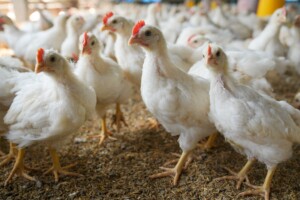
Concerns have been raised that changes to UK planning rules will make it easier to build the kind of large-scale, intensive chicken farms that contribute to river pollution and other environmental issues. Documents obtained by The Guardian under the Freedom of Information Act showed that proposed changes to the national planning policy framework (NPPF) were discussed by ministers and officials in response to persistent lobbying by the country’s leading chicken producers and their representatives. The paper cited a poultry industry roundtable held in January at which the food and farming minister, Angela Eagle, talked of proposals to reform the planning system “to more quickly unlock food and farming infrastructure”. The article noted how the draft NPPF includes several measures that could make it easier to approve new intensive livestock developments, including a higher bar for refusing applications on environmental grounds, less scope for local authorities to adopt tougher rules, greater weight to domestic food production and a new emphasis on better accommodation for livestock. A government spokesperson rejected the suggestion that the proposals were linked to lobbying. The poultry industry has insisted new chicken farms are needed to maintain current production levels amid a voluntary shift to lower-stocking densities. A group of leading hospitality brands including KFC and Nando’s recently quit the ‘Better chicken commitment’ over the requirement for a transition to slower-growing breeds of chicken which they believe will place further pressure on supplies. Campaigners, however, say food production should not be used as an excuse to justify harmful and polluting systems.
GCA move strengthens fairness
Responsibility for overseeing the Groceries Code Adjudicator (GCA) will transfer from the Department for Business and Trade (DBT) to the Department for Environment, Food and Rural Affairs (Defra) in a move ministers say will strengthen fairness across the UK food supply chain. The GCA is responsible for ensuring fair trading relationships between the UK’s largest grocery retailers and their direct suppliers. It does not cover indirect supply chain relationships nor are the UK’s leading foodservice companies within its scope, despite calls over the years from campaigners and farming groups to expand the GCA’s remit. The change, which will come into effect from July 1st this year, implements a key recommendation from Baroness Minette Batters’ ‘Farming profitability review’ to streamline oversight of the grocery supply chain and strengthen links to the Agricultural Supply Chain Adjudicator (ASCA). The ASCA sits within Defra and enforces fair dealing rules for dairy and pigs between farmers and buyers. The decision to bring the GCA into Defra’s orbit received a cautious welcome by campaigners. “It makes sense to bring the GCA and ASCA closer together – something we and others have long called for,” said Food Ethics Council executive director Dan Crossley. “Moves like this, to make government policy and regulation relating to food and farming more joined up, are welcome. What’s crucial though is to maintain and strengthen the independence of the regulators, so that those seeking to maintain the status quo are not allowed undue influence.”
Sugar growers rewarded for sustainability
UK sugar beet growers that adopt more sustainable practices will benefit financially under a new agreement. British Sugar, which supplies 60% of the UK’s sugar market, has announced a partnership with the Soil Association Exchange programme to reward its growers for improvements in UK sugar beet production’s sustainability credentials. Soil Association Exchange allows businesses within a farm’s value chain to make payments to farmers in return for verifiable improvements in key environmental indicators like carbon, soil, water and biodiversity. Growers participating in the voluntary scheme will receive 50% of the incentive upfront to support the changes on farm. Dan Green, agriculture director at British Sugar, said the initiative “reflects our commitment to helping growers meet rising environmental expectations while continuing to supply customers with responsibly produced homegrown sugar”. Joseph Gridley, CEO at Soil Association Exchange, noted how trying new farming practices inherently carries risk. “We hope this new financial and advisory support will give the reassurance that farmers need and accelerate the transition of sugar beet to a more resilient and lower emission future,” he said.
Chef’s Special
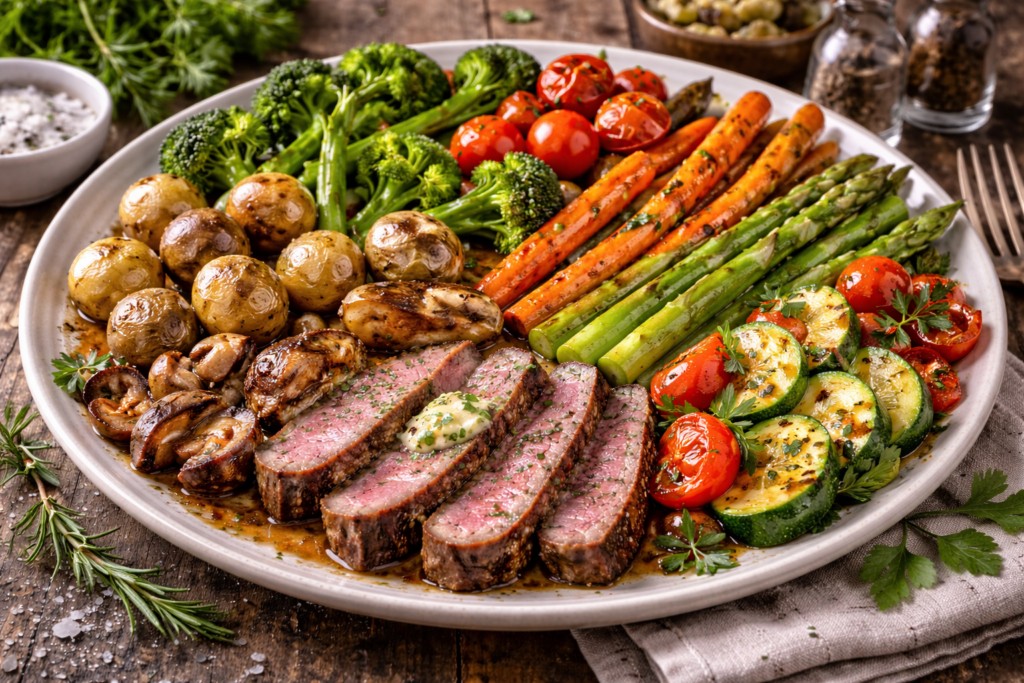
Reducing meat servings while keeping diners happy is the holy grail for foodservice operators looking to reduce the environmental impact of their menus. New evidence from Italy suggests the balance is achievable. A study carried out by researchers in a four-star hotel in Italy over a 4-week period saw chefs reduce meat portions across six dishes by an average of 22% and increase vegetable portions on the same dishes by 17% with no impact on customer satisfaction versus a control period and no increase in plate waste. The research, published in the journal Ecological Economics, set out to explore whether guests would compensate for smaller default meat portions by requesting additional meat, which was made available by the hotel on request. They found no significant evidence of compensatory behavior, such as people ordering larger or additional meat portions within the same meal. Rather, they found that reducing meat portion sizes while increasing side dish and vegetable portions led to lower meat consumption overall and higher side dish and vegetable intake without a change in guest satisfaction. Their key takeaway? “Default portion-size nudges subtly promote healthier and more environmentally friendly eating habits.”
Last Orders
Greenwashers attending next month’s London Wine Fair should beware the risk of being fingered for their spin. Sustainability will take centre stage at this year’s event, including a session titled ‘Bullsh!t bingo’ which will call out greenwashing in drinks communications. The event, which takes place between May 18th and 20th, will host its first-ever sustainability hub, designed by consultancy Impact Focus and aimed at drinks companies wanting to embed sustainability into how they work. Other sessions will focus on sustainability data, carbon reduction among wineries, and water usage and scarcity, among other key environmental issues facing the sector. “At a time when the industry is under increasing pressure, smart drinks businesses have realised sustainability offers a real opportunity to unlock competitive advantage, as well as cost savings,” said Rosie Davenport, founder of Impact Focus.