
As evidence mounts of the human costs of climate change world leaders struggle to meet the moment – with food’s impact largely unaddressed
Another year, another climate summit and – should the fears of many scientists and campaigners be borne out – another year of tinkering around the margins of decisive climate action.
This year’s event, the 31st conference of the parties (COP31) to the UN framework convention on climate change taking place in Antalya, Turkey, kicked off with a stark warning by the World Meteorological Organisation (WMO) about the threat to the environment, economy and everyday life from climate change.
The WMO’s ‘State of the climate update 2026’ showed the past 12 years have individually been the warmest on record, with the past four years filling the top four places. The global average surface temperature for January to September 2026 was about 1.47°C above the pre-industrial average – a figure likely to rise by the end of the year due to the warming effect of El Niño, which has been intensifying since August and is expected to be the strongest on record by December.
Sea level is the highest on record, and sea-surface temperatures hit monthly records during 2026. The long-term retreat of glaciers continues, while freshwater storage has been dwindling since 2014.
Extreme weather events like heatwaves, droughts and tropical storms are becoming more frequent and severe, impacting lives and livelihoods. More than 50,000 heat-related deaths are estimated to have occurred in urban areas across Europe during the summer just gone, with around two-thirds attributed to human-induced climate change, according to research by the London School of Hygiene and Tropical Medicine and Imperial College London.
“We have entered a new age of climate extremes,” said UN Secretary-General António Guterres on the eve of COP31. “A supersized El Niño is colliding with a planet already superheated by manmade climate change. Climate records keep falling. The human costs keep rising. And those least responsible are suffering first and worst.”
WMO secretary-general Celeste Saulo stated the facts bluntly when he declared: “El Niño and indeed the state of the global climate in 2026 gives new meaning to the phrase off the charts.”
Bill McGuire, a professor emeritus of geophysical and climate hazards at University College London, turned the rhetorical amp up to 11 when he told The Guardian that “every measure reported, whether it be global temperature, sea level rise or sea ice extent, points to the fact that we are in deep shit”.
Guterres told world leaders gathering in Turkey they must get serious about climate change by cutting emissions faster, accelerating a just transition from fossil fuels and delivering the finance and protection vulnerable countries need.

Words trump action
Yet, despite the earnest rhetoric that has peppered leaders’ speeches during the first week of COP31 (due to close on Friday 20th November), the impression being projected by the actions of many governments is of an ongoing disconnect between the fundamental risk a warming planet poses to economic stability and future prosperity, and the steps the world’s power brokers are prepared to take to curb future emissions – specifically the ongoing failure to agree a pathway to a fair phase-out of fossil fuels.
There is fear – or worse still a sense of inevitability – that COP31 will follow a recent pattern whereby governments acknowledge the need to move beyond fossil fuels but fail to agree a plan for how to make it happen. COP30 was billed by the Brazilian presidency as the COP of implementation, yet negotiators failed to reach consensus on a commitment to transition away from fossil fuels in the final text.
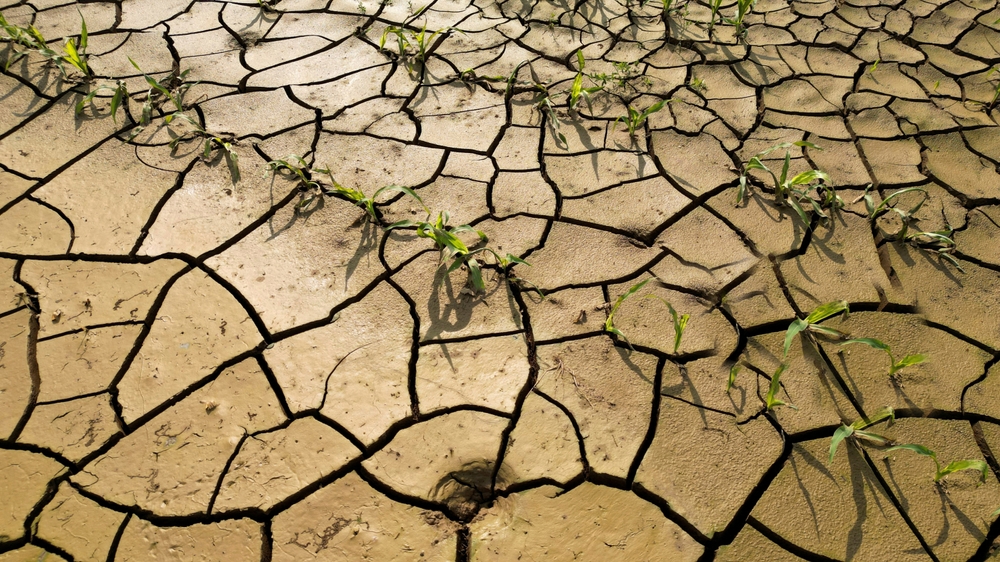
Food security is at particular risk from climate inertia. The WMO report noted how El Niño is already increasing risks for agriculture in key seasons and production systems, especially in areas where there is already high food insecurity and heavy reliance on rainfed agriculture.
Despite accounting for around a third of global emissions, food systems took a long time to make it onto the main COP agenda. Food and farming has featured more prominently since COP28 staged in Dubai in 2023, albeit outcomes have tended to sit outside the formal negotiated text where references have mostly been limited to adaptation.
As The Wildlife Trusts’ Vicki Hird noted in a blog following the Dubai meeting, one valuable outcome was the declaration signed by 159 countries, including the UK, that recognised how unprecedented adverse climate impacts are increasingly threatening the resilience of agriculture and food systems, and the “profound potential of agriculture and food systems to drive powerful and innovative responses to climate change and to unlock shared prosperity for all”. Hird wrote that the declaration was “hugely useful and sends a powerful signal”, but with the caveat that it “lacked strong targets and clear steps. Nor was it an official UN COP outcome.”
Food fail
Fast-forward to COP30 in Brazil last year and food system experts were warning that industrial agriculture’s fossil fuel dependency remained unaddressed. The International Panel of Experts on Sustainable Food Systems (IPES-Food) noted how food appeared only once in the final negotiated text, as a narrow indicator on ‘climate resilient food production’ under the global goal on adaptation. “Food systems – which governments claimed were central to climate action – have been erased from these negotiations,” said Raj Patel, IPES-Food panel expert, adding that this was “not by accident” but the result of “capture by corporate interests”.
A year on and it’s hard to escape the conclusion that talk of food systems transformation, both within industry and governments, is still largely that – talk. Footprint reported recently how leading businesses including McDonald’s and Starbucks are struggling to decarbonise large, legacy operations, leading to questions over whether they remain fully committed to emissions reduction.
A group of food industry insiders, meanwhile, returned this autumn with a fresh warning about a lack of urgency within boardrooms over tackling chronic environmental risks, despite the summer of extreme weather having served as a vivid example of the vulnerability of food production in a warming climate. Rather than investing in more resilient, local food systems, the insiders claimed businesses continue to prioritise short-term fixes like switching sourcing to alternative regions and ingredients.
The UK Government too continues to dither over its own food strategy for England which remains a set of aspirational outcomes – including for a food system with “greater preparedness for supply chain shocks, disruption, and impacts of chronic risks” – rather than an action plan with measurable targets and indicators of progress. (Amy Ferguson, DEFRA’s deputy director for food strategy, told a recent Westminster Food and Nutrition Forum that a monitoring and evaluation framework is due to be published next year.)
Security framing
Advocates for a decisive government response are clinging onto the hope that evidence of the economic damage caused by extreme weather will act as a catalyst. Reuters reported how leaders at COP31 are trying to tailor the case for climate action to the times by framing it around bolstering the economy and bringing down the cost of living.
UK foreign secretary Ed Miliband told delegates of the urgent need to treat climate breakdown as an issue of national security – “whether it’s food security, infrastructure security [or] population movement”.
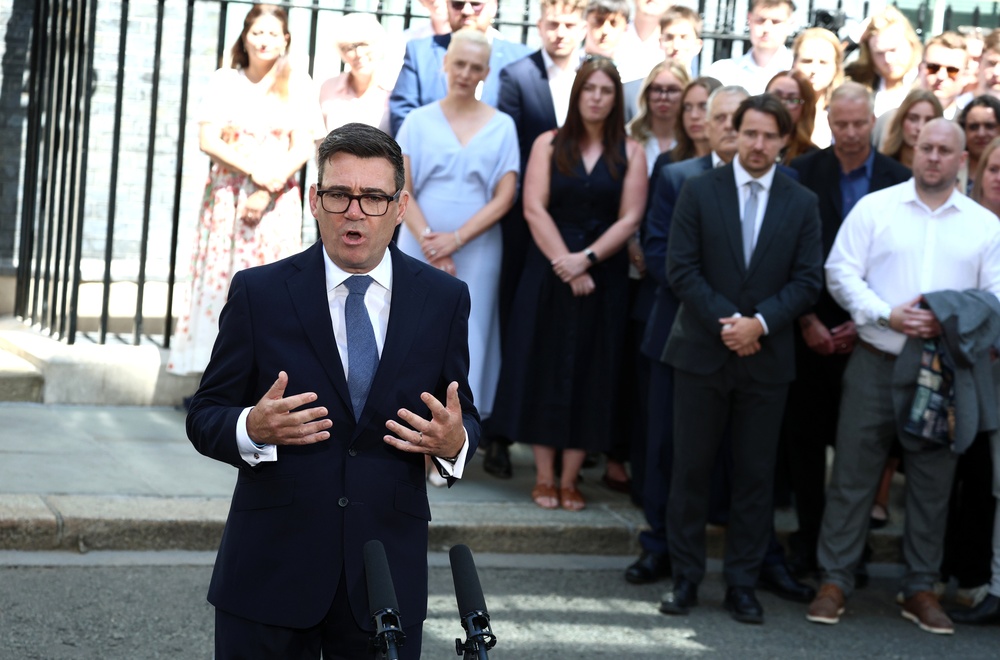
His boss, Prime Minister Andy Burnham, jetted in on Thursday to pledge a new era of British leadership on climate as he restated his government’s commitment to achieve net-zero by 2050. Burnham joined Miliband in framing action on climate “as a national security issue”, stressing how “the shift to clean energy is the only route to energy security”.
Burnham’s announcement that ministers have approved two major new offshore wind farms was designed to show a government translating words into actions, as was the appointment of the world’s first special representative for climate security, Madeleine Alessandri, former chair of the joint intelligence committee, whose job it will be to advise the government on national security risks from the climate crisis.
Yet it remains unclear just how far Burnham’s government is prepared to push the climate agenda versus other priorities. The Guardian reported how energy secretary Miatta Fahnbulleh is minded to refuse environmental permission for the controversial new Rosebank oil field; the chancellor, John Healey, on the other hand is said to be in favour of the scheme, as is Burnham himself according to some reports. The government is also expected to slash the target for zero-emission cars from 80% of new car sales by 2030 to around 60%, while in his recent budget Healey cut future funding for carbon, capture and storage projects and the ‘Warm homes plan’ which provides grants to households replacing gas boilers with heat pumps.
The New Statesman reported that Miliband, Fahnbulleh and Burnham want to champion climate leadership: “But an unrelenting focus on affordability is the direction Burnham has set, with no exceptions”. Critics counter that it’s a mistake to conflate net-zero investment with cost-of-living pressures when investment in things like better insulation, greener heating and renewable power can help bring bills down over the medium-to-long term (while the question of who pays the near-term cost is a political choice).
Waste focus
Back in Antalya, an estimated 90,000 people are due to attend this year’s COP (amid reports of logistical chaos), attracted by a dizzying menu of meetings, press conferences, main and side events and those all-important negotiations. Food will again feature prominently around the fringes, with a veritable bingo-card of well-worn conference topics up for discussion, including climate-smart agriculture, decarbonising supply chains and the role of sustainability standards.
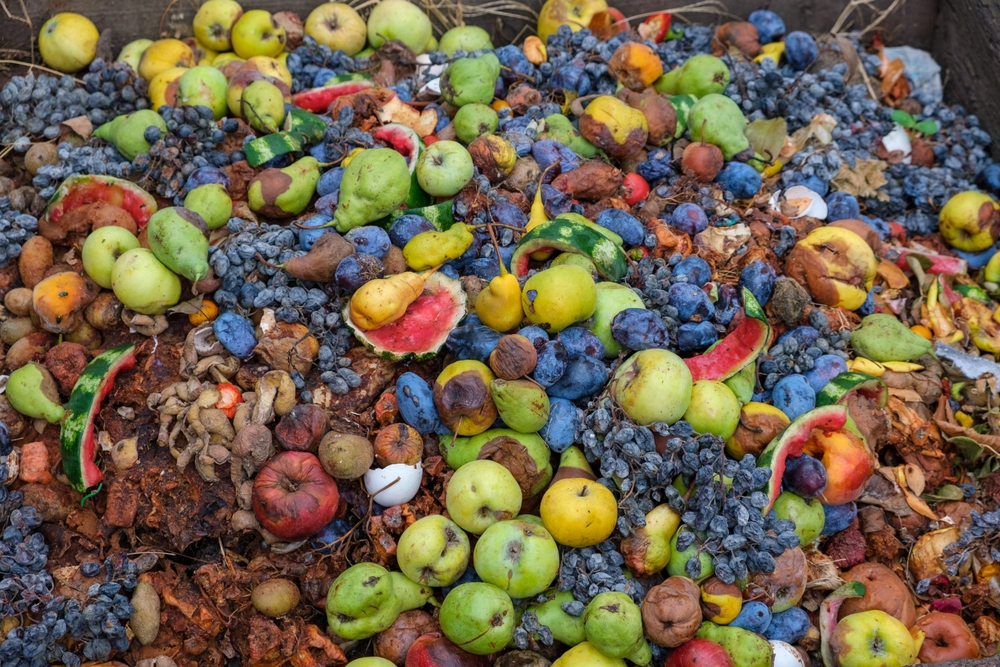
Waste and resources is a particular theme of COP31 with events taking place within a dedicated Zero Waste Museum. WRAP, the circular economy NGO, is on the ground trying to push food waste up the global climate agenda and assert its view that reducing food waste is one of the fastest and most effective ways to cut emissions, strengthen supply chains, improve resource efficiency and deliver significant financial, environmental and social gains for businesses and households at a time of rising costs and growing climate pressure. “We know what works, and many countries around the world are already acting, but we need to scale this,” said Catherine David, CEO WRAP.
WRAP is also involved in sessions on how to limit the volume of methane from food waste. Methane, a potent greenhouse gas of which agriculture and in particular livestock production is the largest human source, remains a blind spot among many food businesses and regulators. None of the 20 global retailers assessed in a recent study by Changing Markets Foundation as part of its ‘Methane action tracker’ has taken any action on livestock methane despite more than half having publicly recognised its effect on climate change.
The EU too has no absolute reduction target for agricultural non-CO₂ emissions, putting it out of step with the 30% cut by 2030 committed under the ‘Global methane pledge’, which it co-founded at COP26 in Glasgow. The UK is also a signatory to the pledge but is only on track for a 19% reduction in methane emissions by 2030, according to a report by Green Alliance from May 2025 in which the think tank called for the government to publish a national methane action plan (methane will be the subject for next week’s The Small Print podcast).
With a week of negotiation still to go, all eyes will be on that crucial final text due to be agreed on Friday. Will the world’s most powerful nations finally meet the scale of the climate challenge? Or will yet another grandiose gathering end in a cop-out?
Further reading
Will Burnham warm to food and climate agenda?
As the new prime minister spends his early days in office focusing on living standards, could it be that the most useful clues to his views on food policy are to be found in his past?
Why is food still absent from UK carbon plan?
Ruth Westcott from Sustain reflects on the absence of food from the UK’s plan to lower carbon emissions and why ministers are scared to talk about the need for dietary change



Leave a Reply