NICK HUGHES
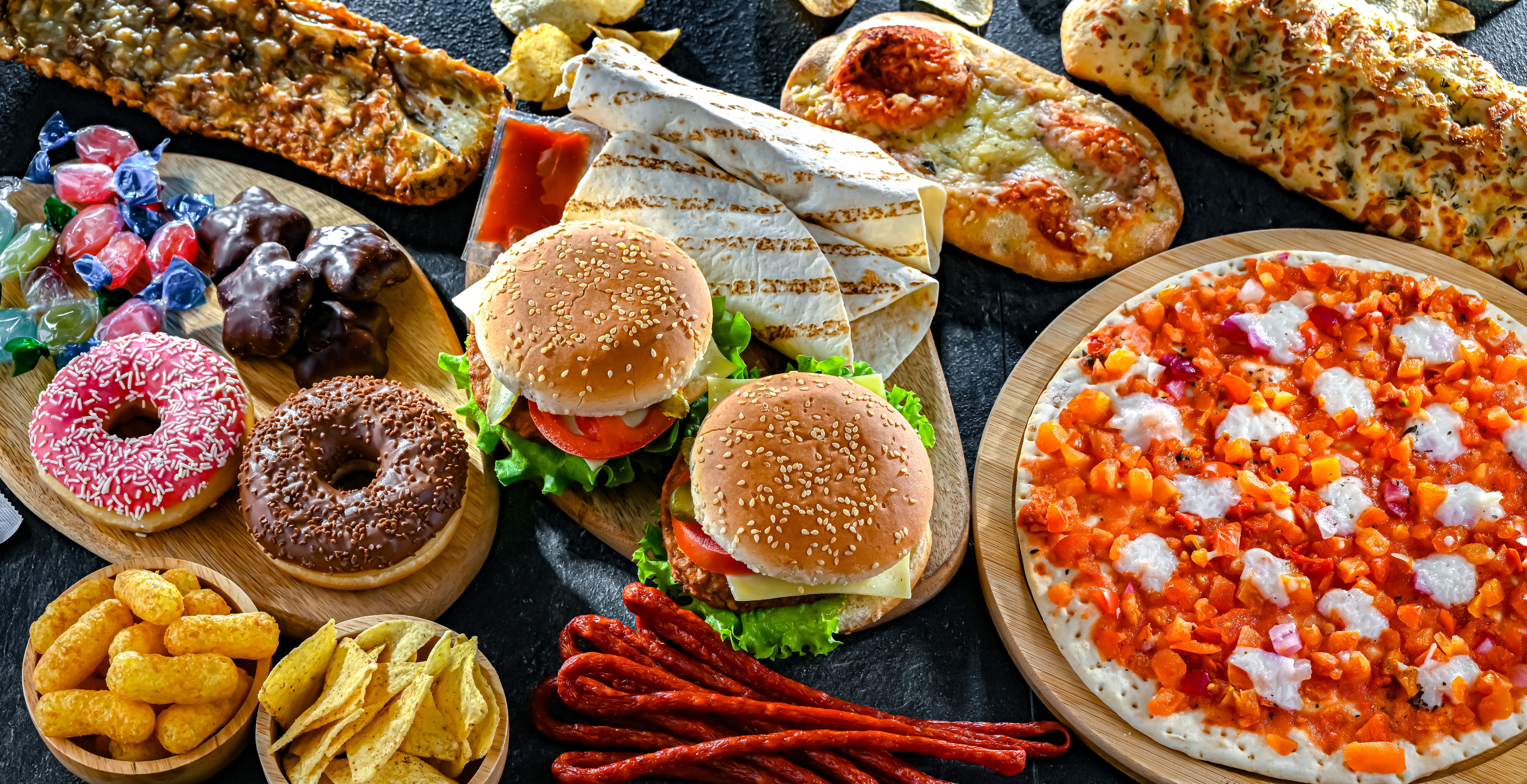
Taxing unhealthy foods has long been seen as a high-impact solution to the UK’s obesity crisis. Henry Dimbleby proposed taxing sugar and salt in his ‘National food strategy for England’, but the proposal never took flight as it coincided with the Covid-19 pandemic and subsequent cost of living crisis. And while it’s true the UK’s soft drinks industry levy (SDIL) has successfully driven targeted reformulation in drinks, there is currently no equivalent tax on unhealthy food nor any noise from ministers that one could be forthcoming.
This week, Nesta, the innovation agency for social good, published a new report exploring the costs and benefits of taxing unhealthy food in a UK context. The headline finding is that such a tax could reduce rates of adult obesity in the UK by 16%, while increasing the cost of the average basket of groceries by just 1%. It would do this by incentivising product reformulation and motivating consumers to choose healthier, untaxed options.
Nesta commissioned Oxford Economics to model the impact of a tax based on the UK Government’s nutrient profiling model (NPM), which classifies food products as less healthy based on the balance of nutrients they contain. It said an NPM-based policy targeted at 12 specific categories of less healthy ‘discretionary’ foods would give food businesses greater flexibility to avoid the tax by making small adjustments to nutrients – reducing saturated fat, sugar and salt, or increasing fibre for instance – as opposed to taxing a single nutrient like sugar. (This more targeted approach has worked for soft drinks where sugar is the single nutrient of concern.)
The modelling suggests the tax could deliver health benefits comparable to the most ambitious obesity reduction policies. In its central scenario, Nesta says adult obesity prevalence in the UK could fall by 16-19% over five years and the policy could generate up to £1.6bn in annual tax revenue with the unhealthiest products seeing price increases of up to 30%. Nesta says the revenue could be reinvested into public health programmes.
A tax on unhealthy foods is considered one of only a small number of policies that have the potential to deliver the large-scale reductions needed to halve obesity by 2030. One is a significantly scaled-up rollout of weight-loss drugs, with the other being the setting of mandatory healthy sales targets for food businesses.
It is the latter that Nesta says remains the most effective policy option. The organisation has been key to developing proposals for a healthy food standard for large businesses, which was adopted as UK government policy in last summer’s 10-year health plan for England. Nesta’s analysis found the policy has the potential to impact obesity rates by 20%, while remaining low-cost to the government, businesses and consumers. That’s in part because it gives companies the flexibility over which tactics they can use to meet targets, meaning costs are minimised and are less likely to be passed on to the public.
In the short term, it’s hard to see a food tax passing muster with ministers still desperate to show they are tackling the cost of living. As a full-scale conflict envelops the Middle East, energy prices are heading back on a sharp upwards trajectory. Food price inflation, which had been coming under control, is expected to suffer the ripple effects.
Small Bites
Sodexo slashes supply chain emissions
A focus on food waste reduction and menu reformulation has been key to driving a fall in carbon emissions for Sodexo UK & Ireland. The caterer published its latest net-zero progress report this week in which it reported a 44.5% reduction in absolute scope 1, 2 and 3 greenhouse gas emissions, exceeding its 2025 target for a 34% drop. Sodexo has focused its net-zero efforts around three core pillars: responsible sourcing, sustainable eating and on-site resource efficiency. A 68.9% reduction in scope 1 and 2 emissions has been achieved by sourcing 100% renewable electricity and switching to hybrid or electric vehicles among other measures. Scope 3 emissions have fallen by 43.8% compared to its 2017 baseline including a 24.6% reduction in supply chain emissions which account for the lion’s share of the scope 3 total. Sodexo said 20,000 recipes have been measured for their carbon footprint, giving chefs the insight to re-engineer menus to create tasty, nutritious and low-carbon dishes. It added that a 50.2% reduction in food waste has been achieved by taking a data-driven approach. “By embedding lower-carbon practices into operations, we are helping clients move faster towards their own net-zero ambitions while strengthening resilience and long-term value,” said Claire Atkins Morris, sustainability & workplace culture director for Sodexo UK & Ireland.
Helsinki votes for plant push
Helsinki will halve the amount of meat and dairy bought for public sector meals following a landmark vote by the city council. Plant-based meals and ingredients are set to replace much of the meat served in settings including schools and hospitals. Councillors for Helsinki City Council passed the resolution by a vote of 57-23. The initiative in the Finnish capital was inspired by the ‘Half better’ campaign jointly launched by Greenpeace, the Finnish Nature Association and Animalia. It called for a 50% reduction in the purchase of animal-derived products in public procurement to reduce the impacts of climate change and habitat loss and improve animal rights. Similar steps have been taken across localities in Finland. “Helsinki is setting an example for the whole of Finland that a change towards food that is better for the climate, health, animals and the local economy is possible,” said Greenpeace climate and energy expert Olli Tiainen.
Calls to end the cage age
EU citizens have expressed strong support for phasing out the use of cages for farmed animals. The EU Commission has published the results of its public consultation on modernising animal welfare laws. Responses showed strong support for transitioning to cage-free farming systems and implementing equivalent animal welfare standards for food imported from non-EU countries. The Commission received more than 190,000 responses, of which 99% came from citizens. Ninety-nine percent of respondents, including 54% of businesses, said phasing out cages for laying hens is important or very important, with 99%, including 46% of businesses, saying the same about cages for pigs. A majority of companies said clearer and more consistent EU rules for on-farm animal welfare would help ensure fairer conditions for farmers across the member states. Businesses also highlighted that EU funding is essential to making change possible. “People across Europe are calling for farming that is fair, compassionate and fit for the future,” said Vinciane Patelou, head of Compassion in World Farming’s EU office. “The mandate is there, now the Commission must show leadership and bring forward legislation to end the cage age for good without further delay.”
Chef’s Special
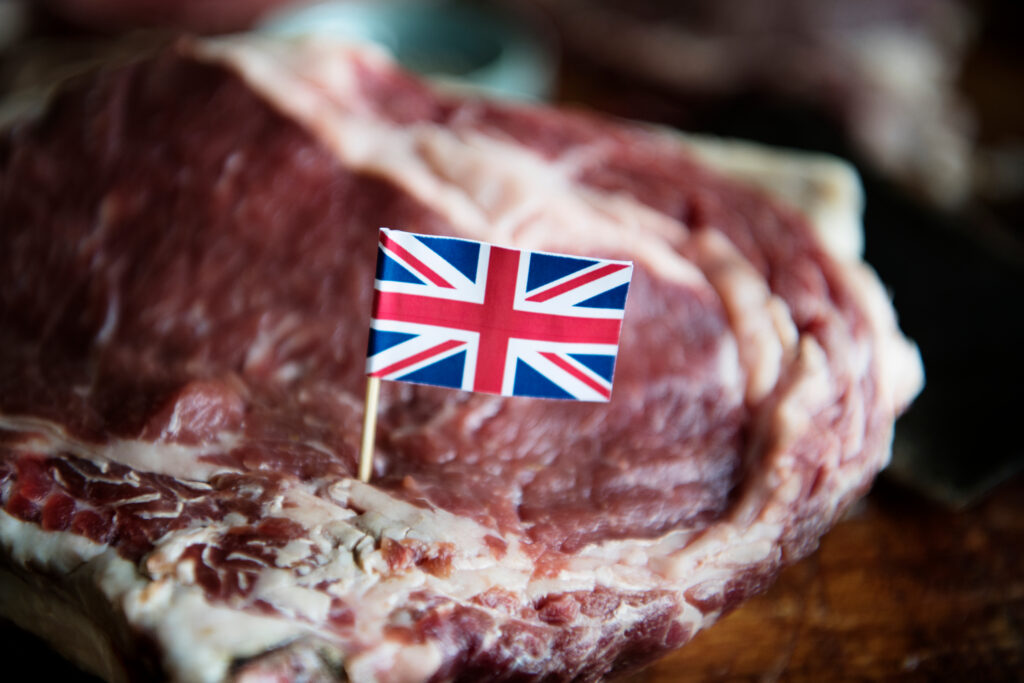
Ministers were banging the drum for British food exports this week as the first tariff-free shipment of UK beef arrived in the US. Both countries agreed to implement a reciprocal 13,000 tonne quota for beef under the recent UK-US economic prosperity deal. Defra secretary of state Emma Reynolds led what the UK Government described as the first dedicated agricultural trade mission to the country with the aim to “showcase the UK’s world-renowned food and drink to the world’s largest consumer market”. The beef shipment was sent by Foyle Food Group, Northern Ireland’s biggest red meat exporter. British cheese, seafood, spirits and English sparkling wine were also promoted during the trip. “British beef is world-class, and American consumers deserve access to it,” trumpeted business and trade secretary of state Peter Kyle. Meanwhile, in a seemingly parallel universe, the UK’s Climate Change Committee continues to urge ministers to support consumers to replace some beef and lamb consumption with lower-carbon foods in order to meet net-zero targets.
Last Orders
There has been much musing in the trade and national media this week over where it all went wrong for Brewdog, the self-proclaimed ‘punk’ brewer and pioneer of the mainstream craft beer movement that was sold to US company Tilray Brands this week in a cut-price £33m deal. There has been sympathy expressed for ‘equity punks’ who helped bankroll Brewdog’s expansion via crowdsourcing campaigns and have been left high and dry following the sale. Thirty eight of Brewdog’s bars in the UK and Ireland have closed with immediate effect, with 484 staff being made redundant. Co-founder and figurehead, James Watt, said he was “heartbroken to have dedicated the best 20 years of my life to something that ultimately did not have the ending we all wished for”. Although it commanded a loyal following, Brewdog has also been embroiled in its fair share of controversy. Watt faced accusations from former employees of fostering a toxic culture characterised by bullying and misogyny, while in 2024 Brewdog was rebuked by the Advertising Standards Authority which ruled that its carbon negative adverts were misleading.
Further reading
Food strategy needs a dominant driver
The vision is compelling, but the government’s ability to deliver a better food system will live or die by the level of buy-in from Whitehall’s centre

A nation in need of a sugar solution
The UK supply of sugar is three times what we should be eating for our health. No wonder obesity strategies continue to fail