
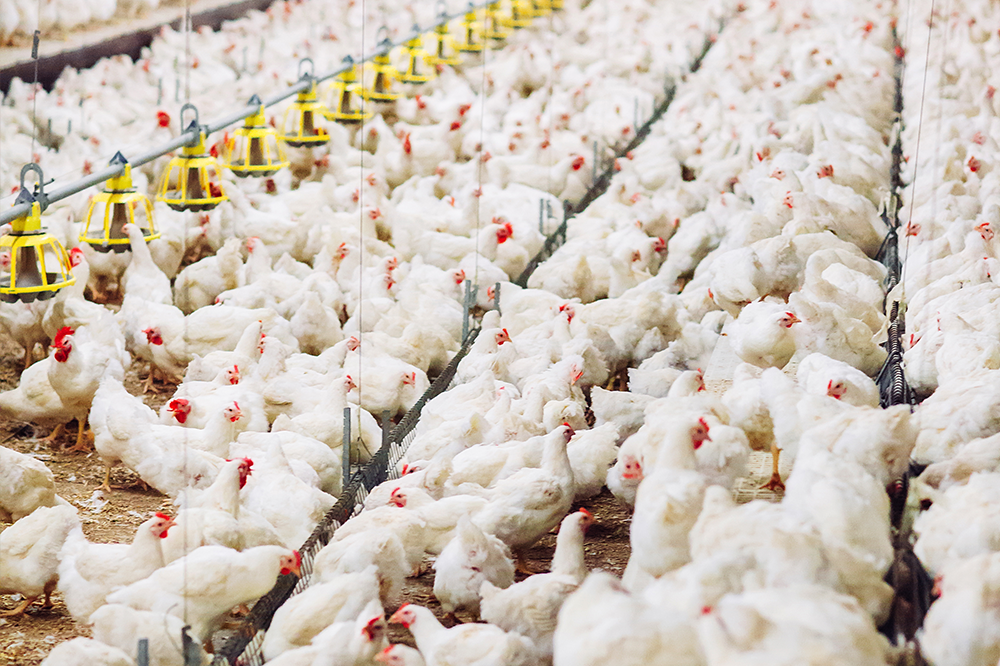
Less than a month after a group of leading hospitality businesses withdrew from the Better Chicken Commitment (BCC), a mixed bag of industry progress on broiler welfare has been laid bare in a new scorecard.
On Thursday, Compassion in World Farming published its latest report evaluating how leading food companies across Europe are progressing toward meeting the higher welfare criteria of the BCC.
This year’s results still feature the 18 UK brands, including KFC, Burger King, Nando’s, Pizza Hut and Wagamama, that have withdrawn from the commitment and launched their own breakaway ‘Sustainable chicken forum’. A key driver of the split was a lack of progress toward a shift to slower growing breeds with forum members claiming they are hamstrung by current market and operational dynamics.
Compassion said breed remains the most challenging area for improvement with 36 out of the 107 most influential signatories assessed (out of a total of 410 that have committed to the BCC) reporting less than 10% transition on breed and 17 reporting 0%, including Compass Group, Burger King and Papa Johns. Waitrose, by contrast, has completed its transition to slower-growing breeds, jumping from 14% to 100% compliance in the past year alone, a result that means it has achieved full BCC compliance ahead of the 2026 deadline. Compassion said this shows that full transition is achievable.
Improvement in stocking density has also proved a challenging criteria for many businesses to meet, although compared with breed there are some encouraging signs of progress with eight companies having achieved 100% transition to a maximum stocking density of 30kg/m2 or less, including Greggs, Marks & Spencer and Pret. Nando’s has reached 92% compliance, despite being among the brands to have split with the BCC, while Papa Johns has reached 69%.
Across the board, the strongest progress has been made on the provision of natural light, enrichment and the use of controlled atmosphere stunning.
Compassion has argued that improvement on each of the criteria is needed to improve overall chicken welfare. It expressed disappointment at the decision of eight UK companies that own or franchise 18 hospitality brands to withdraw from the agreement and plough their own furrow. It said the foodservice sector has already shown progress on several BCC criteria and should continue moving forward rather than reversing course, adding that signatories are demonstrating it is possible to balance welfare, cost and sustainability. Compassion has also offered timeline extensions to support companies with implementing the more challenging BCC criteria.
“Companies must stay the course, act decisively, and ensure that animal welfare sits at the heart of every supply chain decision. We applaud those companies leading the way and continuing their progress towards better chicken,” said Tracey Jones, global director of food business for Compassion in World Farming.
Keep an eye out on Monday for a special, feature-length edition of Footprint In Focus in which we take a deep dive into the industry split over chicken and ask what the future holds for broiler welfare.
Food ad rules not fit for purpose
Loopholes and gaps in new junk food advertising regulations could mean as little as 1% of current advertising spend is affected, research has concluded. Analysis by Nesta found restrictions will affect 8% of food and drink advertising spend, which could fall to 1% in the event that spend shifts into unregulated channels. The rules, which came into force in January, restrict advertising of products high in fat, sugar and salt (HFSS) within certain food and drink categories on TV before 9pm and online at any time. Although specific unhealthy products cannot be advertised under the new rules, companies can continue to advertise their brands and brand ranges. In practice, Nesta said this means McDonald’s could still legally run ads for its Happy Meal product range before the watershed and online at all times, even if it cannot advertise a specific Big Mac. It said the exclusion of outdoor advertising, a fast-growing channel, is another gap as is the exclusion of owned media and direct digital marketing, such as brands’ own websites, apps and direct messaging, which is often targeted at young people. Closing these loopholes and expanding the rules beyond the 13 categories of food and drink currently covered would mean the restrictions could affect up to 33% of total food and drink advertising spend, Nesta estimated.
UK confirms EU food law alignment
The UK will align itself with EU standards on nutrition labelling and regulation of pesticides as part of a new trading agreement. The UK Government has published a list of legislation in-scope of the ‘Common understanding’ agreement, struck with the EU last year with the aim of reducing barriers to trade, including delays at the border. Since leaving the EU, there has been some divergence from EU legislation, although in many areas relating to food this has been minimal. The UK plans to align with EU sanitary and phytosanitary (SPS) and food and feed safety legislation, as well as rules in nutrition-related areas like food supplements, health claims and labelling, along with rules relating to organics and regulation of pesticides and biocides. The government said the EU has accepted there will need to be areas where the UK retains its own rules and cited the importance of being able to set high animal welfare standards and support the use of new and innovative technologies. It is not clear what the agreement means for novel foods, which are covered by the agreement despite the UK having set out a clear pathway for approving cultivated meat products under a Food Standards Agency-led sandbox programme.
Net-zero transition more than pays for itself
The bank of evidence showing the economic benefits of net-zero expanded further this week after analysis from the Climate Change Committee (CCC) found that for every pound spent on delivering net-zero by 2050 the benefits outweigh the costs by between two to four times. The report, which is intended to complement the CCC’s 2025 advice on the UK’s seventh carbon budget, found that one fossil fuel price shock could cost the UK more than the entire additional cost of the transition to net-zero. Such a shock is already being threatened by the war in Iran which has sent the price of oil soaring beyond $100 a barrel, up from around $60 at the start of the year. “In light of current world events, it’s more important than ever for the UK to move away from being reliant on volatile foreign fossil fuels, to clean, domestic, less wasteful energy,” said CCC chair Nigel Topping. Avoiding damage caused by climate change is the most significant benefit of the transition, according to the analysis, which also shows the cost of wasted energy is halved.
Chef’s Special
Edible insects and 3D printed chocolate are among the novel foods that could be filling our plates and cupboards in the decade ahead. That’s according to experts at the Food Standards Agency and Food Standards Scotland who have compiled a list of the innovative food technologies most likely to reach the UK public during the period up until 2035. 3D food printing involves building foods like chocolate or mashed potato out of layering edible ingredients from a printer. Edible insects, meanwhile, may be sold whole as a snack or processed into powders and used as an ingredient. Cell-cultivated foods and those made with precision fermentation also make the list of technologies regulators say will have the greatest impact on the food system and require future regulatory consideration.
Last Orders
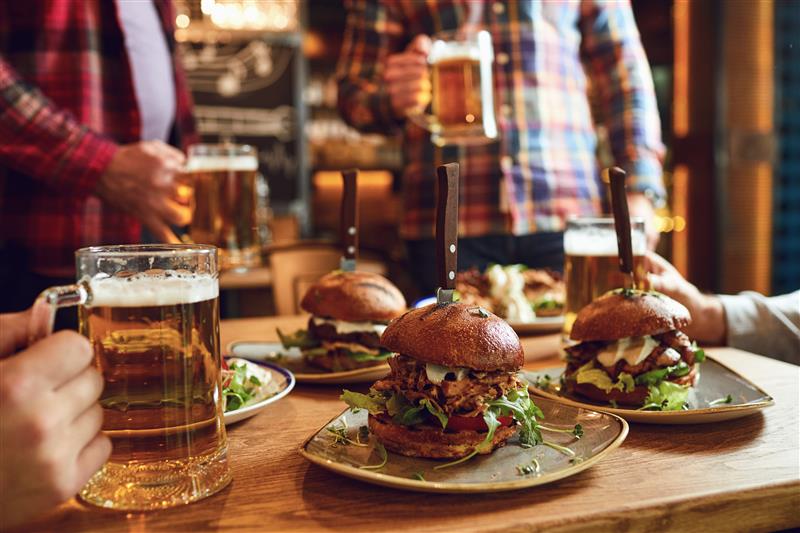
Tips on menu design and cost management are the order of the day for Bidfood which has launched a new dedicated webpage for tenanted and leased pubs. The food wholesaler said the launch was in response to the pressures pub operators find themselves under from issues such as rising costs and labour challenges. The resource is designed to help operators identify key trends and challenges, streamline operations and manage costs. It builds on Bidfood’s interactive pub feature, launched in 2025, which offers a wide range of tips from experts in areas like food waste reduction and sustainable menu design. Among the pieces of advice, experts suggest complementing meat dishes with a wide range of vegetables and grains, and streamlining pub menus to ease pressure on staff and stocks.
Related articles
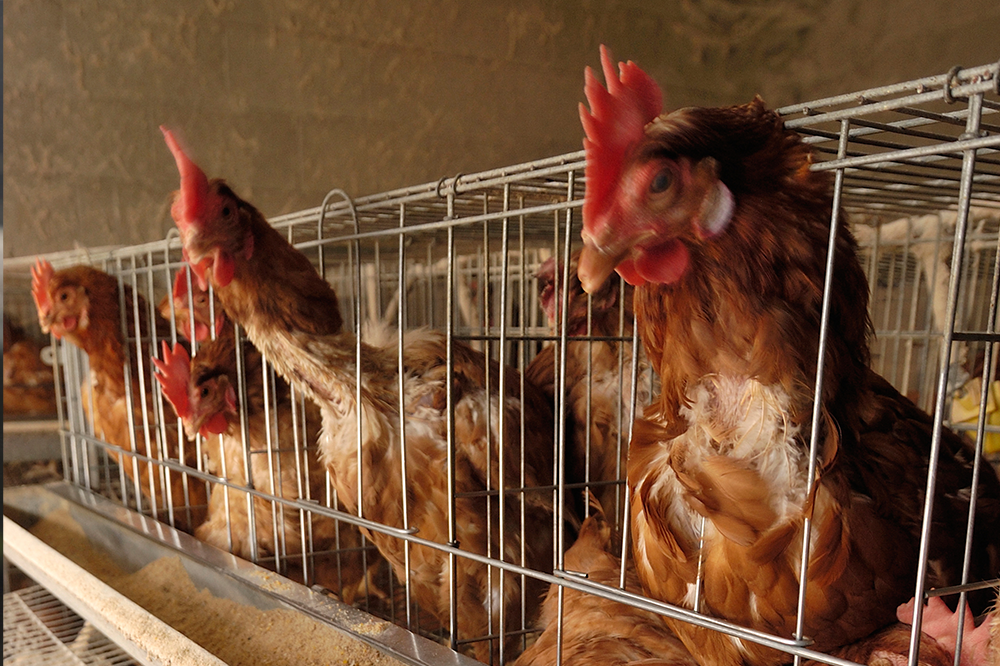
Cage against the machine
Animal welfare remains high on the agenda as campaigners and corporates clash over labelling and transparency of industrial meat

The battle for the future of chicken welfare
The decision by leading hospitality brands to quit the ‘Better chicken commitment’ resurfaces age-old questions over the challenge in marrying commerciality with ethics
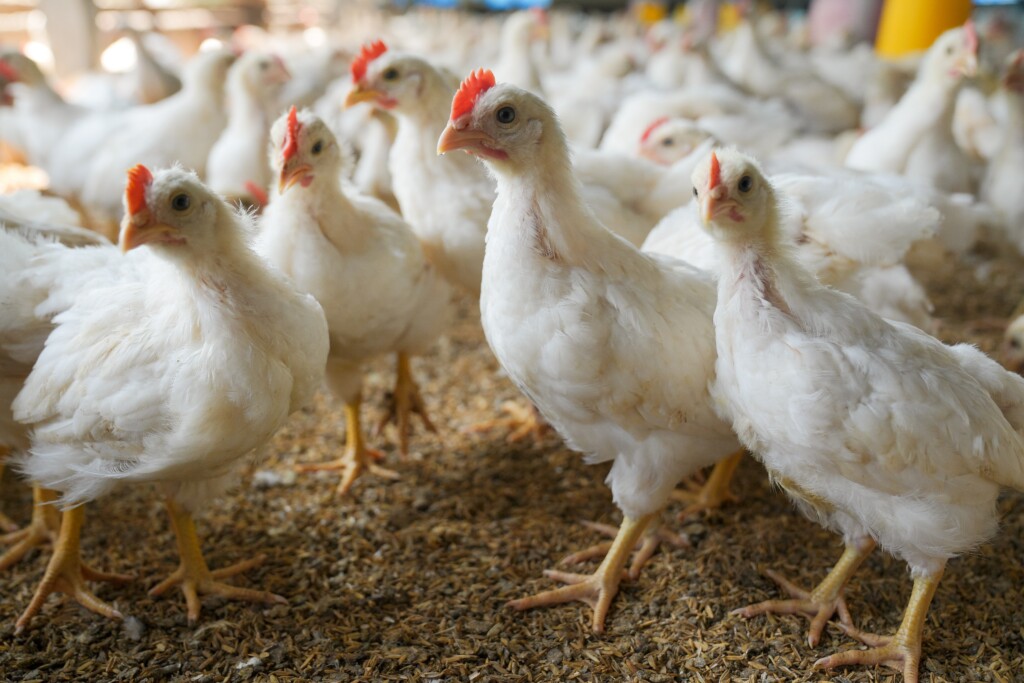
Crying fowl
A schism has emerged over the best vehicle for improving chicken welfare after a group of leading hospitality operators responsible for 18 brands withdrew from the ‘Better chicken commitment’ (BCC)
