
“GLP-1s are becoming a major disruptor of the food system, and how they play out in the UK will reshape product demand, portfolios, pricing, and business strategy.” This was the plainspoken view of Antony Yousefian, general partner at venture capital firm The First Thirty, following a new report by The Food Foundation into the implications for health, inequality and the food system of the GLP-1 revolution.
New survey data from the charity has revealed an estimated 8.25 million people in the UK, around 15% of the population, have either taken, are taking or are considering taking GLP-1 receptor agonists (GLP-1s) in an effort to lose weight. A rapid surge in demand is outpacing NHS capacity and raising concerns over health equity and long-term outcomes.
There remain a number of big unknowns concerning the impacts of growing GLP-1 usage. Will the fact that 90% of UK patients are accessing brands like Ozempic and Wegovy privately or off-label fuel health inequalities since those who would benefit most may be least able to access them? What are the health effects of long-term usage and what happens when people stop using the drugs? And, arguably of greatest importance to food businesses, how will usage shape people’s long-term dietary habits?
On this last question, the report shares some emerging thinking, with the caveat that most of the current evidence base for how these drugs affect food choices comes from small-scale, largely US studies. Some remain optimistic that widespread uptake of GLP-1s will usher in a new era of nutrient-dense, smaller-portioned food options and shift consumer demand away from hyper-palatable, energy-dense, nutrient poor foods (ultra-processed foods in modern parlance).
Yousefian suggested “the clearest opportunity for investors and companies is to back the categories that benefit most from wider GLP-1 use, particularly minimally processed foods and fresh produce”. Yet the report cautions that it would be risky to assume GLP-1s will push businesses to sell more nutritious foods in response to changing consumer demand. And The Food Foundation is clear in its view that GLP-1s should not be seen as a substitute for regulating the food environment to make healthy, sustainable options the easy choice.
It also warns that food businesses may respond to increasing numbers of people taking GLP-1s by increasing the price of food to recoup any profits lost with a decline in volume sales, or by continuing to launch premium versions of pre-prepared meals and products that are designed and marketed to GLP-1 users. Such actions would have a disproportionate impact on low-income households, further entrenching health inequalities, according to the charity.
Footprint has previously explored the specific implications of GLP-1 usage for the hospitality and foodservice sector. Mintel’s Trish Caddy suggested users motivated by health goals could drive greater demand for lighter, nutritious meals. Restaurants and caterers may also respond by increasing their range of smaller plates and sharing options.
Even less is known about the potential sustainability impact of GLP-1s. The Food Foundation warns of the risk that growing usage could inadvertently drive an increase in sales of meat as users look to eat more protein to compensate for muscle mass loss.
It concludes that while it remains to be seen exactly what the impact of GLP-1s will be in the long-run, governments should remain focused on the wider health prevention agenda. “Food businesses and investors must continue to ensure wholesale shifts in portfolios towards food offerings that are both healthy and affordable,” added Rebecca Tobi, the charity’s head of food business transformation.
Small Bites
Trade bodies demand regulatory pause
Business groups have issued fresh warnings over food price inflation linked to the ongoing conflict in Iran. Both the British Retail Consortium (BRC) and UKHospitality have called for targeted support to manage energy price hikes including the removal of non-commodity energy costs such as green levies, and a review of new regulations. The BRC has said prices will rise, but how much depends on what action the UK Government takes now. It highlighted how food retailers are already absorbing significant additional costs from the conflict as rising gas and electricity prices push up the cost of production, shipping and distribution throughout the supply chain, with knock-on effects for fertiliser, manufacturing and logistics. It said these pressures will inevitably filter through to prices and are hitting at a time when policy costs are also weighing heavily on businesses. In a move that risks accusations of opportunism, the BRC is calling for a delay in the implementation of the new nutrient profiling model, which it says will require manufacturers to reformulate thousands of products. It also wants ministers to review overlapping packaging policy charges linked to the new extended producer responsibility levy, the plastic packaging tax and packaging recovery notes. UkHospitality, meanwhile, has called for a postponement in “costly and burdensome new regulations” including the deposit return scheme, advertising restrictions on unhealthy foods and mandatory health reporting.
Businesses must bridge ambition-action gap on welfare
Food companies are still struggling to match ambition with action on farm animal welfare, according to a new report. The latest Business Benchmark on Farm Animal Welfare (BBFAW) ranked 149 leading global food companies on their policies, practices and performance. Although it identified strong levels of commitment to higher farm animal welfare standards across the world’s largest food companies, the pace of implementation remains slow. For example, while 96 companies have set a cage-free target for laying hens, only 17 (18%) of these companies report that 100% of their eggs are cage-free. From a UK perspective there were several positives from this year’s report, notably that businesses are leading on the protein transition. UK companies achieved an average score of 29% for their efforts to reduce reliance on animal-sourced foods, compared to a global average of 11%. Overall, Greggs, Marks & Spencer, Premier Foods and Waitrose & Partners ranked among the top global performers. In the latest episode of Footprint’s The Small Print podcast, BBFAW executive director Nicky Amos highlighted how UK foodservice businesses trail retailers and producers on their average benchmarking score due in part to a pronounced gap between commitments and implementation. However, she also pointed to areas in which the sector is taking a leadership position including on making cage-free commitments and reducing reliance on animal-sourced foods.
Northern Ireland seeks to solve sustainability paradox
Sustainability is both a defining constraint and opportunity for the food sector in Northern Ireland, according to a new economic impact study. Food production is highly integrated between Northern Ireland and the Republic or Ireland with dairy, meat and beverages in particular frequently crossing the border. This means addressing sustainability challenges will require system-level responses that link climate mitigation, nutrient management and long-term agricultural viability across both jurisdictions, according to the study commissioned by the Northern Ireland Food and Drinks Association (NIFDA). Agriculture accounts for a disproportionately large share of Northern Ireland’s greenhouse gas and ammonia emissions due to the dominance of meat and dairy production within the country. The study found that improvements in feed conversion and formulation represent the most immediate lever for reducing emissions intensity while supporting productivity, with local processing, circular use of by-products and bioenergy solutions such as anaerobic digestion contributing over the longer-term. NIFTA highlighted Northern Ireland’s role as a “protein-rich producer” within the UK food system and suggested the country’s strength in livestock and dairy “directly reduces reliance on imports, limits exposure to global supply and price shocks, and positions the region as a central contributor to feeding a growing population across these islands”.
Chef’s Special
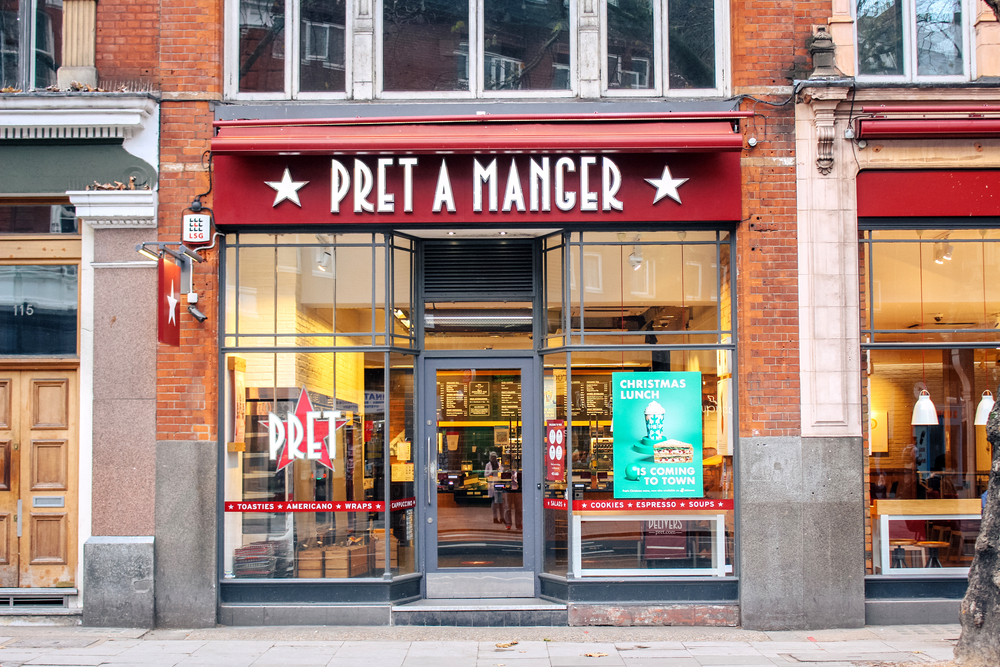
Fibre may be having its moment in the sun (and currently suffers from significant underconsumption) but it seems there’s no muscling out protein as the defining food trend of our time. Pret’s latest menu refresh – billed as its biggest in years – promises “more high-protein options than ever before” as part of a “bigger, bolder focus on protein”. Building on last year’s launch of its Super Plates range, the food-to-go brand has introduced Protein Plates, a range of meals containing over 25g of protein per plate built around a main protein source (mostly chicken and salmon). It has also added a new vegan option, Korean BBQ Tofu, to its existing Super Plates range and launched two new salad bowls – Miso Chicken Rice and Butternut & Humous Mezze.
Last Orders
Low- and no-alcohol offerings have been the engine of growth in the brewing sector in recent years. Now, leading suppliers are looking to piggyback on the next big thing – functional brewing. Heineken UK has just announced the launch of a 0.0 isotonic lager with electrolytes and Vitamin C, branded Outd00r Brewing. The launch marks the company’s first step into the fast-growing functional brewing category, which is designed to bridge the gap between traditional low- and no- beer and functional soft drinks by offering targeted benefits like relaxation and mental focus. Brands like Impossibrew and Collider have generated sufficient consumer interest in the category to prick the attention of giants like Heineken whose Outd00r Brewing product will be available in original lager and lemon flavours.