Businesses including McDonald’s and Starbucks are struggling to decarbonise large, legacy operations, leading to questions over whether they remain fully committed to emissions reduction
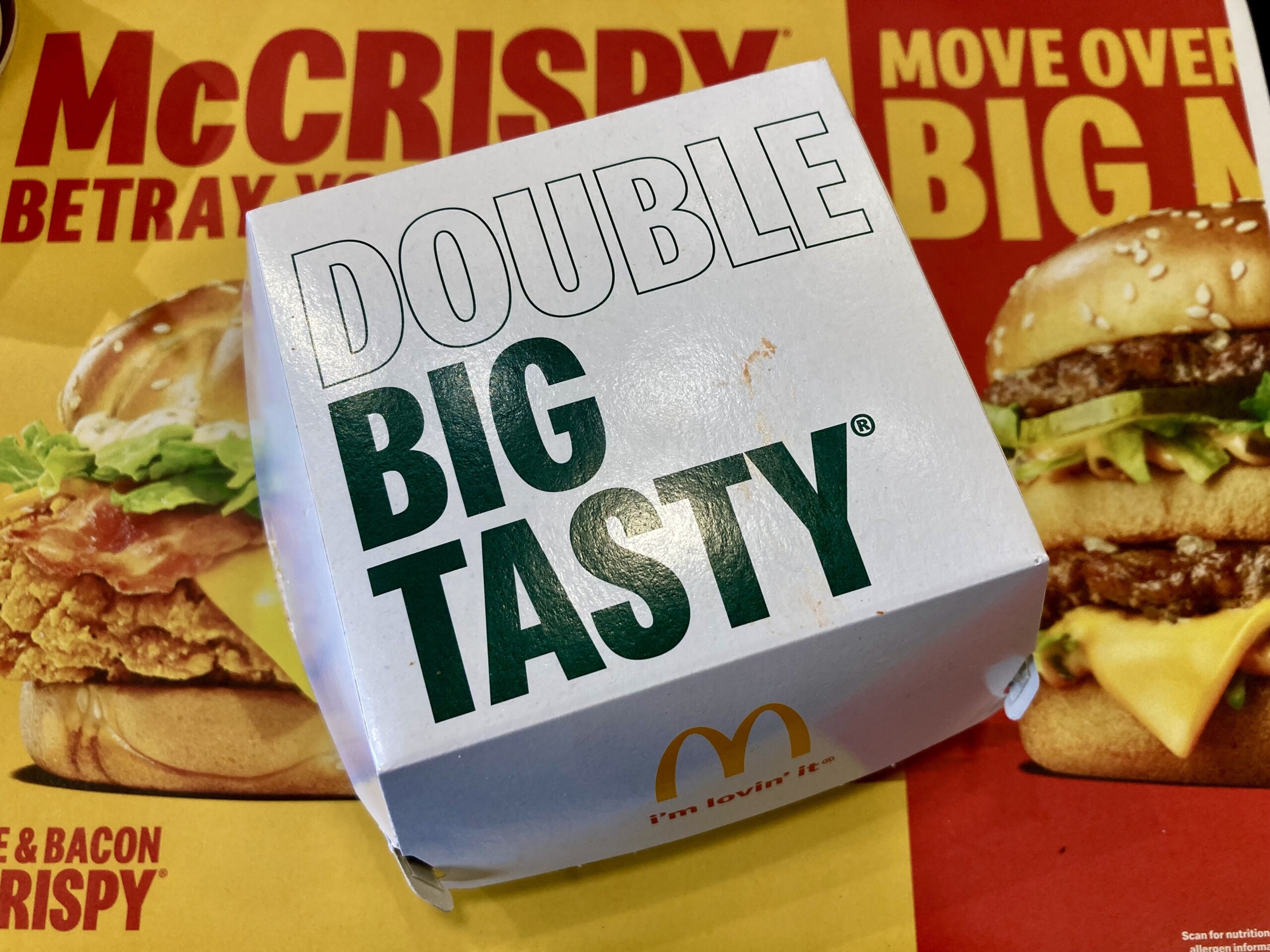
McDonald’s is “on track” to exceed its scope 1 and 2 climate goals for 2030. Reductions of 12% and 68% in scope 1 and 2 emissions respectively have been driven largely by “sustained investments in lower-carbon energy and restaurant energy efficiency”, explained Jon Banner, global chief impact officer, and Warren Anderson, global chief supply chain officer, in an update published in May.
So far so promising. But the story changes where scope 3 is concerned – the indirect greenhouse gas emissions (GHG) that come from the company’s supply chain and account for the lion’s share of total emissions. Globally, the fast food chain has managed just a 3% cut in these indirect emissions since 2018. The target, aligned with 1.5°C and validated by the Science-based targets initiative (SBTi), is 50.4% by 2030 for scope 3 energy and industrial GHG emissions, and 16% for forest, land and agriculture (FLAG) emissions. The company is facing “significant challenges” in delivering the necessary emissions reductions, the executives conceded, adding that “at this point, we do not expect to reach our 2030 scope 3 goal on the original timeline”.
McDonald’s is far from alone in struggling to live up to its decarbonisation commitments. Burger King’s emissions figures and ambitions are a little harder to unpick, but owner Restaurant Brands International’s (RBI) latest data, from April, show scope 3 emissions down 3.9% against the 2022 baseline. Emissions related to beef were down 544,867 tCO2e (3.9%) year-on-year, RBI reported, with regenerative farming approaches playing a part, as did farmers’ work with a Carbon Trust-verified, low-emissions programme. The pace of reductions is far from fast enough, however, given that RBI has committed to cut GHG emissions intensity by 50% per metric tonne of food and per franchised restaurant by 2030.
And then there is Starbucks, for which scope 3 emissions have actually increased against its baseline year of 2019, by a shade over 1MtCO2e. “We are actively reassessing our 2030 emissions reduction goal [50% reduction by 2030 in direct and indirect emissions] while we evaluate the implications of emerging regulations, ongoing updates to relevant standards and other developments (including headwinds that impose significant challenges for the achievement of that goal,)” reads the coffee chain’s annual impact report, published in July.
So why have commitments to scope 3 crumbled, and is this the case across the wider hospitality and foodservice sector?
COP out?
“I think there was always an ‘asterix’ alongside those [net-zero] targets made around 2020,” explains Juliane Caillouette Noble, CEO at the Sustainable Restaurant Association (SRA). In terms of setting the direction of travel, the climate commitments made by myriad corporations around the COP climate talks in Glasgow, were “really important”, she suggests. Within the UK corporate world, having one became pretty much “standard practice”. However, to meet some of the targets being set some companies would have “basically had to stop selling food”, Caillouette Noble adds.
Or at least far less meat and dairy. For coffee shops built on the popularity of milky flat whites and lattes (and now also reliant on lunchtime toasties and sit-down meals), or burger chains founded on the availability of standardised, affordable Big Macs and Whoppers, this was the elephant – or cow – in the room when the 2030 and (often) 2050 net-zero targets were signed off and press-released. “I think there was a secret hope that there would be technological solutions [to help everyone out],” adds Caillouette Noble.
Precision fermentation and cultured meat solutions are slowly becoming commercially available (too slowly, according to supporters), however plant-based foods generally have not made enough of a dent in demand for meat to drive meaningful scope 3 emissions reduction from food at scale.
Alternatives to milk have made more market headway, but still come at a premium price compared to dairy (and are now being challenged on the basis of them being overly ‘processed’).
Oatly’s oat drink boasts a carbon footprint far lower than that of milk, for example, with the company using this week’s New York Climate Week to call for sustainable options to become the default. Caroline Reid, the company’s senior sustainability director, points to an Oatly experiment from 2025, “in which we conducted independent blind taste tests of coffee with Oatly vs coffee with cow’s milk in eight cities. Every time, in every city, about half the people preferred coffee with Oatly. That’s significantly more than the number of people who have ever tried oat milk, or actually order it in their coffee every day. So why are hundreds of thousands of people walking around having their second-choice coffee every day?”
The answer, surely, is that the status quo is hard to change. There is also a question mark about whether some of the world’s largest food companies want it to, despite what they have said publicly in relation to their scope 3 struggles.
‘Convenient excuse’
“What’s interesting is how the companies [like McDonald’s, Starbucks and Diageo] on scope 3 are all expressing doubts about their abilities to act meaningfully and unilaterally on these emissions,” says Chris Hilson, professor of environmental law at the University of Reading. “They all point to the need for regulation to step in to tackle them. [But] it is a convenient excuse and not a legitimate argument: these companies do not really want state regulation of their supply chain emissions either as it’s likely to make their existing product offering harder to source and more expensive.”
Reducing scope 3 emissions was never going to be easy for those in the business of selling food and drink, although some admit it is proving harder than they expected (the world has also changed markedly from the one when these targets were set). Switching a venue’s energy supply to renewable can be done fairly easily, but supporting farmers in the upstream value chain to adopt regenerative practices takes time, money and effort. Swapping out meat and dairy on menus for plants and alternative proteins is arguably harder still, requiring changes to consumer behaviour; any swaps must also offer a comparable customer experience at no extra cost.
There is an important distinction to be drawn too between businesses who are evolving their climate targets (as some companies claim they are), those that are evading them (by not reporting publicly) and those that are eliminating them altogether (as a few, including JBS, have done).
“I think there was some aspirational target setting,” explains Bob Gordon, director at the Zero Carbon Forum (ZCF), which works with businesses across the foodservice and hospitality sector to achieve emissions reduction. “Five years ago, businesses didn’t have today’s understanding of the cost, the data requirements or the barriers to making operational changes. Now they do, and the numbers are more honest as a result. In some cases that honesty has meant revising targets downward.”
The extent to which we should be worried about such backsliding is difficult to say. Looking at SBTi’s dashboard earlier this month, the ‘Hotels, restaurants, and leisure and tourism services’ sector has a slightly higher share of net-zero targets or commitments (~27%), compared to the total group of more than 15,000 companies included in the dashboard (~25%); but also a higher share of removed net-zero commitments (~14% vs ~8% for the whole group including this sector).
Marjan van Riel, head of food systems research at Rabobank, has been digging around in the dashboard and has previously found that longer-term net-zero commitments were removed more often than near-term targets. Most of these commitments were made during the 2019-2021 ‘commitment’ period, when companies were pledging bold (often net-zero) ambitions before standards such as SBTi FLAG (forest, land and agriculture) and CNZS (corporate net-zero standard) had been released.
“Once these standards were introduced, companies needed to incorporate more complex supply-chain emissions into their target setting, making validation requirements more complex and difficult to meet,” she explains. “In addition, some companies had set net-zero targets before developing a climate strategy for how to achieve them.”
SBTi says version 2 of its net-zero standard recognises that progress, particularly on scope 3, “may not always be linear. Companies are expected to pursue targets on a best-efforts basis, be transparent about dependencies and barriers, and demonstrate how they are addressing them,” a spokesperson explains, adding: “Ongoing tracking, reporting and assessment allow companies to identify gaps and course-correct, with future targets informed by their most recent progress.”
Reassessing a target therefore does not simply mean bumping emissions reductions further into the future. Instead, companies should be busy assessing progress to-date and ensuring future targets continue to support alignment with net-zero pathways. “Where there are gaps between a company’s emissions and its targets, these need to be addressed through the next cycle of target-setting and action,” the SBTi spokesperson explains. “If a company has not made sufficient progress, this needs to be reflected in the action and targets that follow.”
‘Regen’ gathers pace
For those businesses operating within hospitality and foodservice, most progress in reducing emissions still relates to scopes 1 and 2. For example, among ZCF’s members, 74% have introduced at least one fully electric kitchen, 83% use renewable energy and 50% are putting a supplier engagement plan in place. However, almost a third (32%) do now source some regeneratively farmed produce. “We are seeing some high-profile sectors beginning to demonstrate systemic change (for example energy and transport),” says Gordon. “I think there is lots of systemic change in the food system, but it’s more complex, and more multi-faceted. Regen is gathering pace – but is it sufficient?”
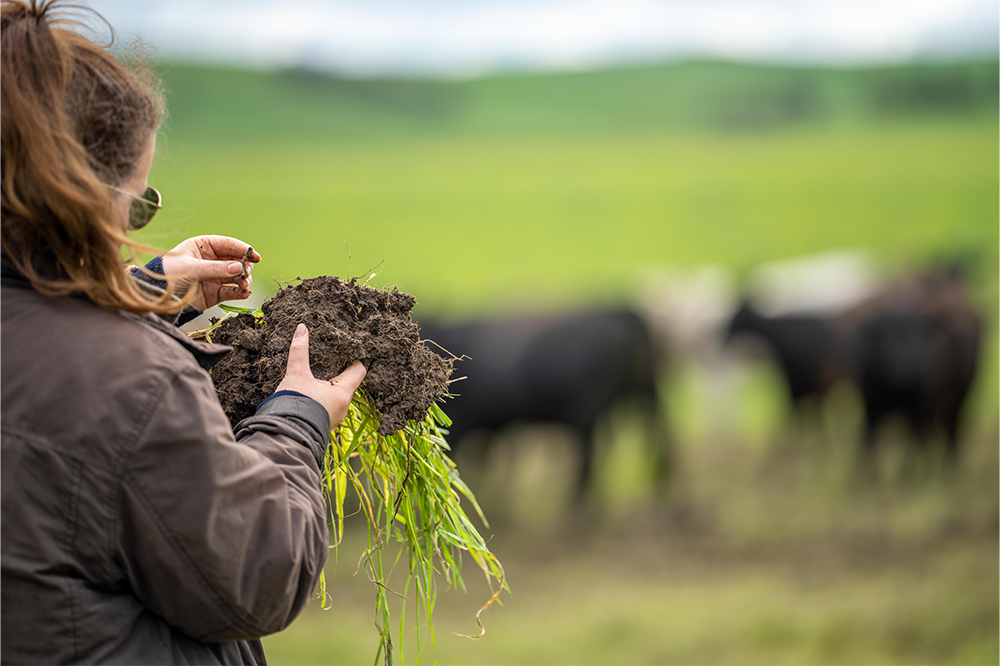
Nestlé is one example of a business that has invested heavily in its regenerative agriculture programme, including in the UK in partnership with dairy supplier First Milk. The changes have helped the world’s largest food company exceed its near-term 20% by 2025 emissions reduction target, and given it confidence to stick to a 50% by 2030 target. “Scope 3 is harder than we thought it would be,” says Emma Keller, head of sustainability UK&I, who adds that “the easy wins are behind us”.
Scaling up regenerative approaches will be key to hitting future targets. The latest phase of Nestlé’s milk plan with First Milk includes a big focus on cutting soya from the cow’s feed. More work is also planned on some of the agricultural inputs the company relies on. In the UK, the wafers in KitKats are now made using 51% regenerative wheat from Wildfarmed, which has helped cut not only emissions but also other inputs like fertilisers and pesticides.
McDonald’s also hopes to lean hard on regenerative farming approaches to further cut the 60,245,138tCO2e that sits in scope 3, down from 62,836,186tCO2e at the baseline eight years ago. Some $1bn (£0.76bn) over the next decade has been promised for supply chain resilience initiatives, especially at the farm level, to support “regenerative agriculture, landscape-level solutions for key commodities, and programmes that support farmers”. For context, global sales in 2025 for McDonald’s were up $9bn to $139bn.
Dietary difficulties
Still, Banner and Anderson are not hopeful the scope 3 target will be met by 2030. Whether they are taking the easy route, or have been forced into conceding defeat despite their best efforts, is open to debate. Supporting changes in diet via, for example, a sustained push into plant-based or blended burgers is not mentioned in the company’s latest purpose and impact report at all. In the UK, Burger King by contrast has committed to a 50% meat-free menu by 2030; at the last count, in 2023, around 35% of its menu was meat-free.
Contract caterers have arguably gone furthest in achieving considerable carbon benefits by integrating more plant-based ingredients into their menus, including the development of blended burgers, alongside other measures like using wild venison instead of beef. Both approaches have delivered a huge emissions win for Levy, part of Compass Group UK & Ireland. “They don’t talk about the carbon though,” explains Caillouette Noble at the SRA, instead focusing on the taste and flavour of the burgers.
McDonald’s and Starbucks were both approached for comment for this article, however food and drink companies have become increasingly reluctant to talk about their commitments on climate as many grapple with changes within the business and external forces – from volatile geopolitics and supply chain disruptions, to climate change risks to farm products and the breaking of political consensus behind net-zero as a policy objective.
As Gordon notes: “[The] government hasn’t provided the policy framework the sector needs to move at the pace these targets require. The political conversation is being hijacked, with more voices now openly questioning the science and whether decarbonisation is worth paying for. It’s made it harder for businesses to hold the line on ambitious targets when the wider policy and political environment isn’t pulling in the same direction.”
Many of those early corporate climate targets were undoubtedly set from the top down, based on what climate science required (and what executives thought the public wanted to hear) rather than on a fully costed and considered delivery plan. That was understandable at the time, but by 2026 businesses should be able to show how responsibility for delivering decarbonisation has moved out of sustainability and been embedded into functions like procurement, finance, product development and operations, says Alex Smith, CEO at FuturePlus. “If a target is revised without those changes, it risks looking less like realism and more like retreat,” she adds.
Main image: Steve Travelguide / Shutterstock.com