A plan to triple the level of surplus food going to those in need relies on the support of businesses, but those on the frontline stress it is not a silver bullet solution to food poverty
The price of food has risen by 30% since the start of the cost of living crisis in April 2022, when Russia’s invasion of Ukraine sent convulsions through commodity markets. It’s a sobering statistic that helps explain why over 6 million UK adults (12% of households) experienced moderate or severe food insecurity at the start of this year, according to The Food Foundation – a figure captured before the full impact of the conflict in the Middle East has fed through to the price of food on supermarket shelves and restaurant menus.
The UK Government recently announced a series of measures to ease the cost of living burden on families over the summer including a temporary reduction in VAT on days out including kids’ meals, and the suspension of tariffs on over 100 imported food items.
We’re also set to see a doubling down – or more accurately a tripling down – on efforts to get surplus food otherwise destined to be wasted to those in need. Following the King’s Speech last month, the prime minister, Sir Keir Starmer, told Parliament: “Faced with challenges, we don’t retreat from our Labour values – strength through fairness – so, we will keep supporting those who need it the most, including by creating a new national programme to redistribute surplus food.”
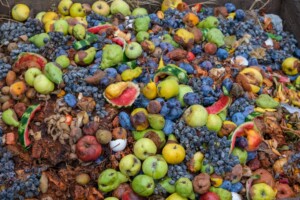
Developed by IGD and Felix (the new name for the recently merged FareShare and The Felix Project) the programme will see food charities and social enterprises work in lockstep with the food industry and government to deliver a single shared plan aimed at tripling the volume of surplus food made available for redistribution. This will mean unlocking the thousands of tonnes of surplus food that exists within food supply chains and often ends up being ploughed back into fields or sent for anaerobic digestion.
The plan has been pitched as an opportunity to turn the environmental problem of surplus food into a social opportunity. But it’s also raised concern that food redistribution risks being conflated with food security, and that politicians see food surplus as a silver bullet solution to food poverty thus shying away from the task of ensuring every UK citizen has the independent means to feed themselves and their family a healthy, sustainable diet.
Herculean task
The amount of food being redistributed in the UK has been steadily increasing in recent years, however data compiled by WRAP shows the scale of the effort that will be required to increase volumes three-fold. Its latest annual survey of redistribution organisations in the UK showed that between 2022 and 2024, redistributed surplus food increased by 45,000 tonnes (t) to over 210,000t, a rise of 27%. Of that, 22,500t came from hospitality and foodservice businesses – up 36% since 2022 – compared to 97,900t from retail, 58,400t from manufacturing and 7,100t from farms. The vast majority of this surplus is destined for charitable redistribution, via the likes of Felix, which represents 76% of the total versus 24% for commercial redistribution of discounted surplus goods through businesses like Approved Food and Company Shop.
WRAP stresses that preventing food waste at source should always be the priority, but adds that redistributing surplus food is one way that businesses can reduce the amount of food that ends up as waste and contribute towards meeting the UK Food and Drink Pact target to reduce food waste by 50% per capita by 2030 against a 2007 baseline (a target that looks set to be missed).
Evidence from Felix, meanwhile, shows how vital redistributed food surplus is to those delivering frontline, community-based services. A survey published earlier this month of more than 2,700 charity partners, including food banks, pantries and supper clubs for the elderly, found that without access to rescued food, 32% would have to close their food support and 52% would need to scale back their offer.
The target to triple the level of redistribution is borne of the need to match ever-growing need with insufficient supply; 41% of charities who receive food from Felix have seen an increase in demand in the last 12 months, while for a further 13% demand has more than doubled.
“Despite all of this work that we are doing, we can’t access enough food to meet demand in the charity sector,” said Ali Gourley, senior public affairs manager at Felix, speaking at a recent Westminster Food & Nutrition Forum on UK food security. “That has been especially apparent over the last five years with Covid and with the cost of living crisis, now we’re staring down 9% food inflation as a result of the crisis in the Middle East.”
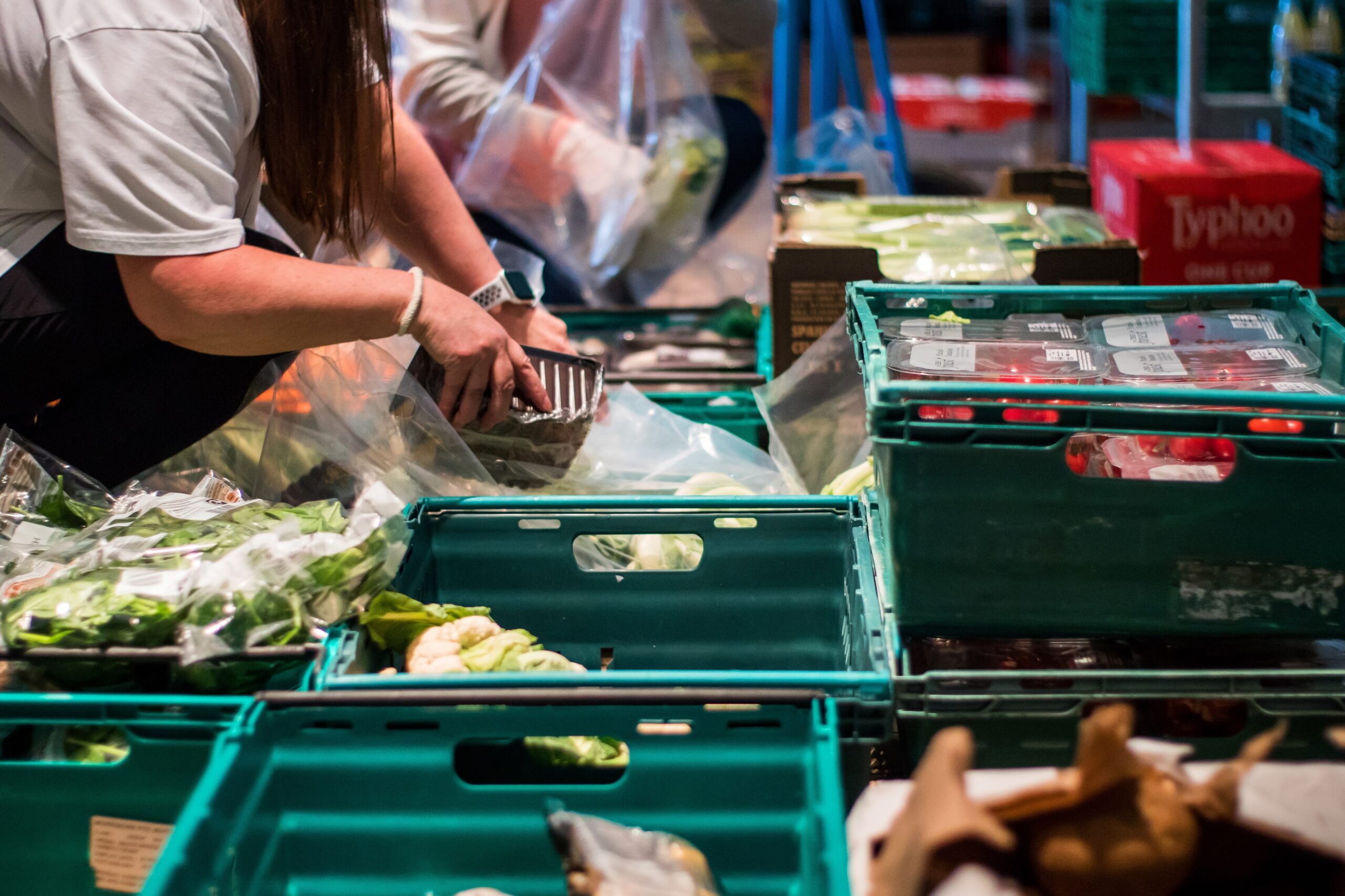
Gourley noted how perceptions of the redistribution sector as supplying tins of baked beans and dried pasta no longer reflect the reality of an increasingly sophisticated operation. “That is part of what we do, but especially over the last five to 10 years with the investment that’s gone into cold chain solutions across the entire supply chain, we’re able to get lots of fresh and healthy food out to charities.”
That has meant working with retailers, restaurants, wholesalers, manufacturers and farmers to rescue some of the vast volume of surplus food that sits upstream from supermarket shelves. “In the supply chain, there’s about a billion meals every year that go to waste that we could redistribute,” said Gourley. “That’s good-to-eat, fresh, healthy surplus food that’s currently going to animal feed or anaerobic digestion or getting plowed back into the field.”
He went on to explain how it can be cheaper, or even revenue-generating, for businesses to dispose of food this way because it saves on the logistics and labour costs of preparing the food for human consumption and then getting it out to charitable redistribution networks.
Joined-up approach
Part of the logic behind the merger of Fareshare and Felix, and a reason for establishing the new national programme, is to get stakeholders working in a joined-up way to get surplus food ready for consumption and to where it is needed in the most efficient way possible, moving away from the patchwork of approaches that has characterised the sector to-date.
Felix highlights the involvement in the programme of partners from across the entire community redistribution sector including City Harvest, Community Shop, The Bread and Butter Thing, His Church, Neighbourly, Trussell, Feeding Britain, and the Xcess Network.
Last year, meanwhile, a new Alliance Food Sourcing (AFS) coalition was launched to bring together food businesses, logistics providers and charities to tackle the surplus food that exists within supply chains – in manufacturing sites and distribution hubs.
Such surplus often exists in large or unpackaged formats that makes it unusable by community organisations and requires industry investment and collaboration to make it accessible. It sometimes requires bulk quantities of food to be broken down and repackaged, or raw ingredients to be brought together to make ready meals. Food is also being rescued where packaging is defective and where residual food is left over when production lines are switched.
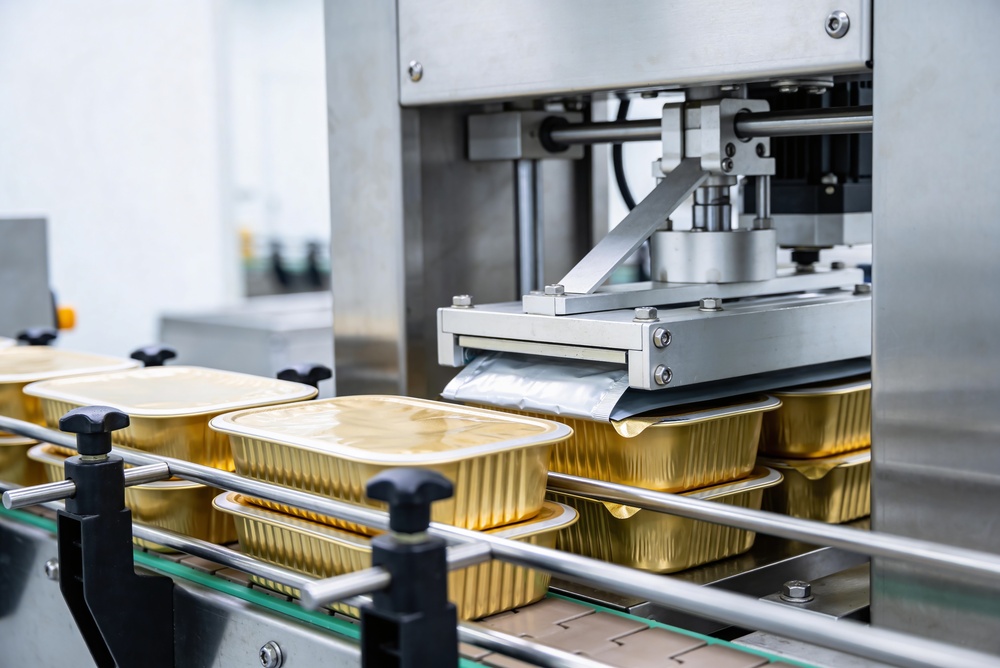
The coalition, which includes over 50 businesses, is focusing on categories where the charity need is greatest, specifically vegetables, protein and staples. Among the trials already underway through the initiative, sweet potato ‘rubble’ produced in the dicing process is being rescued by fresh produce supplier, Barfoot’s, and used in soups or stews. 2 Sisters Food Group has secured two million portions of fresh and frozen chicken per year, following a relabelling and repacking collaboration. Tesco has worked with Samworth Brothers to produce half a million cottage pie meals and Tesco has worked with Samworth Brothers to produce half a million cottage pie meals and Sainsbury’s has partnered with Greencore to supply one million extra ready meals using spare factory capacity. Premier Foods, meanwhile, has changed its processes so that it is now recovering and rescuing dried noodles that otherwise would have gone to waste.
Charities note that because the rescued food all comes from the supply chain, it can be distributed to charities much more efficiently, and with a longer shelf life.
No substitute
Felix has said the national redistribution programme establishes food redistribution as a key pillar in the UK’s approach to food systems change. But it also stresses that surplus food redistribution is not a substitute for the structural reforms needed to address the root causes of poverty.
Those working at the coal face of redistribution insist they do not see it as a solution to food insecurity but an unambiguously positive intervention that offers some form of local resilience against the risk of acute hunger. “It’s important [to say] what surplus food redistribution can and can’t achieve,” Gourley told the Westminster forum. “What it can achieve is supporting the community sector and in turn supporting people who are trying to get help from the community sector. It can save the community sector a lot of money on its food bills, because if you’re going and buying food from supermarkets or wholesalers it’s a lot cheaper to get food, surplus food, through us and then you can reinvest that money into frontline services. It can add to health, it can add to strengthening communities, it can add to resilience at times of crisis. What it will absolutely not do is solve poverty by itself or solve hunger. It can support people in poverty, and it can support people in hunger, and it can support people in the challenges that they face in life, but it won’t address the fundamental economic drivers of those things.”
This begs the question of whether politicians see things in such a clear-eyed way. Earlier on in the forum, Tim Lang, professor of food policy at City St George’s, University of London, had decried what he described as the “leave it to Tesco” approach to food security of successive UK governments, noting how “little tweaks here and there” are rooted within a broader “business as usual framework”.
For all the good redistribution does, it does not solve the problem that millions of UK citizens are not afforded the dignity of being able to feed themselves and their families in one of the wealthiest countries in the world.
As efforts to scale charitable redistribution ramp up, some are calling for a change to the lens through which we view the role of surplus food. “Pete Ritchie from Nourish Scotland said that if the food we are redistributing is good enough for people, then it is good enough for all of us,” notes Beth Bell, deputy director of the Food Ethics Council. “These words speak to the heart of current issues around the conflation of food redistribution and household food insecurity, in the increasingly problematic context of a deeply entrenched use of surplus food as charitable food aid. The alternative? We can, and should, normalise public and universal uses of surplus food in hospitals, schools, and more, ensuring that the use of unavoidable surplus is seen as a societal responsibility rather than a poor solution to inequality.”
With food inflation set to rise sharply during the second half of the year, household budgets will come under even greater pressure and demand for support from the charitable sector is expected to grow. Scaling food redistribution can help meet some of that need, but tackling food insecurity in the long-term will require an altogether more coherent, committed response.
Further reading
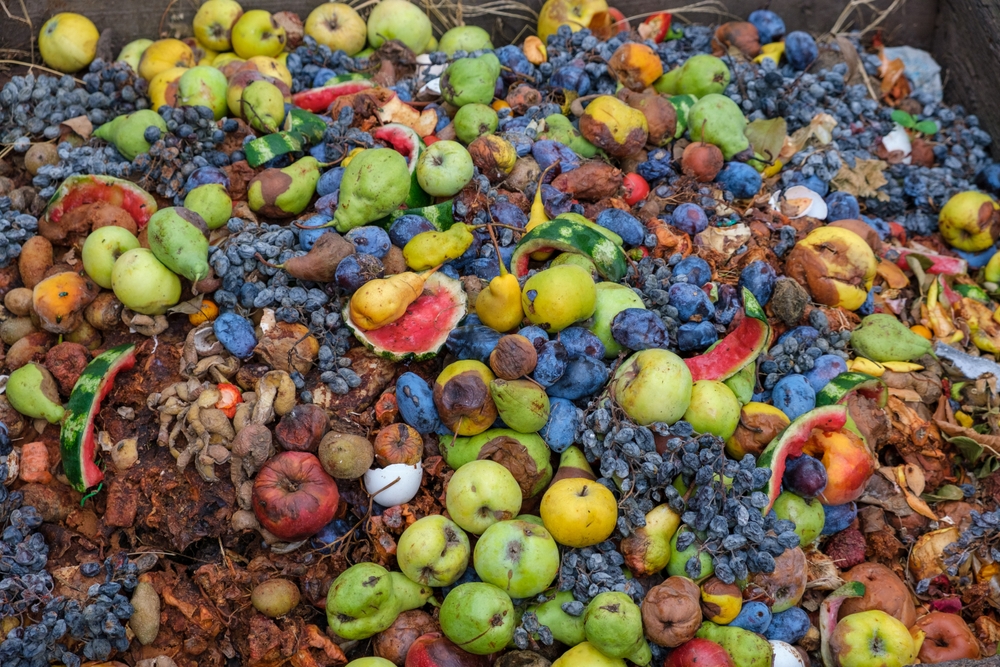
Can food waste reduction get back on track?
A 2030 target to cut food waste by 50% is in danger of being missed. Government and businesses need to seize the opportunity to turn things around
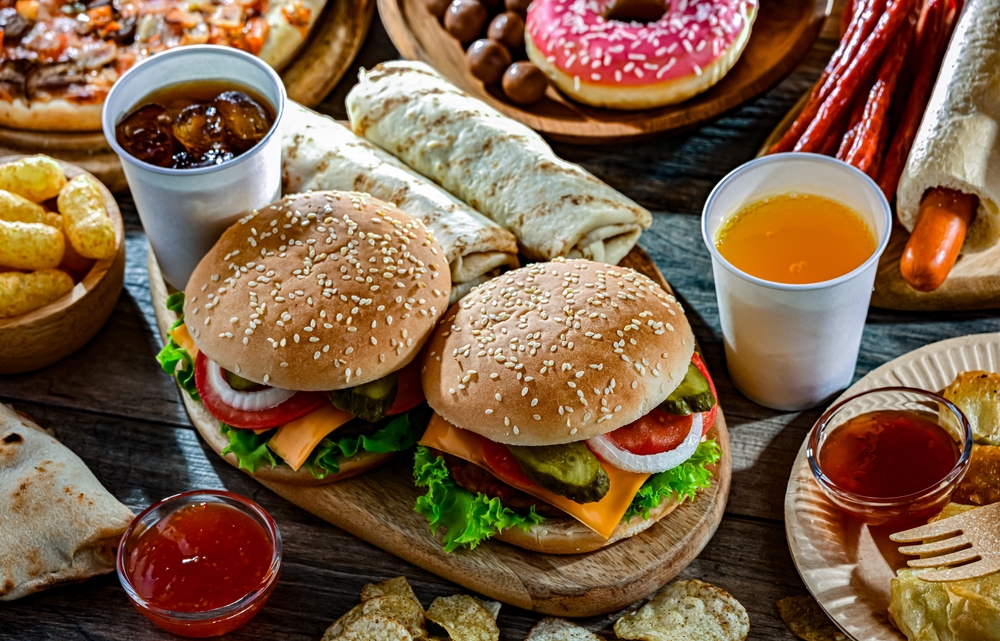
The Food Foundation’s annual ‘Broken Plate’ report rarely makes for comforting reading, but this year’s snapshot of the health of the UK food system may be the most dispiriting yet