
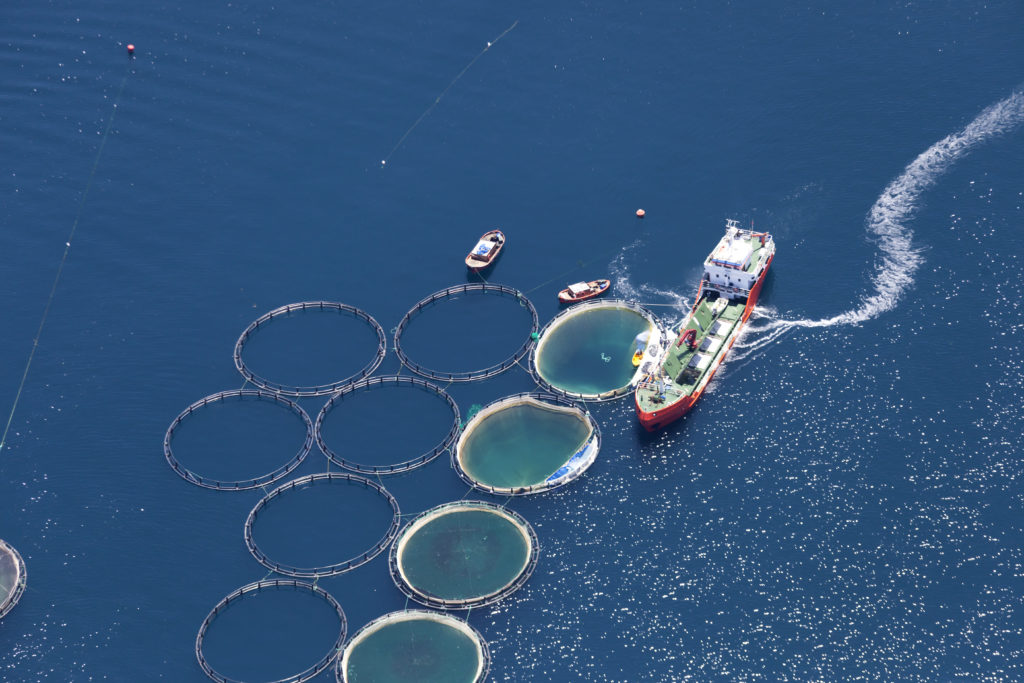
On the hook
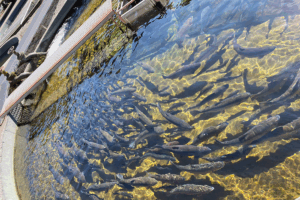
The UK salmon farming industry has suffered another blow to its reputation after the Soil Association withdrew its logo from organic farmed salmon.
The charity and certification body said it had decided to withdraw from setting standards for organic salmon after an extensive review found environmental and welfare outcomes were not meeting its “high bar”. The Soil Association has been warning for the past two years that its logo will be withdrawn unless meaningful progress is made on improving welfare and environmental standards within the sector. It has now concluded that although its standards have sparked positive change across the whole salmon farming industry, and that further improvement could still be possible, there remains a lack of evidence that the standards are delivering good enough animal welfare and environmental outcomes, or that change could come fast enough.
A Soil Association review identified high mortality rates among organic salmon in recent years, often resulting from parasite outbreaks and disease, which were not significantly better than non-organic sites. Rising water temperatures are exacerbating these mortality events. The review also raised concern over feed sustainability. Organic standards require producers to feed salmon as natural a diet as possible and the Soil Association said it was concerned this was resulting in too much reliance on feeding wild fish stocks to salmon. Campaigners and investor groups have argued an overeliance on wild fish stocks puts pressure on marine ecosystems, and exacerbates environmental, regulatory and supply chain risks.
Based on the evidence from the Soil Association’s review, its chief executive Helen Browning said the organisation’s logo can no longer provide confidence to consumers “that organic principles are being safeguarded to the highest level possible within the constraints of a commercially viable system”.
She added: “When we started working on salmon 20 years ago, we had an aspiration for an aquaculture system that could deliver the principles of organic production in the sea. We envisioned a multi-trophic, enriched environment which could provide the resources for a good life for salmon, with minimal negative impact on other species. However, progress along these lines has been negligible. While our standards ensure lower stocking rates and prohibit the most damaging chemical treatments, the evidence suggests that welfare and environmental outcomes are not sufficient for us to continue.”
The Soil Association said it will now work with the industry to agree a timeline for withdrawal of its logo.
Farmed salmon, for which UK production is almost exclusively based in Scotland, has become a retail and foodservice staple in recent years as it benefits from its perception as a versatile, nutritious protein source. Salmon now accounts for 31% of all UK seafood sales by value – worth £1.48bn – outselling cod almost three to one, with more than 92% farmed. It’s also the UK’s highest-value food export, worth £828m in 2025, with Scotland alone producing 192,000 tonnes in 2024, up 27% year-on-year. Organic production accounted for just 7% of the total annual Atlantic salmon production in 2025, according to Scottish Government data.
Non-organic salmon aquaculture has faced a litany of charges relating to poor welfare outcomes, pollution of local ecosystems and food colonialism. Footprint reported earlier this year how the industry has responded with investment in technology and new land-based systems, although campaigners believe any large-scale production poses material risks to the environment and society. Some restaurants, meanwhile, have responded to concerns by choosing to remove salmon from their menus altogether and replace it with alternatives such as trout and, in some cases, plant-based alternatives.

Small Bites
UK to get tough on forced labour in supply chains
Large UK businesses will be required to identify, assess and address risks of human rights abuses and labour exploitation within their operations and supply chains under a shake-up of forced labour rules. The UK Government said it will legislate to introduce a mandatory human rights due diligence regime across the UK for services, and in Great Britain for goods. It will apply to UK businesses with a global turnover of over £350m, as well as non-UK businesses with a UK-generated turnover of over £350m. In Northern Ireland, the EU’s Forced Labour Regulation will apply under the Windsor Framework. In a written statement announcing the change, business secretary Jonathan Reynolds said a review of the UK’s approach to promoting responsible business conduct had found the current framework for preventing forced labour to be fragmented and overly reliant on voluntary action and reporting measures. “While the Modern Slavery Act 2015 was world leading at the time of its introduction, international standards and legislative practice have since moved on leaving the UK out-of-step with G7 partners and other major trading economies,” Reynolds told Parliament. He added that the new regime will be “risk-based, proportionate and reflect how responsible businesses already manage risk by aligning with established international standards”. Food supply chains are considered highly exposed to risks of forced labour due to a heavy reliance on transient, often migrant labour, especially in the farming and fisheries sectors, and the long, labyrinthine nature of supply chains that makes it hard for consumer-facing businesses to monitor what is happening at source.
Muddled nutrition systems risk fuelling unhealthy diets
Inconsistencies in labelling and regulation may result in consumers buying food and drink products which have high levels of saturated fat, salt and sugar without realising they are unhealthy, new research has suggested. The study, published in BMJ Medicine and authored by experts from University College London including Professor Chris van Tulleken, analysed 262 processed and 1,636 ultra-processed food and drink items available across the UK. The researchers compared the proportions of the products identified as unhealthy by the Food Standards Agency’s original nutrient profiling model (FSA NPM), the traffic light front-of-pack nutritional labelling system and new nutrient profiling models aligned with the UK Government’s Eatwell Guide. They found each system varied widely in what proportion of processed and ultra-processed products was classed as unhealthy. While the Eatwell Guide classified over 98% of ultra-processed products and 95% of processed products sold in the UK as unhealthy, the voluntary green, amber and red traffic light nutritional labelling found on the front of food and drink packaging identified fewer than half (48.2%) of those foods as unhealthy. Meanwhile, the high fat, salt and sugar (HFSS) definition used by the FSA NPM to restrict the advertising and promotion of unhealthy foods identified just over half (57.6%) of the same foods as unhealthy. Van Tulleken, the author of Ultra-Processed People, said the results showed how current labelling and regulation systems were failing to identify products as unhealthy and risked people consuming more sugar, salt and saturated fat than they should. The study authors have called for the development of a single, unified UK system for categorising food and drink products as unhealthy.
EU axes flagship green claims law
The European Commission has confirmed the abandonment of its Green Claims Directive which would have required businesses to independently verify environmental claims made in their marketing and communications. The directive was among a list of planned regulations listed for withdrawal under the commission’s 2027 work programme, which was published earlier this month. The withdrawal was widely expected after it became clear the proposal wouldn’t secure the necessary support within the European Council. The EU is on a drive to simplify regulations to ease pressure on businesses facing a rising cost base. The commission has already proposed 12 omnibus packages, alongside other simplification initiatives, which it says have the potential to generate over €22bn (£18bn) in annual savings. The EU’s flagship Corporate Sustainability Due Diligence Directive (CS3D), and its sister legislation the Corporate Sustainability Reporting Directive (CSRD), are among those to have had their scope and ambition downgraded. Greenwashing is still being tackled via the Empowering Consumers for the Green Transition Directive (EmpCo), which became law on September 27th and bans the use of generic environmental claims like ‘green’ or ‘environmentally friendly’ among a range of provisions.
Chef’s Special
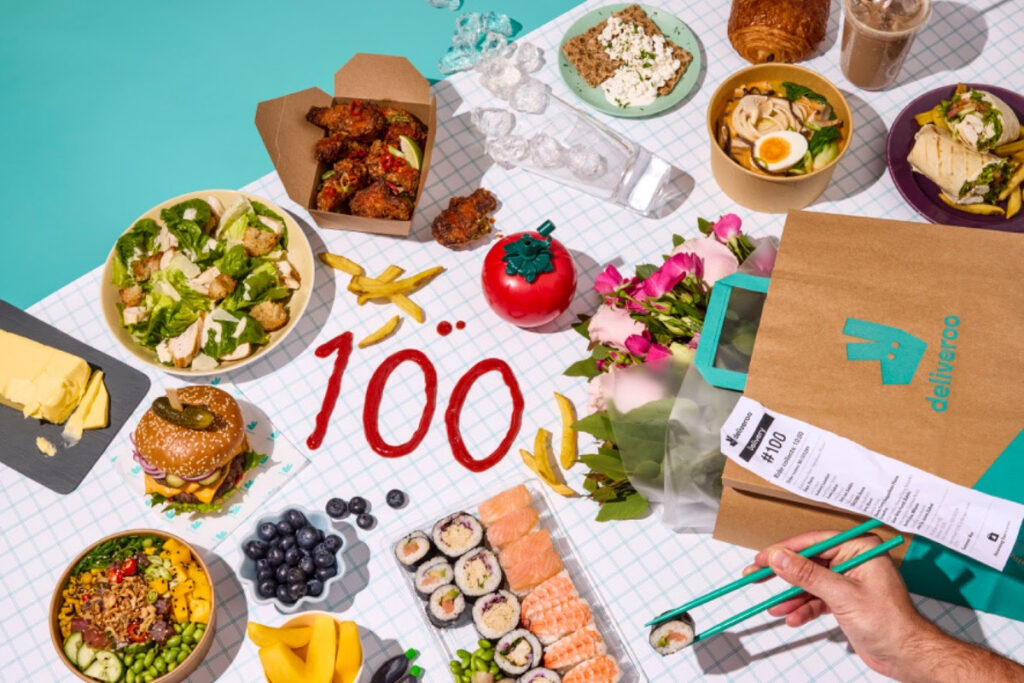
It seems nothing compares to chicken when it comes to consumer cravings for convenience food. Chicken featured in over 20 of the top 100 most trending dishes internationally, including wings in Dubai, a club sandwich in the UAE and Milan’s cashew chicken, according to this year’s Deliveroo 100 report. Chicken dishes have benefited from the ‘protein maxxing’ trend, which is also reflected in entries in the top 100 for protein-rich dishes like beef bowls, steak sandwiches and fish biryani. In the UK, chicken shop brands like Wingstop, Popeye and KFC have set aggressive targets for opening new stores, despite challenges with supply and ongoing concerns over poor environmental and welfare outcomes. France took the number one spot this year for top trending orders on the Deliveroo app with Dayz’s ‘build your own signature plate’ in Paris. The UK took second spot – somewhat bizarrely – through Iceland’s premium 2kg ice cubes, a delivery craze that coincided with the scorching hot summer. Other notable trends from the list included the popularity of golden kiwis and mangoes in the UK.
Last Orders
The drinks and hospitality sector has been toasting a UK Government decision to tackle the issue of ‘double charging’ that has dogged its extended producer responsibility scheme for packaging (pEPR). Defra announced this week that glass drinks containers being sold directly from producers to pubs, restaurants and other hospitality venues will no longer be liable for EPR fees from April 2027. Currently, businesses paying a private waste contractor to recycle their glass bottles have to pay again for their disposal because they are classed as household waste under pEPR. Defra said the change would save businesses up to 6p per beer bottle and 10p per wine bottle, equivalent to £870 a year for a pub selling 10,000 beer bottles and 3,700 wine bottles. Businesses are also set to be consulted on fees they pay for packaging waste, so that easy-to-recycle packaging like glass and paper costs less and hard-to-recycle packaging such as some plastics costs more. Defra said this could help reduce fees for the most recyclable packaging by up to 40% per year. Emma McClarkin, chief executive of the British Beer and Pub Association, said “there will be much relief” within the sector about the changes, although she added it was “vital” that the 12,000 publicans that run leased and tenanted pubs as SMEs are also included. Miles Beale, chief executive of the Wine and Spirit Trade Association, said: “A reduction of up to 40% in glass fees over two years is a late, but welcome correction – and brings the UK scheme more in line with similar ones in other countries.”


Leave a Reply