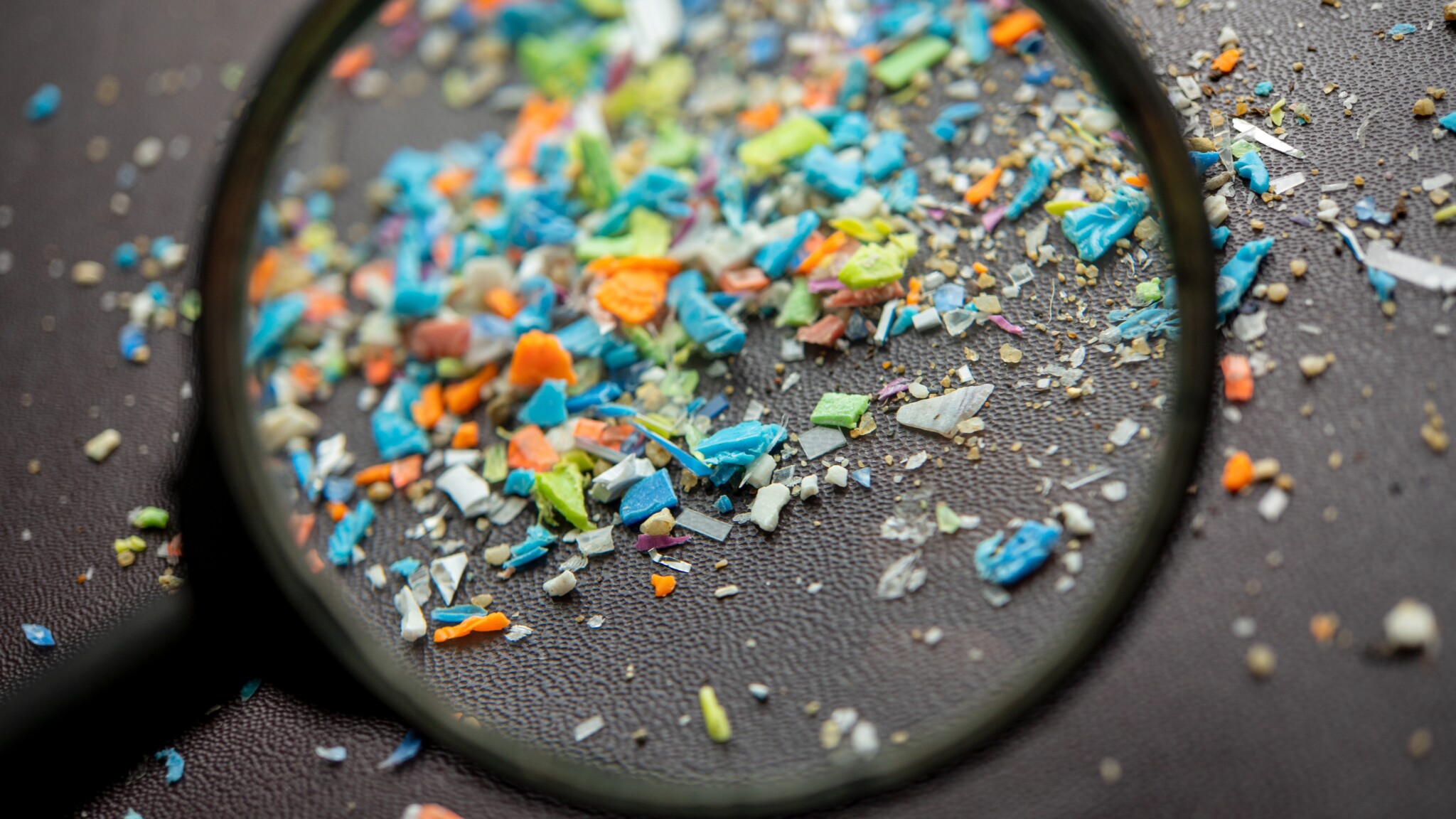
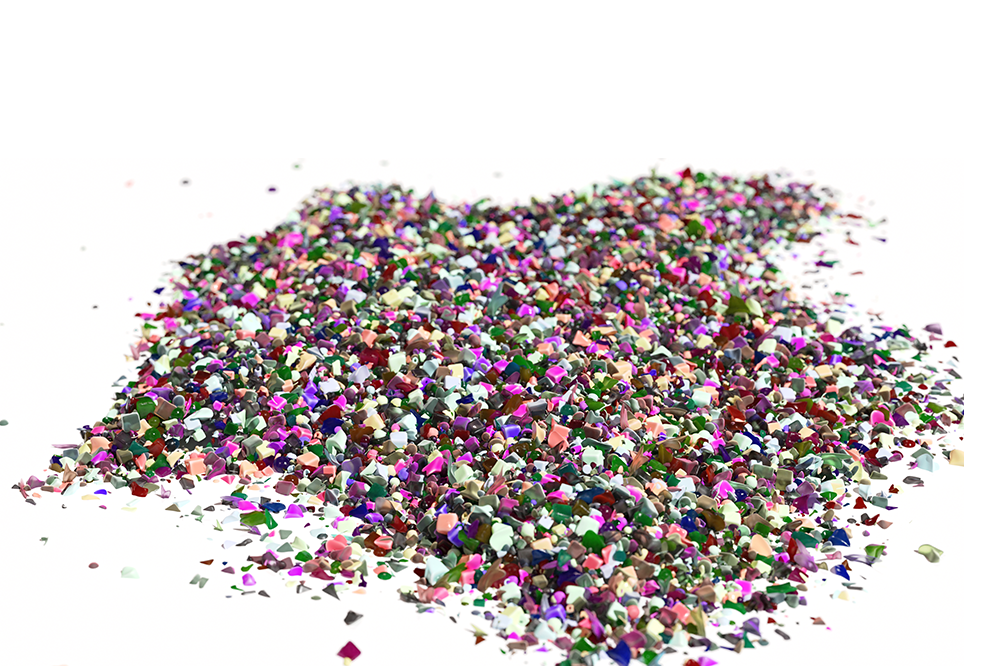
A powerful new Netflix documentary, The Plastic Detox, has explored a possible link between infertility and human exposure to microplastics. For years plastics have been framed primarily as an environmental issue in the way they pollute terrestrial and aquatic ecosystems. That conversation is now rapidly shifting toward the risk to human health from ubiquitous petrochemical-derived plastics.
In this week’s episode of The Small Print, Nick Hughes is joined by Pierre Paslier, who worked as a plastics packaging engineer before co-founding the Earthshot prize winning start-up Notpla, which makes packaging out of seaweed. They discuss the health risks from microplastic exposure, why it’s proving so difficult to curb plastic production, and what the path to a plastic-free society and foodservice sector might look like.
Subscribe to the podcast



Further reading
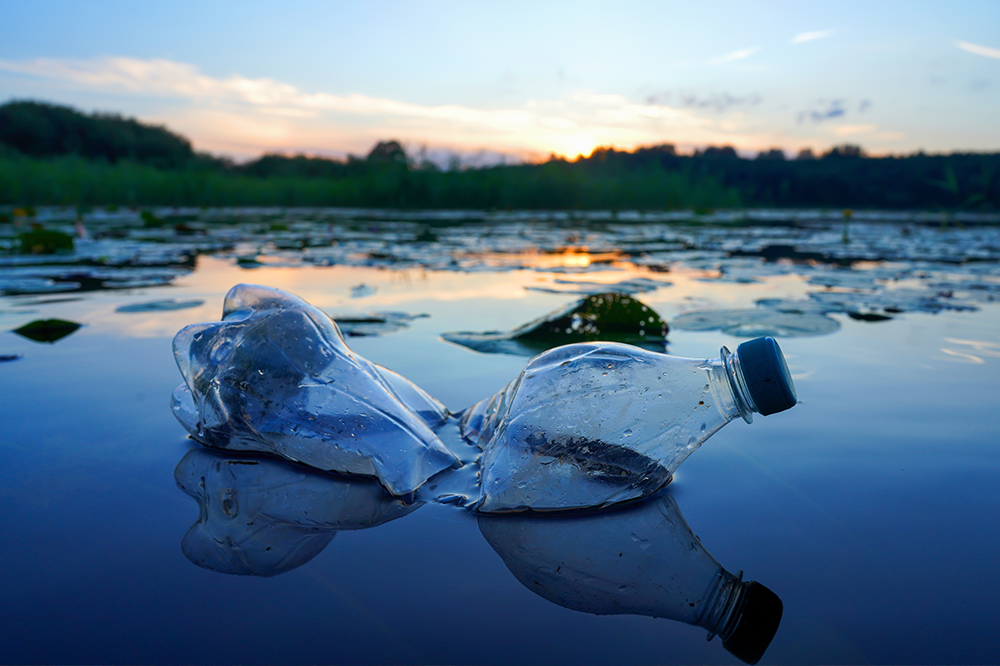
Efforts to curb plastic pollution were left in tatters after talks on a global plastics treaty collapsed without agreement
Plastics Package: Water pollution and watered down targets
Reports of dirty tricks to clean up ‘natural’ water expose far-reaching problems, while a drinks giant scales back its packaging commitments
Transcript
Nick Hughes: A new TV documentary has lifted the lid on the risks to human health from the pervasive presence of microplastics in our food packaging and every other facet of modern life. Isn’t it high time we turned off the plastics tap? A powerful new Netflix documentary, the Plastic Detox has questioned the link between infertility and human exposure to microplastics. For years, plastics have been framed primarily as an environmental issue. That conversation is now rapidly shifting toward the risk to human health from ubiquitous petrochemical derived plastics. In this week’s episode of the Small Print, I’m joined by Pierre Pallier, who worked as a plastics packaging engineer before co founding the earthshot Prize winning startup notpla, which makes packaging out of seaweed. We discussed the risks from microplastic exposure, why it’s proving so difficult to curb global plastic production, and what the path to a plastic free society and food service sector might look like. Pierre, welcome to the Small Print. We’re speaking following the launch of the Netflix documentary the Plastic Detox. Can you perhaps start by giving listeners who haven’t yet seen the program a brief synopsis of what it is about?
Pierre Pallier: Yeah, sure, and thanks for having me. Basically the documentary is a really great deep dive into the health impacts that plastics and the chemical constituents that are found in plastics are having on a range of different human health impacts, but specifically on fertility. And world renowned scientist Shana Swan, who is the one who first studied the decline of sperm count over the last 50 years by more than 50%, then spent a, a chunk of her career on, on identifying what are the, the potential like reasons why this is happening. And she’s really kind of like identified like a number of endocrine disrupting chemicals to be the leading source of, of that decline. And those are typically found in plastic. And so the documentary is taking a, a little kind of like experiment which isn’t a, like a full scientific study, but it’s a, a telling one. They follow six couples who’ve been struggling to have kids for two to 10 years. And those couples have no explanation for their Carawak infertility. Uh, it’s not due to something that medically has been identified so far. And basically Shanna takes them on, on a plastic detox on a kind of like journey to reduce where they can exposure to plastic and therefore a lot of the chemicals found in their homes in their day to day life. And through this Marie Condo style revamping of their homes they’re able to first of all track over the kind of like next few Months, the quantity of those chemicals in their blood, in their urine, in their kind of like sperm count, like they can track some of the biometric data. And I won’t spoil completely for people who want to watch the documentary, but it is full of hope because those couples fought for quite a few of them are able to have kind of like a child within months of starting this plastic detox, which is quite incredible. Um, and there’s also a range of kind of like health, like improvements that go with it. And I think that this is probably like a first kind of like good mainstream moment to talk about plastic, not just as garlic, the problem on nature, the environment that we’ve been talking about previously, but also on what it does to human health and therefore like where we might want to be careful about what we get in touch with on our daily life.
Nick Hughes: Yeah, absolutely. Like, like you say this is, it’s. For years it feels like plastics have been framed primarily as an environmental issue, doesn’t it, in the way they pollute terrestrial and aquatic ecosystems. And that conversation is now shifting towards human exposure to microplastics and potential health impacts. And one of the things that, that struck me in the documentary is just how pervasive plastic is in our everyday lives. From the air we breathe to the food we drink, sorry, food and drink we eat, the cosmetics we put on our skin, the clothes we wear, the toys we buy for our kids, it’s just everywhere, isn’t it? And, and what a huge task it is to live a plastic free life. And let’s face it, it’s probably a task that will prove beyond most of us, isn’t it?
Pierre Pallier: Yeah. And I think on one end you’ve got this talk realization that plastic is very entrenched in our everyday life, but on the other end you have this really kind of like hopeful outcome that through a obviously kind of like only limited intervention because there’s, you can’t change your, your kind of like your workplace, you can change the street, you can change the supermarket, but like through what you can control at home. The reduction of kind of like exposure to some of those plastic chemicals led some of those couples who’ve been trying for, for, for some up to 10 years to actually kind of like get pregnant. So we don’t need to have like a perfect system where we have zero exposure to greatly kind of like reduce the impacts of plastics. And it’s this kind of like this dual reality where like as the preface in the, in the documentary, essentially like we think of plastics as polyethylene Polypropylene, P. PET whatever it is. And we, we kind of assume that this is one material. When you, when you look at your plastic bottle or your kind of like food containers, there’s one logo, one kind of like name. But actually plastic is not just one chemical. It’s a combination of a lot of additives of processing aids, of all sorts of different kind of chemicals that we add intentionally into the plastic, but also of non intentionally added chemicals. Because when we make plastic, it’s not like a perfect chemical process and we find thousands of variations of the end product within a single container of plastic. The studies that like have shown that there’s more than 9,000 chemical features found in a mono material container. So we’re really thinking of plastic as like a mono material when actually it’s a bit of a cocktail of lots of different things. And so that is really kind of like at the heart of, of the documentary of, of making people realize that they’re not exposed to one thing that has been tested in the lab once and found, okay, this is really this kind of a cocktail effect where I think there’s over kind of like 16,000 chemicals that are typically used as plastic additives. Of Those, there’s about 4,000 that are actually kind of known as hazardous, persistent, bioaccumulative or toxic and still very much in use today in plastics and for the food contact plastics. There’s over a thousand chemicals that have been detected in humans by migrating from the plastic to the food and then from the food to us. So, so we’re really talking about like a big category of chemicals. And unfortunately today there’s very little kind of like safeguarding for the long term effects of, of some of those chemicals.
Nick Hughes: And, and we should say, shouldn’t we, that, that the, the sort of science around the impact that the presence of these chemicals is having in the human body, it’s still a developing area of scientific research. Um, but clearly this is a big.
Pierre Pallier: No, I, I was gonna say like, I think, uh, we’re always gonna do more science, but actually like the science around the chemicals found in plastic is very clear. It’s been here for a couple of decades. There is no kind of like uncertainty about the impact of some of those chemicals on, on health, on fertility, on brain development, on all sorts of like, issues. And to be fair, there are kind of like always progressively kind of like some updating in micro food safety regulations to remove exposure from some of those chemicals. So the chemicals, I think that there is no kind of like more like question mark I think microplastics is the one where we are kind of like still at the infancy of, of kind of like really understanding the, the deep long term effects. And, and you’re absolutely right to, to kind of like highlight that. Yes, we’ll continue to learn what are the long term effects of some of those kind of like, like some of those particles that are finding themselves into our bodies. There are some kind of like pathways that are being observed very closely. And I think that like we, we most likely will find that having those particles floating around our bodies is creating some disruption in some places for, for the sake of science. At notpla, we actually tested microplastic in our blood a, a few weeks ago. And personally I have about a hundred thousand microplastics in my blood. So thinking that we have those particles going around that really kind of like hits home. And I think the very first kind of like link to think of is that microplastics are these tiny little sponge fragments that are containing all of these other chemicals that have been added intentionally or not intentionally. And so by going around fragmenting even smaller into kind of like nanoplastics, they will release more and more of those chemicals straight into the body. So that as kind of like a pathway is already kind of like problematic.
Nick Hughes: It feels like as much as there is clearly societal concern around environmental pollution linked to plastics microplastics, it sometimes takes the establishment of a link to human health for an environmental issue to really explode into the public domain. And I just wonder whether you feel this kind of documentary could be a tipping point for plastics. Do you feel the moment where citizens, and let’s hope even governments start taking the issue seriously?
Pierre Pallier: I think it really can and I think at least already in the industry we’re active in like food service, where obviously materials are directly in contact with food, greasy hot food, that’s the, the lead kind of like moment for migration into human body. And we’re seeing that chefs and catering managers and people involved in kind of like choosing packaging distributors, they’re really kind of like discovering a lot of things and completely changing a bit their stance on how to think of materials and safety. The number of questions that they get is increasing exponentially. I think like our head of marketing was saying that the, like the Google search for microplastics has gone 5,000% up. And so I think that’s going to become one of those topics that gets asked by the general public on, yeah, I’m buying this. But like the thing that it’s wrapped with, what is the impact that it’s having on me. And I think that what we are realizing is when it starts, as you said, to kind of like hit home and fertility is one of the most kind of like, human things, like defining things. We all know, like people going through IVF to be able to kind of like have babies. We all know people who have kind of like been through miscarriages. Those are all increasing kind of like 1% every year up, and sperm count is decreasing 1% down every year. And so, yeah, like, there’s a moment where we say, like, how the hell did we get here? Like, how are we letting our sperm count as humanity go down more than 50%? That feels kind of existential. And, and the fact that, yeah, this is deeply personal and when people struggle to, to have kind of like kids and have to go through IVF or, or just count, that’s, that’s, that’s a, that’s a heartbreaking personal moment. And I think that we, we ought to kind of like address problems when they are clearly identified. And I think that these endocrine disrupting chemicals are really kind of like, so perversive. We should act.
Nick Hughes: And of course, one of the other things made clear in the documentary is that the, the trajectory for global plastic production has been upwards and you know, in the view of the fossil fuel industry, will continue to be upwards as oil producers look to replace some of the revenues lost to renewables from fossil fuels. Why is it proving so hard to turn off the plastics tap given what we know already about the environmental cost, but also increasingly about the health cost?
Pierre Pallier: Yeah, I think without being too cynical, I think it’s just that there is a lot of, kind of like vested interest in continuing to use those, those, those chemicals, those materials, those manufacturing facilities. So with the kind of like absence of alternatives at scale, it can feel like it’s the only solution. But I think that’s exactly why at notpla, we try to show that we can use natural solutions and create like, products that are, that are safer, that are better, but also that are for profit, that are a business and that are creating like prosperity when we invest in them. And I think that when, when we start to, to think of where else we could be investing our efforts, our subsidies, our kind of like, like attention. There’s a lot of reasons for optimism. We certainly have seen that there is a number of obstacles in growing materials, but it’s reducing every year. There are more funds, more pathways, more brands who want to be pioneering these things. There’s more demand, more Differentiation at the end you create more value. So I feel like the incentives are growing on the other side and hopefully at some point the traditional petrochemical industry will realize that it’s better to invest on something that is a bit more future proof.
Nick Hughes: Yeah, so you’re sort of pinning more hopes in innovation really rather than necessarily policy measures aimed at restricting plastic production. Because we saw obviously the failure last year of the UN Global Plastics Treaty to agree targets to curb production. So clearly a big role in your view for biomaterial innovation in replacing plastics and reducing microplastic exposure. So tell, tell us a little bit about notpla, Pierre. Explain to listeners who not may not be aware of it what not PLA is and what is your plastic free solution?
Pierre Pallier: Yeah, so for my sins, I was a plastics packaging engineer. I worked in the cosmetic industry and made hundreds of millions of single use plastics at the beginning of of my career. And then I kind of like got really excited through like a project I did with classmates while studying a master’s at Imperial College and Royal College of Art. I met Rodrigo, my co founder and we got really interested in seaweed and how potentially it could be a wonderful material to use to create packaging that typically would be plastic. And that was really the beginning of notpla. Um, and today notply is creating a range of different packaging solutions made from seaweed and plants, not using any plastic, not using any, any kind of like synthetic chemicals to be able to create alternatives where they are the right performance and the right application. So one other thing is plastic is very, very performance indestructible. So we’re not going to replace every single use plastic in the world with seaweed. But certainly we found like a really good starting point in food service and takeaway food containers where we’re now kind of like active in 11 countries. We essentially replaced the coating that is like applied onto the surface of paperboard for making those hot dog clamshells and burger boxes and salad bowls and so on and so forth. And by doing this we’re giving the resistance to grease and moisture without using the plastic because cellulose itself is also natural. We have something that obviously doesn’t create forever waste that breaks down without needing any human intervention if worst case scenario it ends up being thrown away in nature. It’s also very easy to recycle, so it’s compatible with like the fiber recycling end of life. But essentially it’s forcing ourselves to use what nature already use. And so one of the slightly kind of like contradictory things at notply is that our chemists and we have kind of like R and D team of 25 material scientists, engineers and experts. Our chemists are not allowed to do chemical reactions so they cannot change what nature has built. And that guiding principle has been I guess rewarded by the direction of travel with legislation where essentially the difference between a plastic polymer and a natural polymer is hinging on the fact that if you take something from nature to start with, you cannot chemically modify it. It has to be in the state that nature created. If you do chemically modify it then it’s a plastic. So that’s really kind of like aligned with our, our name not PLA for not plastic. And our ambition to create solutions that are truly plastic free. And therefore if we put food in contact with it, there is nothing that has not been on this planet for at least a hundred million years that is kind of like in contact with each other. And that’s a wonderful, wonderful safeguard to know that we are not taking the risk of introducing some of those very new chemicals around.
Nick Hughes: I’d never made the link between NOTPLA and not plastic, so that’s been a revelatory moment for me. So, so where, where are not PLA products currently in use, Pierre? In the UK market in particular?
Pierre Pallier: Yeah, lots of places. So we’ve been really excitingly like onboarded by the big catering groups like Compass Group for replacing all of their single use plastics for food in stadiums. So it’s over 50 stadiums now in the, in in the UK and Ireland that are using Notpla. From Twickenham to the Oval, Tottenham Hotspurs, Arsenal. I think we have about a third of like Premier League stadiums that have been using NUTPLA. Big concert venues like the O2 exhibition centers like Excel, the Strawberries and Cream Box at Wimbledon has been one of our products for the last couple of years. And we’re also working with big brand owners like Ikea who are opening more and more of their city stores like those mini stores where there is also a bistro like a Scandi Bistro and for serving the meatballs and the hot dogs they are using not plug boxes, that’s quite saying. And quite a lot of like home delivered meals. So we have big partnerships with Just Eat Uber Eats. So those places where in a way you’re going to consume food within a few hours, a few days and plastic is going to stay around for hundreds of years. That’s really the sweet spot I think for substitution with seaweeds. And to date that means we’ve replaced close to 40 million single use plastics with the technology. So it’s quite exciting to see that it’s starting to be an industrial scale.
Nick Hughes: Yeah, we’ll come on to touch on scalability in a moment. I just want to put to you, obviously one of the criticisms I’ve heard of natural alternatives is that they’re not addressing the issue of society’s addiction to single use materials and we’re replacing one disposable product with another, admittedly far less harmful disposable product, rather than redesigning the system to support reuse and longevity. Where do you stand on that argument?
Pierre Pallier: Yeah, I think it’s a really valid conversation to have that needs to follow. So science and data and I think that there’s, there’s really a place by place analysis to do on whether reusable is better than disposable. And I think that’s where we love to exist as a solution for where reusables aren’t meeting the outcome of replacing plastic. Reusables require typically like a 90% kind of like collection rate to not create more single use plastics than they are avoiding. And there is now a slightly inconvenient realization that most reusable systems are relying on plastic. And as we’ve seen, plastic from a health perspective is also kind of like a material that comes with quite a lot of challenges. So reusable, non plastic, reusable is definitely a great solution if you’ve got the, the setup and the infrastructure to not lose material in, in, in the, in the cycles. Because obviously you’re using something that is a lot more material at, at a time. I think for me, one of the things that I like to say to this question is to not be too dogmatic about it because if you look at nature actually like there’s nothing that is reusable in nature. Like the peel of a fruit is a disposable, but it’s one that is completely compatible with the wider recycling system we have on nature, which is life. The building blocks of that waste is going to be picked up for creating the next tree or the next form of life. And so by using nutrient rich materials that are kind of like compatible with the next form of life, we really have something that is not going to create problems. But we also have to kind of like sometimes think of where packaging is not necessarily at all where it’s like over package, where there are kind of like other solutions possible. So the combination of all of these strategies is going to lead to reducing plastic the most. But I think that it’s important to not just put all our eggs in the reuse or plastic recycling basket and actually develop natural polymers as a way to really remove plastic from the system because the other two kind of need plastic in the business model.
Nick Hughes: This year sees the launch of the first ever Footprint Festival, A two day experiential and immersive sustainability festival set on a working farm in the heart of the Hampshire countryside. Created for senior leaders across food, service and hospitality, this one of a kind annual event takes place on September 17th and 18th. We’ll blend sensory experiences, transformative content, powerful networking and unforgettable food, drink and entertainment. Early bird tickets are now on sale. Visit footprintfestival.com for more details. And what are the resource implications of scaling up something like seaweed packaging? You know, is there a limitless supply of seaweed? Where is it harvested from? And I guess, you know, seaweed has been talked up as a great carbon sink as well. Are there environmental implications when you remove a plant that is excellent at capturing carbon and then using that for processing into, into packaging?
Pierre Pallier: Yeah, yeah. Those were kind of like the questions we had on, on the first few kind of like days of our discovery with Rodrigo of seaweed. And, and they were really important because you don’t want to start creating the next environmental disaster by just kind of like shifting one problem to the next one. And so there’s a few things that are quite incredible about seaweed. The first one is that it’s the fastest problem growing organism on the planet. Some species can grow up to a meter per day. So from a renewable perspective, it beats everything. And especially like when you think of like petroleum that takes millions of years to be made, it really is quite kind of like the opposite. Then you’ve got, people might not realize that seaweed is already a very big established industry. So there’s about 30 million tons of seaweed that are going into pharma, cosmetics, fertilizers, all sorts of industrial applications. And so for us, we don’t need to start from scratch. We’re actually working hand in hand with people who’ve already developed pharma grade seaweed or like industrial grade seaweed. And we’re tweaking that to create a packaging grade version of that seaweed that is fit for purpose for what we do. And so that model means that we can scale much faster because people already have the experience and some of the like extraction capabilities to, to be able to meet the scale of plastic reduction. So we really don’t need to build a lot of kind of like factories from scratch. Which, which is also like a big advantage to kind of like, reduce the, the burden of scaling something from, from zero. Um, and then when you zoom in on the regenerative properties of seaweed, the quite incredible thing is when, when seaweed grows actually, like, the ocean takes its first bite, its first share. So about 25% of the biomass of the seaweed that grows is eaten by fish. And fisheries are gonna grow around kind of like seaweed farms or where seaweed is present. And so that is actually kind of like boosting the amount of life that is, that is present. Another 25% is going to be broken off by waves and currents, and that’s going to actually fall to the bottom of the ocean and sediment, and that’s going to lock carbon. And with the 50% of the seaweed that is left that is on ropes, if it’s a farm that you take out of the water, you can create an alternative to plastic. So there’s something really interesting about this system where we can have, for one, something where humans don’t take a hundred percent of it, but, like, nature has, has its share. And while there is kind of like, already a lot of existing seaweed available through farming or through kind of like wild harvesting, one area where we are particularly excited to see innovation and progress is on the blooms. So you might have heard of sargassum. It’s a seaweed species in the Caribbean that is just kind of growing out of control and creates actually quite a lot of problems on the coastlines because it’s growing at a pace where it outpace everything else that is kind of like living around, so fish or other kind of like creatures. And so, first of all, that seaweed is in a level of abundance that, like, we cannot imagine. It’s about 40 million tons of seaweed that is kind of like, created every kind of like, year in the Caribbean through this process. And today we have a chance at actually collocating and developing an extraction capability to resolve that problem and turn it into a plastic alternative. Fundamentally, this is coming from a source of kind of, like, human pollution, because it’s actually the fertilizers that are used in excess in agriculture that when they go through rivers and then into the ocean, create so much biomass. So we, we need to address that problem as well. We can’t continue to keep on pumping NPKs into rivers and, and let them kind of, like, deal with it without addressing the cause. But that problem is going to be there for a while. And so we think that there is a wonderful way of kind of like using this problematic biomass as actually a source of material to replace plastic.
Nick Hughes: Okay. So essentially this is a pretty bountiful raw material. So I guess the question then is how do we shift the market to deliver change at scale? What does that roadmap look like for replacing plastic, which for all its issues remains, as you alluded to, cheap, effective and ubiquitous? How do we scale this?
Pierre Pallier: Yeah, so I think there’s a few different factors and to be fair, we are growing very fast. So there is quite a lot of excitement in seeing that the market is really picking this up. We’re growing at like 10x the pace of the industry, so there’s already a lot going. But I think when you boil it down to kanbite specific levers, so one is essentially there’s still a lot of greenwashing in the space, which means that people, brands or consumers or kind of like people in the value chain believe that they are already buying something that is great when actually it’s not. There’s a bit of like a, a lack of transparency in what is currently on the market. And as a result people are not really incentivized to do better because they think they’ve already done the job. So if you think of like the first generation of bioplastics like pla, a lot of people believe that this is just plants, this is compostable, this is wonderful, this is fine. It’s just pla. There’s no kind of like chemical additives. And the reality is obviously that it’s not quite that there is this reality of compostability industrially is not the same as breaking down in nature without human intervention. PLA is a plastic, it doesn’t exist in nature. And so when the, when the Single Use Plastic directive came in into force in the eu, we were actually found by the Dutch government to be the first and at the time the only solution on the market that was truly plastic free. And all of the other brands that were claiming to be plastic free were actually kind of like just using regular materials, but they had been doing this in like total infinity for years. So I think addressing the kind of like transparency is quite important. And I think we are seeing the same thing with currently like questions around like no intentionally added PFAs, for example, in fiber products. And there’s a lot of kind of like smoke and mirror and like the actual kind of like limits in what is counting as not intentionally added is very high. So lots of people are just topping up to the minimum level. And I think all of this is Essentially like reducing the speed of innovation because it’s not really giving a reward to actually developing a true solution in this space. Then there is kind of like working on reducing costs. Obviously like when we produce like a few millions of units, when plastics produce billions. We don’t have the economies of scale that plastic has. But we’re seeing, we’re taking those kind of like jumps to the next biggest kind of like factory we’ve ever seen. And then the next one and the next one. And it’s really coming with like exciting price reduction. So we are hopeful that this price premium will not be a program for, for too long. And then I think it’s like just what are the other incentives? Epr, for example, today still rewards a lot of solutions that are plastic based that are kind of like creating quite a lot of problems like aqueous dispersion coatings, the microplastic coatings that are applied to food service containers. They still are kind of like today defined as green in the kind of like EPR eco modulation. I know it’s going to change in kind of like in a few kind of like revisions, but it still sends the signal to the industry you’re fine, like what you’re doing is okay. So I think combination of these things is going to kind of like greatly help. But I think that like our growth is not coming from regulation or from kind of like any kind of forced change. It’s purely voluntary. It’s people who realize that it’s better for business. The story is great. People are really excited about being part of change. They see that like their clients are seeing the value. They can answer questions without having to kind of like dodge bullets. And all of this is actually kind of like, yeah, just good business.
Nick Hughes: Well, we’ll keep watch on your growth journey with interest. Pierre and thanks very much for joining us on the Small Print.
Pierre Pallier: No worries, thanks.
Nick Hughes: The Small Print will be taking a break for Easter next week, returning on the 15th of April. If you like what you’ve heard, please take a moment to rate share and subscribe.