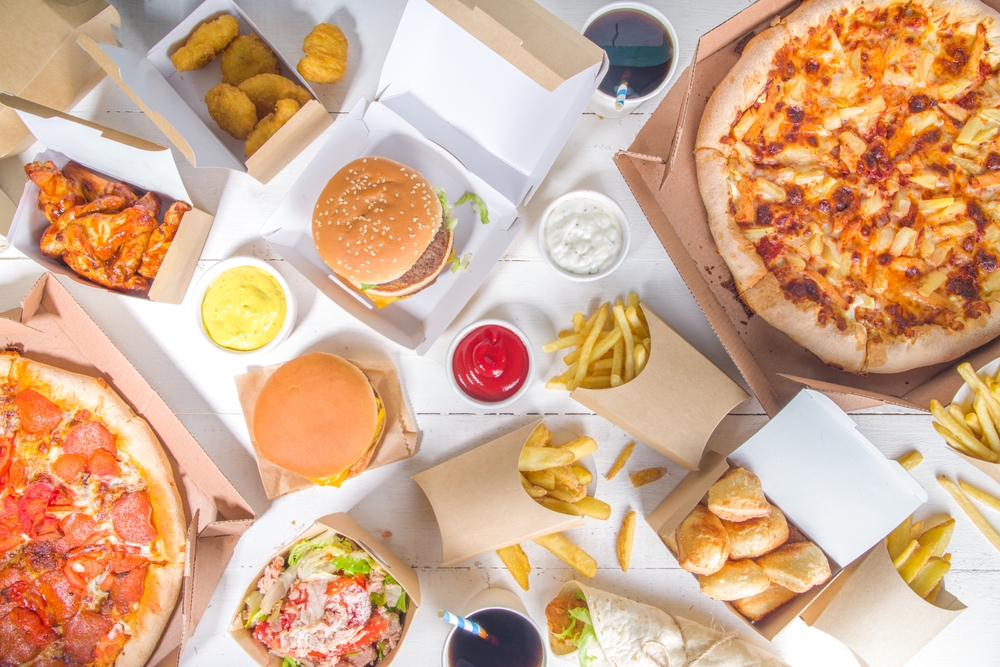
A harmful group of ‘forever chemicals’ commonly present in convenience food packaging is in the crosshairs of regulators, triggering a rush to seek alternatives
Ask a foodservice company where their major packaging pain point is currently and top of the list is likely to be extended producer responsibility (EPR). The ongoing conflict in the Middle East, and its impact on supply chains and input costs, has this month led to calls for the recently introduced levy on packaging to be reviewed as food companies struggle to keep a lid on price rises.
But ask a foodservice company what tomorrow’s procurement headache is for packaging and another acronym will be thrown up: PFAS. And tomorrow can often arrive sooner than you expect.
“Regulatory pressure is increasing, particularly in Europe, where proposals under the packaging and packaging waste regulation (PPWR) and wider chemicals legislation could significantly limit or phase out the use of PFAS in food contact materials,” noted the Foodservice Packaging Association in a recent edition of its weekly newsletter. “Businesses are being asked to move quickly.”
Lobbying in Brussels has intensified as regulations move towards restricting these ‘forever chemicals’ later this summer, which will have implications for material selection, product design and supply chain planning in the months and years ahead.
With the UK Government actively engaged in discussions to align more closely with the EU, there is a likelihood that rules on the continent will bleed across the channel. It is not just food but food packaging that seems to be the subject of discussions between the UK and EU, notes Kirsty Poots from law firm DWF. “It would be interesting to see if this goes as far as alignment on the PFAS restrictions under PPWR,” she adds.
Defra this year published a PFAS plan as it looks to further restrict intentional use of the chemicals, while both the Food Standards Agency and Health & Safety Executive have identified PFAS in food contact materials as a priority issue. “The smart companies are the ones who have been working on this for the past decade to phase these chemicals out,” Jane Muncke, chief scientific officer at the Food Packaging Forum (FPF), tells Footprint.
So, as regulations and bans loom large, are foodservice companies prepared for their next packaging pain point?
The problem with PFAS
Per- and polyfluoroalkyl substances are a group of more than 10,000 industrial substances that are used in everything from clothing and pesticides to firefighting foams and packaging. For the foodservice sector they provide crucial oil-, grease- and water-resistance properties in coatings applied to disposable packaging. Typical examples include fast-food wrappers for burgers, sandwiches and the like, as well as bakery bags, pizza boxes and compostable plates and bowls.
Widely-cited research by Scottish environmental charity Fidra from 2020 found the chemicals present in all takeaway packaging tested, as well as in supermarket packaging. Some businesses have since voluntarily been working to phase out PFAS. McDonald’s promised in 2021 to be PFAS-free in its packaging by the end of 2025, which is the same deadline set by KFC owner Yum! Brands, as well as Burger King, Tim Hortons and Popeyes to remove intentionally added PFAS from their packaging (the chemicals are so ubiquitous that their presence can be accidental too, with recycled materials a particular area of concern).
Being a front-runner is not easy, though. “The alternatives tend to be more expensive,” says Muncke, which is why “good policy helps level the playing field”.
Muncke and her team at the FPF have estimated that at least 268 PFAS could be used in food contact materials, and of the 1,222 hazardous ones at least 44 are PFAS. Some have been linked to significant health harms, including reproductive and immune issues, and some forms of cancer. So far, only 1% of all PFAS have been investigated for their health effects, but what’s been found is enough to merit playing the precautionary principle policy card, according to NGOs and experts.
“The evidence is more than conclusive – PFAS [are] a serious and enduring threat to our environment and health,” explained Lindsey Hendricks-Franco, fellow at the Ecologic Institut, based in Berlin, on social media recently. “Continuing [to bend] to the short-term bottom line of the pesticide, packaging and cookware industries is unconscionable.”
Bonds can be hard to break
The beauty of PFAS for industrial applications lies in the strength of their carbon-fluorine bond. This becomes a beastly trait when they leak into the environment, enter our food chain and spread through our water supplies. “The term ‘forever chemicals’ is a good one,” Muncke explains, because the tight bonds are extremely hard to break. Enzymatic processes are emerging that may help degrade PFAS but because they are already everywhere – in the environment, in the food chain, in us – the clean up we are facing is a bit like trying to put humpty dumpty back together again, Muncke adds.
A study by the European Commission, published in January, estimated that if the current levels of PFAS pollution in Europe continue until 2050 without regulatory action, the cost will reach approximately €440bn (£380bn) during that period. Tackling such PFAS releases at source by 2040 would save €110bn, whereas treating polluted water alone would cost more than €1trn. “Since PFAS remain in human bodies and the environment for decades, even after emissions have ceased, early action is vital to reduce long-term health and environmental costs,” the commission said.
In Switzerland, there is support for more testing and potential sales bans after the presence of PFAS above legal limits was detected in some Swiss beef cattle (one mooted solution is to ‘dilute’ the meat with beef reared in other locations). Other headlines of late have covered the presence of PFAS in milk and yoghurt – dairy products, along with meat, fish and eggs, tend to carry the highest concentrations, especially near pollution hotspots.
Recent testing of eggs from garden chickens as part of an investigation of the AGC Chemicals factory by the Environment Agency in Lancashire has shown worrying results too: some eggs were contaminated with 173 times the amount of PFAS stipulated under European Food Safety Authority guidelines for tolerable weekly intake.
A growing problem
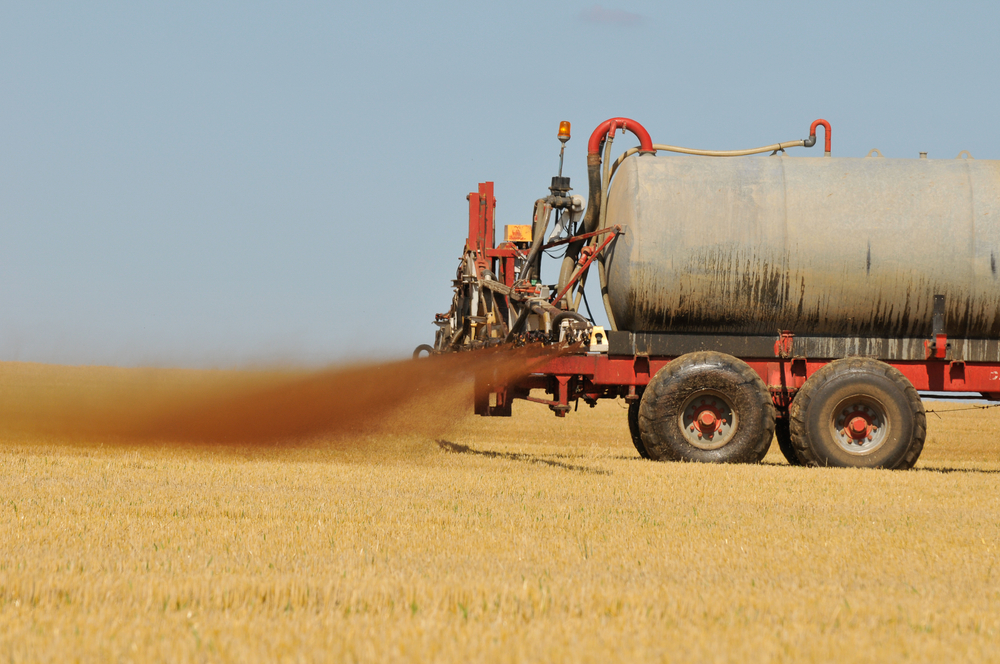
PFAS pesticides are applied across all UK agricultural crop sectors currently, according to Fidra, and sprayed on the equivalent of more than 10.6 million hectares of arable land. There are also concerns about levels of PFAS in sewage sludge, which is subsequently spread to land used to grow food. Some experts suggested farmers can be “clueless” about the presence, persistence and problems of PFAS on their land.
In December, Pesticide Action Network (PAN) Europe released an EU-wide report examining levels of TFA – a breakdown product of PFAS pesticides and F-gases, which is extremely persistent, mobile (largely due to its water solubility) and toxic to reproduction and development – in 66 foods, including breakfast cereals, bread, flour and biscuits. Levels of TFA exceeded the default maximum residue limit for reprotoxic or hormone-disrupting substances in 81.8% (54) of the samples; the highest levels were in breakfast cereals purchased in Ireland. This is a chemical “known to be toxic for reproduction”, explains Salomé Roynel, PFAS policy and campaigns officer at PAN Europe, who is among those calling for a ban on PFAS used for pesticides.
PAN’s UK arm is pushing for restrictions here too. “Given there are only 25 PFAS active substances that are currently in use, phasing them out should not be problematic as viable alternatives are already available to farmers and growers,” PAN UK wrote in its evidence to the recent inquiry into PFAS led by the Environmental Audit Committee (EAC).
The MPs on the committee last month published their findings and recommendations to ministers. “We do not need to panic, but we do need to take sensible precautions,” said Toby Perkins, EAC chair, as he called on the government to set limits on the levels and types of PFAS permitted in food, giving producers, retailers and regulators a consistent basis for protecting public health.
Regulators are also struggling to keep up with new PFAS, leading to banned substances potentially being replaced by harmful substitutes, the MPs said, as they called for an ‘essential-use approach’ to regulating PFAS, prioritising rapid restrictions on the use of PFAS in non-essential applications, including pesticides and packaging.
Toxic alternatives
There is a risk that in the drive to reduce our reliance on single-use plastic, we are simply swapping a visible pollutant for a longer-lasting, more toxic chemical alternative. This was the warning issued by Fidra in 2022 as it produced one of a number of studies to have found high levels of PFAS in moulded fibre compostable food packaging. This is the type of ‘sustainable’ packaging that has rapidly been replacing fossil-fuel-based plastics across high-street food chains. But foodservice companies and their customers have largely been left in the dark about the use of chemicals in the packaging.
“Current understanding of PFAS entry points into UK supply chains remains inadequate, particularly regarding food packaging materials,” noted novel packaging supplier Notpla in its submission to the EAC inquiry. “The barrier properties necessary for food contact applications typically rely on undisclosed chemical treatments, including PFAS.”
This is further complicated by the multistep manufacturing processes typical in packaging production. Paper and board, which has increasingly replaced single-use plastic, may be treated with PFAS during initial production, then converted into specific packaging forms by a different company, printed by a third entity, and filled by yet another before reaching consumers, Notpla explained, adding: “Each transition in this fragmented supply chain creates potential information loss regarding chemical composition.”
Notpla is among those showing strong support for a complete ban on all PFAS in food contact materials. Like others, the seaweed packaging specialist warns the UK could become a dumping ground for PFAS-laden packaging once the EU’s ban comes into force on August 12th.
PFAS postponement plea
That is just three months away and the pressure is beginning to tell. Two weeks ago, CEOs at over 100 companies joined together to write to EU leaders and ask for implementation of the PPWR, including restrictions on PFAS, to be delayed. “While the commission has now outlined a recommended, non-binding enforcement approach in its recent guidance and FAQ, unfortunately there remains no harmonised or legally binding EU level methodology for PFAS testing in practice at union level to demonstrate conformity as required by the regulation,” the letter, from brands including Carlsberg, Coca-Cola Europacific Partners, Heineken, McDonald’s and Restaurant Brands International, owner of Burger King and Popeyes, read. On PFAS, they warned how testing remains an issue with no harmonised approach available across member states.
For now, the deadline in Brussels remains in place. In Westminster, ministers will be watching developments closely as they look to add some flesh to the bare bones of the PFAS plan they published in January. The proposals include “tests on food packaging, like microwave popcorn bags and pizza boxes, to trace the presence of PFAS and support future regulatory action”, said Defra. But while more research is necessary, there is no hiding from the need for regulation and restrictions right now.
The Foodservice Packaging Association (FPA) is tracking developments closely. “[…] it’s still relatively early in terms of both the UK policy position and the evidence base for food contact materials [so] our focus is on ensuring any future regulation is proportionate, evidence-led and workable for businesses across the supply chain,” executive chair Mike Revell tells Footprint.
The FPA suggests that for packaging manufacturers and users this is a “complex challenge”, with the transition away from PFAS raising questions in relation to material performance, product functionality and the availability of suitable alternatives. In April, the association said “viable alternatives, while emerging, are not yet universally available or cost-neutral”.
However, the latest update from Restaurant Brands International shows what is possible: “As of 2024, Tim Hortons, Burger King, Popeyes and Firehouse Subs have eliminated intentionally added PFAS from approximately 97% of approved guest packaging volumes globally. For these items, we continue our work to transition to alternative materials that achieve the same functional characteristics without the need for added PFAS.”
McDonald’s doesn’t appear to have said whether its PFAS-free target was met by January 1st. Yum! did not mention its PFAS-free packaging target in its most recent sustainability report. Relying on self-regulation, as the EAC suggested, is risky.
This is the final push before the PFAS ban, so it’s no surprise to hear that businesses have concerns, in particular around costs. But the price of sticking with these chemicals will surely bring more pain, tomorrow and forever.
The Foodservice Packaging Association (FPA) is tracking developments closely. “[…] it’s still relatively early in terms of both the UK policy position and the evidence base for food contact materials [so] our focus is on ensuring any future regulation is proportionate, evidence-led and workable for businesses across the supply chain,” executive chair Mike Revell tells Footprint.
The FPA suggests that for packaging manufacturers and users this is a “complex challenge”, with the transition away from PFAS raising questions in relation to material performance, product functionality and the availability of suitable alternatives. In April, the association said “viable alternatives, while emerging, are not yet universally available or cost-neutral”.
However, the latest update from Restaurant Brands International shows what is possible: “As of 2024, Tim Hortons, Burger King, Popeyes and Firehouse Subs have eliminated intentionally added PFAS from approximately 97% of approved guest packaging volumes globally. For these items, we continue our work to transition to alternative materials that achieve the same functional characteristics without the need for added PFAS.”
McDonald’s doesn’t appear to have said whether its PFAS-free target was met by January 1st. Yum! did not mention its PFAS-free packaging target in its most recent sustainability report. Relying on self-regulation, as the EAC suggested, is risky.
This is the final push before the PFAS ban, so it’s no surprise to hear that businesses have concerns, in particular around costs. But the price of sticking with these chemicals will surely bring more pain, tomorrow and forever.
Further reading

The UK Government should set limits on the levels and types of PFAS permitted in food, giving producers, retailers and regulators a consistent basis for protecting public health

Back to the future on food regulations
Plans for the UK to realign with EU food laws will reduce import costs but leave a raft of unanswered questions including over the future for cell-cultivated meat