Sending out an SOS (save our slaughter)
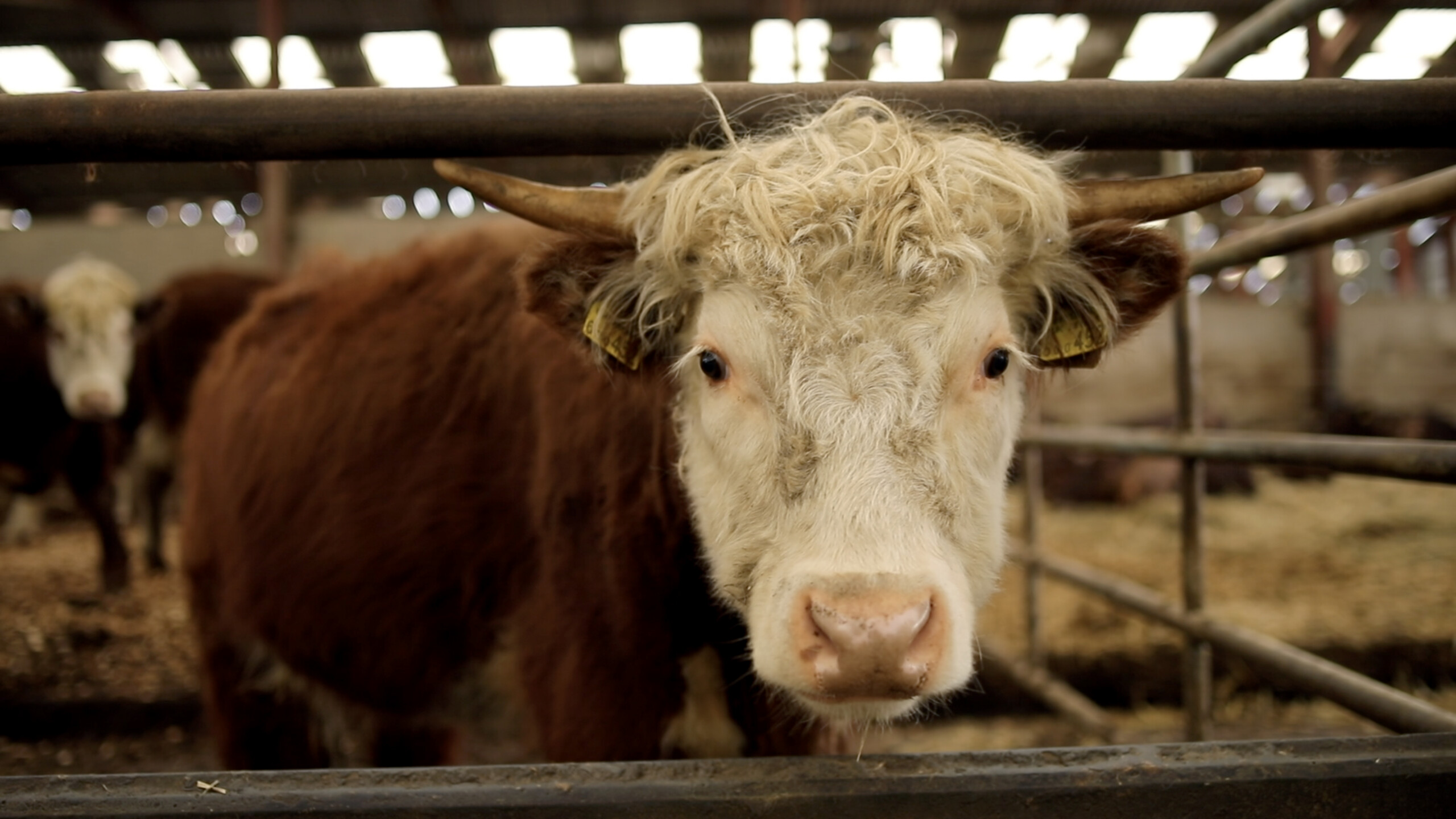
A group including farmers, businesses and animal welfare groups is calling on the UK Government to step in and save small local abattoirs from going out of business.
Britain has lost more than nine in ten of its abattoirs since the 1970s, leaving farmers without vital local slaughter facilities and putting British food production, rural businesses and animal welfare increasingly at risk, according to a letter to the prime minister, Andy Burnham, signed by a coalition of over 150 people and organisations.
The warning represents the latest attempt to drive home the need for the UK to retain its critical food infrastructure in the face of a range of threats to supply chains. Earlier this month, over 180 experts warned the UK is complacent and unprepared for food emergencies linked to extreme weather, geopolitical volatility and other structural weaknesses.
UK abattoir numbers have fallen from around 2,500 during the 1970s to just 200 today. The National Farmers Union, Soil Association and Compassion in World Farming are among the organisations urging ministers to recognise local slaughter capacity as essential food and economic infrastructure and take urgent action to secure a sustainable network across the UK. The letter, which was coordinated by the Sustainable Food Trust and the All-Party Parliamentary Group for Animal Welfare, is also signed by a number of farmers, abattoirs and businesses, including those in the hospitality sector.
The letter describes how local abattoirs underpin networks of farmers, butchers, farm shops, hospitality businesses, food manufacturers, markets and other small and medium-sized enterprises. “By providing the essential services of private kill, cutting, packing and value adding that many large abattoirs do not provide, local abattoirs allow livestock produced in a region to be processed and sold locally, retaining more of its economic value,” it states.
The coalition notes how this route to market is especially vital to the viability of many smaller and mixed livestock farms, including those keeping native breeds and supporting biodiversity through nature-friendly and conservation grazing practices.
The policy consultant, Dolly Van Tulleken, noted on social media how many of the farms and farmers worst affected by abattoir closures “are those producing some of the best meat in the country including high quality, high welfare, organic, regenerative and rare breed meat”. She joined a group of public figures, academics and other professionals, including the chef Hugh Fearnley-Whittingstall and the author Sarah Langford, in signing the letter.
The consequences of abattoir closures are already being felt by farmers, according to the letter. A 2025 survey of 850 farmers and land managers found that two-thirds had experienced difficulty accessing suitable abattoir services, while one-third had seen an abattoir they used close. If their current abattoir closed, 43% said they would no longer be able to sell meat locally and almost three in ten said they might have to close their meat business altogether. Nearly six in ten said their business would not be profitable without direct or local selling.
As well as recognising local slaughter capacity as essential infrastructure, the coalition is calling for an urgent review of regulation and charging for abattoirs, and for the government to make available targeted funding that allows local areas to identify gaps and develop investable proposals.


Small Bites
Immediate action needed to bring 1.5°C back in reach
Urgent, deep cuts to global greenhouse emissions are needed to return the average temperature rise to 1.5°C above pre-industrial levels by the end of the century. With the near-term goal of reaching 1.5°C now out of reach, experts are modelling scenarios to return the world to the 1.5°C target by 2100. A new report by the United Nations Environment Programme (UNEP) modelled a ‘lowest possible’ 1.5°C overshoot scenario, in which peak warming by around the middle of the century is limited to 1.7-1.8°C and global temperature rise is returned to, or below, 1.5°C by 2100, with about a 50% chance. Deep, near-term cuts in emissions are needed for this to happen, however the report found that if current policies continue, warming could reach 2.8°C within this century and increase thereafter. If all nationally determined contributions (NDCs) are delivered and similar efforts continue, warming will be limited to 2.6°C. The report comes in the same week the UK Government confirmed its decision to approve a new licence for the Jackdaw gas field in the North Sea. Prime minister Andy Burnham said the “pragmatic” decision would protect jobs and keep homes warm this winter, and was consistent with achieving net-zero by 2050. Environmental campaigners, however, criticised the move. Kate Norgrove, chief impact officer at WWF, said the decision undermined the UK’s climate leadership and was “out of step with public opinion on taking action on climate change”.
Nutrient density research shows promising results
Data from the US has shown encouraging links between the way in which food is grown and its nutritional content. The Regenerative Organic Alliance (ROA) and Edacious have published results for the nutrient density of 46 Regenerative Organic Certified (ROC) products marketed by 13 brands, including meat, grains, beans and legumes. They found a number of favourable patterns versus the USDA’s reference values for the same products, albeit with the caveat that these are early findings from a limited number of samples per product, and do not constitute a scientific study. Omega-6 to Omega-3 ratios showed up consistently lower in ROC meat products than conventionally raised meat, where a lower ratio is generally considered more favourable. Legumes were found to be high in dietary fibre and phosphorus content. Across all 10 legumes measured, every ROC variety showed higher phosphorus content than its USDA counterpart, ranging from 16% to 584% more. Several ROC legumes also qualified as a rich source of selenium, whereas the USDA reference shows none detected at all. Selenium in a plant tracks closely with how much selenium is available in the soil, making it a measurable link between where and how a crop is grown and the food’s nutritional content. Quinoa varieties, meanwhile, came in higher on potassium, phosphorus, and vitamin E than USDA reference data. “When we launched this partnership, the goal was to back what farmers have long believed with real, measurable data,” said Christopher Gergen, CEO of the Regenerative Organic Alliance. “This report is a starting point, and we’ll keep building the evidence as testing grows.”
Danone offers funding for regenerative oat growers
Food and beverage giant Danone has said it will help UK farmers growing oats for its Alpro brand adopt regenerative farming practices through a new partnership with Landscape Enterprise Networks (LENs). Last year, Danone pledged to source 100% British oats for its core Alpro oat drinks; now, new funding will support farmers across more than 2,500 hectares of land to implement measures like reduced cultivation systems, planting cover crops to keep soil covered during the winter and straw chopping to add organic matter to soil after harvest. Danone said adoption of the regenerative practices would reduce greenhouse gas emissions, improve soil health, enhance biodiversity, increase water resilience and reduce climate-related risks. LENs brings together farmers, businesses and environmental experts within a co-funding model to deliver measurable environmental improvements that support farm resilience. “The challenges facing farming and the environment cannot be solved alone. They require coordinated action, backed by evidence,and a shared commitment to maintaining healthy, resilient landscapes,” said Hannah Cornick, sustainability and social impact director for Danone North Europe.
Chef’s Special
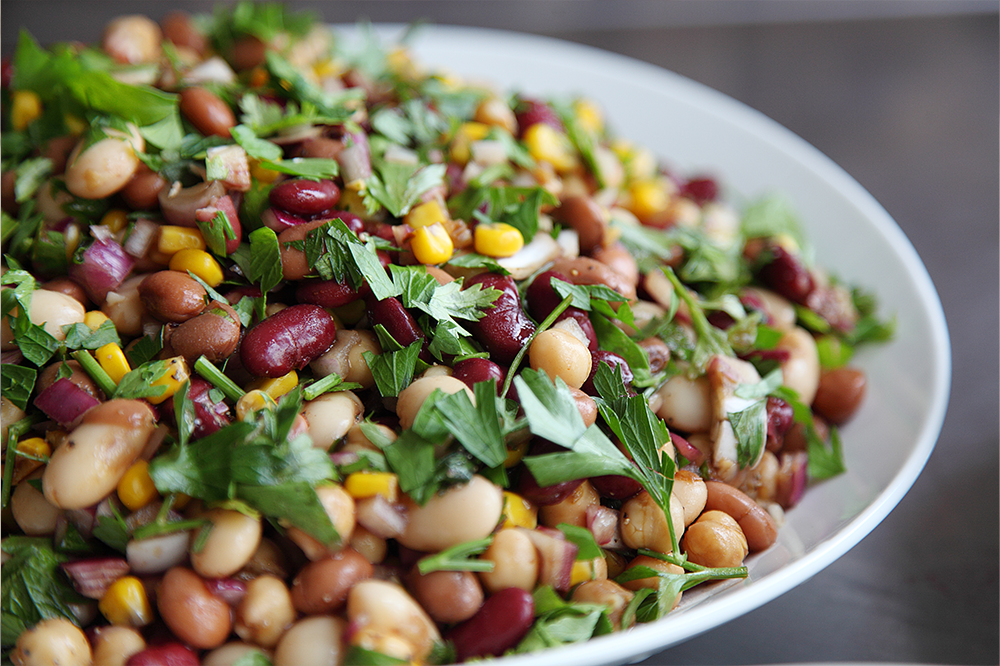
The habitual serving of animal protein in the UK Parliament’s food outlets is coming at a big cost to the public purse, according to new research. Freedom of information data has found more than 92% of protein-rich food procured across the Palace of Westminster – which includes both the Houses of Commons and Lords – comes from animal sources, including meat and fish, with less than 8% supplied by whole food plant proteins and minimally processed proteins such as beans, tofu and tempeh. Economic analysis of the data commissioned by the charity Humane World for Animals UK found Parliament could save an estimated £216,000 a year in ingredient costs by replacing just 30% of the meat, fish and shellfish it buys with plant proteins. The change would put the Palace of Westminster on course to act in accordance with the Climate Change Committee recommendation for a 25% reduction in total meat consumption by 2040. The campaigners noted how Parliament is already under pressure to rein in catering costs with the House of Commons alone having recorded a £7.4m catering loss in 2024-25. “We know that there’s already appetite among many MPs to have more plants on plates; this is a clear opportunity for the government to drive that shift across central government catering and save money, cut greenhouse gases and spare animals from suffering,” said Claire Bass from Humane World for Animals UK.
Last Orders
The Scotch whisky industry has received a boost in its ambition to achieve net-zero after new research found stronger fermentation could cut distillery emissions by up to 16%. Researchers at Heriot-Watt University found that producing a stronger alcoholic liquid before distillation could make Scotch malt whisky production more efficient by cutting energy use, carbon emissions and volume of liquid residues. The study is the first to measure how increasing wash strength from the industry standard of around 8% alcohol by volume (ABV) to between 10% and 14% ABV could affect the efficiency and environmental impact of Scotch malt whisky production. The wash is the liquid created after the fermentation of a sweet cereal-based liquid known as wort. Yeast is added to the cooled wort, converting the sugars into alcohol and producing a beer-like liquid called wash. The wash is then transferred to the wash still, where the first stage of distillation concentrates the alcohol and begins refining the flavours that will ultimately define the whisky. The researchers modelled that increasing wash strength to 14% ABV could reduce energy use and carbon emissions by around 16% for every litre of pure alcohol produced. “Existing distilleries may be able to increase output without expanding fermentation capacity, while new or growing distilleries could produce the same amount of whisky using smaller equipment and lower processing volumes,” said the study’s lead researcher Shiwen Zhuang.
Main image: Sustainable Food Trust